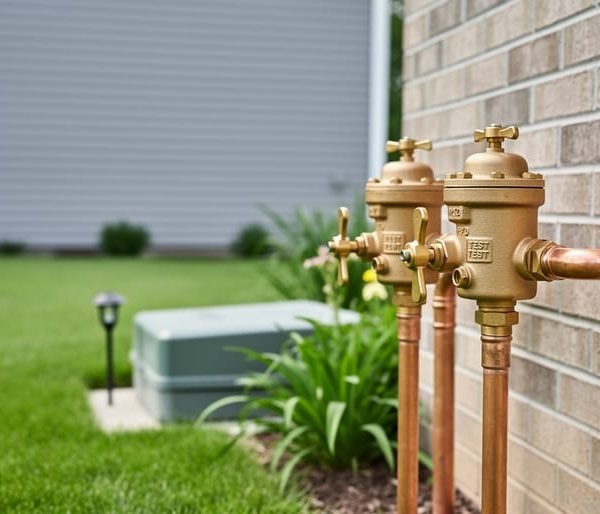
Look for the ANSI/NSF Standard 61 certification mark on any water filter, faucet, or plumbing component before purchasing—this designation confirms the product won’t leach harmful chemicals like lead, arsenic, or volatile organic compounds into your drinking water. Verify certification authenticity by visiting the NSF International database online and entering the manufacturer’s claim number, protecting yourself from counterfeit products that falsely display certification logos. Understand that this standard specifically tests whether materials and components that contact drinking water meet strict safety thresholds established by toxicologists and public health officials, making it fundamentally different from performance certifications that measure how well a filter removes contaminants.
When you bring water into your home through pipes, store it in tanks, or treat it with filtration systems, every material that touches that water becomes a potential source of contamination. ANSI/NSF Standard 61 emerged from this critical safety concern in 1988, establishing rigorous testing protocols that simulate decades of water contact in accelerated laboratory conditions. The standard requires manufacturers to submit their products to independent testing facilities where samples undergo extraction testing in various water conditions—from highly acidic to alkaline—ensuring materials remain stable and safe across diverse household environments.
This certification matters because unregulated products can introduce contaminants even when attempting to improve water quality, creating a false sense of security while actually degrading your family’s health. Understanding Standard 61 empowers you to distinguish between marketing claims and verified safety, transforming you from a confused consumer into a confident decision-maker who protects household water quality through informed purchases backed by transparent scientific testing.

What Is NSF/ANSI Standard 61?
The Testing Process Explained
Understanding how Standard 61 testing works helps you appreciate why certified products are worth your investment. The process is thorough and designed to mirror real-world conditions in your home’s plumbing system.
When a manufacturer wants to certify a product, they submit it to an accredited testing laboratory. The testing process has two main components that work together to ensure your safety.
First comes exposure testing, which simulates what happens when water sits in contact with the product in your home. Think of it like leaving water in a pitcher overnight. Laboratory technicians fill the product with water that has specific chemistry levels representing typical household water. This water stays in contact with the product for extended periods at controlled temperatures. The goal is to see what substances, if any, leach from the materials into the water you would eventually drink.
Next, chemical analysis examines the water that has been exposed to the product. Laboratory experts use sophisticated equipment to detect even trace amounts of contaminants. They compare these results against health-based limits established by toxicology experts and public health officials. These limits represent the maximum amount of any substance that can safely appear in your drinking water without causing health concerns.
Products only earn certification when test results prove they will not add harmful levels of contaminants to your water supply. This rigorous approach gives you confidence that certified components protect rather than compromise your household water quality.
Who Enforces This Standard?
NSF International, an independent public health organization, serves as the primary body that develops and enforces ANSI/NSF Standard 61. Founded in 1944, this non-profit organization brings together manufacturers, public health professionals, and regulatory agencies to establish and maintain safety standards for products that come into contact with drinking water.
The enforcement process works through voluntary third-party certification. Manufacturers submit their water treatment products to accredited testing laboratories where each component undergoes rigorous chemical and toxicological testing. These laboratories evaluate whether materials release harmful substances into drinking water under various conditions. Products that pass receive the NSF certification mark, which you’ll often see displayed on packaging or product specifications.
NSF International regularly updates the standard to reflect new scientific research and emerging contaminants. A committee of experts continuously reviews the latest water quality studies, health data, and innovative materials used in water treatment technology. This ongoing revision process ensures the standard keeps pace with cutting-edge water innovations and evolving environmental concerns.
When you’re shopping for water filters or treatment systems, look for the NSF certification mark as your assurance that independent testing has verified the product’s safety claims.
Why Standard 61 Matters for Your Home Water System
What Contaminants Does It Protect Against?
Standard 61 specifically targets materials and components that come into direct contact with your drinking water, establishing strict limits on how much of various harmful substances can leach into the water you and your family consume daily. Understanding what these contaminants are helps you appreciate why this certification matters for your health.
The standard addresses several dozen potentially dangerous substances, with particular attention to heavy metals. Lead stands among the most critical concerns, as even tiny amounts can cause developmental problems in children and neurological damage in adults. Mercury, another regulated heavy metal, can harm the nervous system and kidneys. Arsenic, a known carcinogen, is limited because long-term exposure increases cancer risk and can damage skin, cardiovascular, and immune systems.
Beyond heavy metals, Standard 61 regulates organic chemicals that might migrate from plastic components, rubber seals, or epoxy linings in your water treatment system. These include compounds like benzene and toluene, which can affect your liver, kidneys, and central nervous system with prolonged exposure. Certain phthalates used in plastics are also restricted due to concerns about hormone disruption.
The standard even addresses how antimicrobial treatments in filters or other components might leach into water, ensuring these additives don’t create new health risks while solving bacteria problems.
By limiting these contaminants to scientifically determined safe levels, Standard 61 certification ensures that the products designed to improve your water quality don’t inadvertently introduce new hazards into your household drinking supply.
The Hidden Danger in Non-Certified Products
When you choose water treatment products without NSF/ANSI 61 certification, you’re essentially conducting an uncontrolled chemistry experiment with your family’s drinking water. Non-certified products may contain materials that leach harmful substances like lead, cadmium, or toxic plastics into your water supply over time.
The consequences can be surprisingly serious. Studies have documented cases where uncertified filters and treatment components released more contaminants than they removed, defeating their entire purpose. Some homeowners discovered only after months of use that their bargain-priced water system was actually degrading their water quality rather than improving it.
The risk extends beyond immediate health concerns. Non-certified products often fail prematurely, leading to costly replacements and potential property damage from leaks or malfunctions. Without adherence to recognized water safety standards, manufacturers face no accountability for long-term performance or safety.
Consider this perspective: you wouldn’t install electrical components without proper safety ratings, so why take chances with the water your family drinks daily? The few extra dollars spent on certified products provide invaluable peace of mind and genuine protection.
Which Water Treatment Products Need Standard 61 Certification?
Whole House Filtration Systems
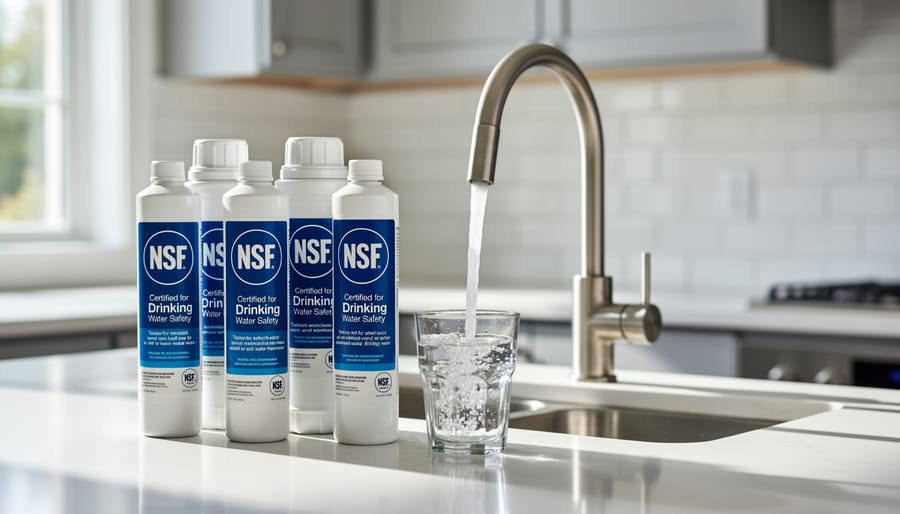
When choosing a whole house filtration system, every component that touches your water should meet NSF/ANSI Standard 61. This certification covers the complete system—from inlet and outlet pipes to filter housings and the filter media itself. The standard ensures these parts don’t leach harmful chemicals like lead, BPA, or other contaminants into your treated water.
Filter housings, typically made from plastic or stainless steel, undergo rigorous testing to verify they remain stable under varying water conditions and temperatures. The filter media—whether activated carbon, sediment filters, or advanced catalytic materials—must also pass strict leaching tests. This is especially important for eco-conscious homeowners, as some innovative filter media use sustainable materials that still need to meet safety benchmarks.
Before purchasing, verify that manufacturers provide documentation showing each system component is NSF 61 certified. Some brands may only certify certain parts while leaving others untested, potentially compromising your water quality. Look for systems with complete certification to ensure you’re getting truly safe, filtered water throughout your entire home.
Water Softeners and Treatment Units
Standard 61 certification extends beyond basic pipes and faucets to cover complete water treatment systems that you might install in your home. Water softeners, which remove hardness minerals like calcium and magnesium, must meet Standard 61 requirements to ensure the salt and resin materials don’t leach harmful substances into your drinking water. Reverse osmosis systems, increasingly popular for removing contaminants like lead and fluoride, also fall under this certification. The standard evaluates every component that touches your water, from filter membranes to storage tanks. Other treatment devices including UV purifiers, carbon filters, and whole-house filtration systems require this certification to guarantee they’re not introducing new contaminants while removing existing ones. When shopping for any water treatment equipment, look for the Standard 61 mark on the complete system, not just individual parts. This comprehensive approach protects your family’s health while supporting your eco-friendly lifestyle goals through safer, more sustainable home water management.
Plumbing Components and Dispensers
NSF/ANSI 61 certification extends beyond filters to cover the plumbing components that deliver water throughout your home. Faucets, pipes, pipe fittings, valves, and water dispensers all require certification since they directly contact your drinking water. These products must pass rigorous leaching tests to ensure materials like lead, copper, and plastic compounds don’t contaminate your water supply.
When shopping for kitchen or bathroom fixtures, look for NSF 61 markings on faucets and backflow prevention devices. This certification is especially important for brass fittings, which historically contained lead. Modern certified products use lead-free alloys that protect your family’s health. For eco-conscious homeowners, choosing NSF 61-certified plumbing components represents a simple yet powerful step toward safer, cleaner water at every tap in your home.
How to Verify NSF/ANSI Standard 61 Compliance
Reading Product Labels and Certifications
When shopping for water treatment products, knowing how to read labels can protect your family’s health. Start by looking for the official NSF certification mark, which typically appears as a circular logo displaying “NSF” along with the specific standard number—in this case, “NSF/ANSI 61.” Legitimate products will include a listing number or file number that you can verify on the NSF International website’s public database.
Be cautious of vague claims like “meets NSF standards” without the actual certification mark. Authentic certifications will clearly state which components are certified—whether it’s the entire system, specific parts, or particular materials. Some manufacturers only certify certain components while implying whole-system approval, so read carefully.
Check the label for details about what contaminants the product addresses and its maximum service capacity. Reputable manufacturers provide transparent information about testing and certification scope. If you’re uncertain about a product’s legitimacy, visit NSF.org and search their certified products database using the manufacturer’s name or listing number. This simple verification step ensures you’re investing in genuinely safe, certified products that protect your drinking water from harmful materials rather than just clever marketing claims.
Using the NSF Database
Verifying NSF Standard 61 certification is straightforward using NSF International’s free online database. Start by visiting the NSF website and navigating to their product and service listings section. You’ll find a search tool where you can enter specific information about the water treatment product you’re considering.
To search effectively, have your product details ready—this includes the manufacturer’s name, model number, or brand name. The database allows you to search by any of these criteria. Once you enter your information, the system will display whether the product holds NSF Standard 61 certification and which specific contaminants it’s certified to reduce.
Here’s a helpful tip: when reviewing results, look for the certification details page, which shows exactly what the product has been tested for. A product might be certified under Standard 61 for lead reduction but not for other contaminants, so checking these specifics ensures you’re getting what you need.
If you can’t find a product in the database, it doesn’t necessarily mean it’s unsafe—but it does mean the manufacturer hasn’t completed NSF’s independent testing process. When shopping for water filters or treatment systems, bookmark the database on your phone or computer so you can quickly verify claims while browsing products online or in stores.
Common Misconceptions About Standard 61
“Lead-Free” Doesn’t Mean Zero Lead
If you’re shopping for water fixtures labeled “lead-free,” here’s something important to understand: this term doesn’t actually mean zero lead content. Under ANSI NSF Standard 61, products certified as lead-free can contain up to 0.25% lead by weighted average in wetted surfaces—the parts that touch your drinking water. This might sound concerning at first, but this threshold was established based on extensive scientific research to ensure minimal lead leaching into your water supply.
The standard focuses on what really matters for your health: how much lead actually transfers into your drinking water, not just the total amount in the product materials. Components must pass rigorous testing to demonstrate they won’t release harmful levels of lead during normal use. For context, older plumbing systems installed before regulations tightened often contained significantly higher lead percentages, sometimes exceeding 8%. Today’s certified lead-free fixtures represent a major improvement in protecting your family’s water quality and reflect our growing understanding of safe drinking water standards.
Certification vs. Testing
When shopping for water treatment products, you’ll notice some claim to be “tested to” Standard 61 while others state “certified to” Standard 61. This distinction is crucial for your safety. Products tested to the standard have undergone laboratory analysis but haven’t completed the rigorous third-party verification process. They lack independent oversight and may not meet all requirements consistently.
Certified products have passed comprehensive testing by accredited organizations like NSF International or IAPMO, including ongoing factory inspections and regular retesting. The manufacturer can display the official certification mark, providing accountability you can trust. Think of it like the difference between a driver practicing in a parking lot versus actually passing their licensing exam with a state examiner present.
For maximum protection, always look for products displaying the actual NSF certification mark, not just vague claims about testing. This ensures an independent expert has verified the product’s safety, giving you peace of mind about your family’s drinking water quality.
Standard 61 and Environmental Sustainability
Choosing water treatment systems certified to ANSI NSF Standard 61 isn’t just about protecting your family’s health—it’s a powerful step toward more sustainable living. When you invest in a certified home filtration system, you’re making an environmental choice that ripples far beyond your kitchen sink.
The most immediate sustainability benefit is reducing reliance on bottled water. Americans purchase approximately 50 billion plastic water bottles annually, with only about 23% being recycled. The rest end up in landfills or oceans, where they take hundreds of years to decompose. By installing a Standard 61-certified filtration system, you can confidently drink tap water knowing it’s safe from harmful chemical leaching, eliminating the need for single-use plastic bottles. A typical family of four can prevent roughly 1,460 bottles from entering the waste stream each year.
Beyond plastic reduction, certified systems support responsible water resource management. These products are designed to treat water efficiently without introducing contaminants that could eventually return to our watersheds. Unlike unregulated alternatives that might leach heavy metals or chemicals back into drainage systems, Standard 61-compliant components help maintain cleaner water cycles in your community.
The certification process itself promotes sustainable manufacturing practices. Companies pursuing Standard 61 compliance must evaluate their materials and production methods, often leading to innovations that reduce toxic substances throughout the supply chain. This means cleaner factories, safer workers, and less environmental pollution from manufacturing.
For eco-conscious homeowners, Standard 61 certification provides peace of mind that your water treatment choice aligns with your values. You’re not choosing between safety and sustainability—certified systems deliver both. By selecting products that meet this rigorous standard, you’re voting with your wallet for a future where clean water access doesn’t come at the planet’s expense.

Making Smart Purchasing Decisions
When shopping for water treatment products for your home water system, knowing what questions to ask can protect both your health and your wallet. Start by directly asking retailers whether their products are certified to ANSI/NSF Standard 61. Don’t accept vague answers like “meets industry standards” or “similar to NSF certified.” Request the specific NSF certification number and verify it independently on the NSF website’s public database.
Watch for red flags that suggest a product may not meet safety standards. Be cautious of retailers who can’t provide certification documentation, brands with no verifiable third-party testing, or deals that seem too good to be true. Products claiming to be “NSF tested” without actual certification are particularly concerning, as testing alone doesn’t guarantee compliance. Similarly, avoid systems marketed with exaggerated health claims or pseudo-scientific language that can’t be substantiated.
Price shouldn’t be your only consideration. While NSF 61-certified products may cost slightly more upfront, they provide verified assurance that components won’t leach harmful contaminants into your drinking water. This certification represents ongoing testing and quality control that cheaper alternatives often skip. Consider the long-term value of knowing your water treatment system is safe rather than gambling on an unverified product.
Ask retailers about the specific contaminants their systems address and request documentation proving these claims. Inquire about replacement filter certifications too, since filters must also meet ANSI/NSF standards to maintain your system’s safety integrity. Request information about the manufacturer’s reputation and how long they’ve been producing certified products.
Remember that certification covers specific product models and configurations. If you modify or combine components from different manufacturers, you may void the certification. Stick with complete systems or compatible certified components to ensure continued safety compliance. Making informed purchasing decisions today protects your family’s water quality for years to come.
Understanding ANSI NSF Standard 61 is more than just checking a box when shopping for water treatment products—it’s about protecting your family’s health and making informed decisions that matter. This certification ensures that the products touching your drinking water won’t introduce harmful contaminants, giving you genuine peace of mind every time you fill a glass from your tap. Before making any purchase, take a moment to verify certifications through the NSF website or look for the official mark on product packaging. Don’t hesitate to ask manufacturers for documentation if you have questions.
As a homeowner committed to creating a healthier living environment, you now have the knowledge to evaluate water treatment systems confidently. The landscape of water safety continues to evolve, with innovative technologies and stricter testing protocols emerging to address new challenges. By choosing Standard 61 certified products today, you’re not only safeguarding your household’s water quality but also supporting the advancement of safer, more sustainable water treatment solutions for everyone. Your informed choice today contributes to a future where clean, safe drinking water is accessible and trustworthy for all families.