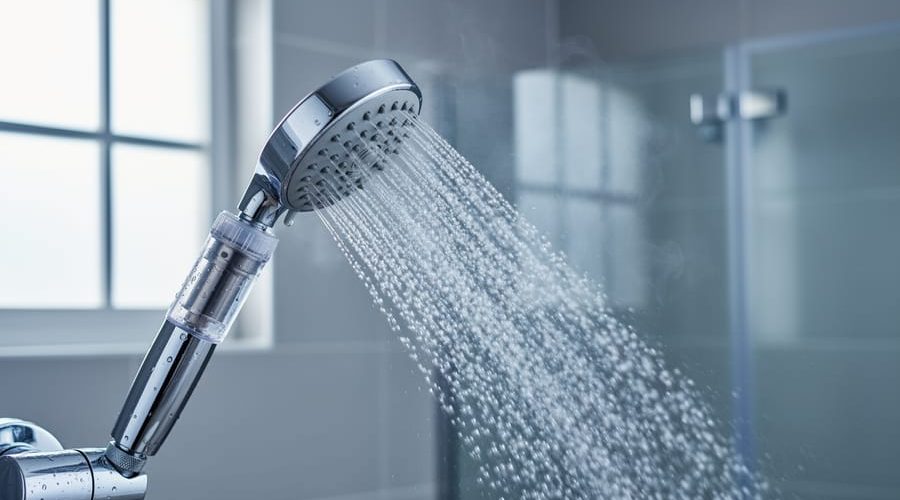
Verify your shower filter actually removes chlorine and improves water quality by looking for NSF/ANSI Standard 177 certification—the only independent benchmark that guarantees a filtration system performs as advertised. Unlike general water safety standards that focus on material safety, Standard 177 specifically tests whether shower filters reduce free chlorine, chloramines, and other contaminants that irritate skin, damage hair, and create potentially harmful vapors you inhale during hot showers.
Check for the NSF mark directly on product packaging or search the NSF database online using the manufacturer’s name and model number to confirm legitimate certification—counterfeit claims are surprisingly common in the water treatment industry. Understand that Standard 177 certification requires filters to reduce chlorine by at least 50% over their rated capacity, typically 10,000 gallons or six months, ensuring consistent performance throughout the filter’s lifespan rather than just initial effectiveness.
Recognize that this certification matters because chlorine exposure through shower steam can exceed what you’d absorb from drinking unfiltered tap water, making your daily routine an unexpected source of chemical contact that affects respiratory health and skin conditions.
What Is NSF/ANSI Standard 177?
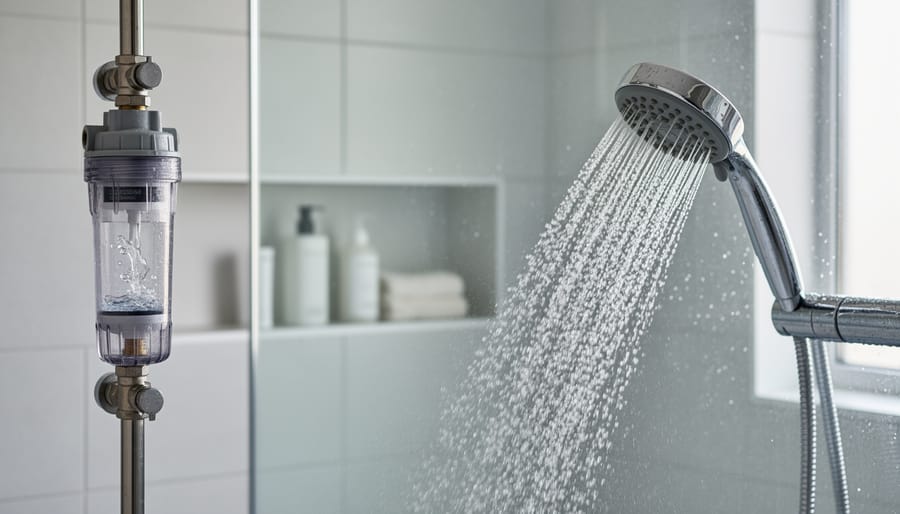
The Basics: Shower Filtration Components
NSF/ANSI Standard 177 is specifically designed for shower filtration systems, focusing on the unique challenges of treating water at the point where it reaches your body. Unlike drinking water filters, shower filters must address contaminants that can affect you through skin absorption and inhalation of steam during your daily routine.
This certification standard evaluates two main components: the structural integrity of the filtration device itself and its ability to reduce specific contaminants. The primary target is free chlorine, that chemical added to municipal water supplies for disinfection. While chlorine keeps tap water safe from bacteria, it can dry out your skin and hair, and when heated in your shower, it converts to chloroform vapor that you breathe in.
Standard 177 requires shower filters to reduce chlorine levels by at least 50% throughout their rated capacity. The certification also verifies that the filter housing won’t crack or leak under normal water pressure and temperature conditions. Additionally, certified products must clearly state their chlorine reduction performance and specify when filter cartridges need replacement, ensuring you maintain consistent protection for your household’s wellness and comfort.
How This Standard Differs from Other NSF Certifications
NSF/ANSI Standard 177 occupies a specific niche in the water treatment certification landscape. While NSF/ANSI Standard 61 ensures materials don’t leach harmful contaminants into drinking water, Standard 177 focuses exclusively on shower filtration performance. This differs from NSF/ANSI Standard 42, which addresses aesthetic issues like chlorine taste and odor in drinking water, and Standard 53, which certifies reduction of specific health-related contaminants like lead and cysts in drinking systems.
Standard 401 targets emerging contaminants such as pharmaceuticals and microplastics in drinking water, representing cutting-edge water innovations in filtration technology. Standard 177 stands apart because it specifically tests how well shower filters reduce free available chlorine and chloramine in water intended for bathing, not consumption. Understanding these distinctions helps you choose the right certified products for different areas of your home. Your shower filter needs different certification than your kitchen faucet filter because the performance requirements and exposure methods vary significantly between bathing and drinking water applications.
What Does Standard 177 Actually Test For?
Free Available Chlorine Reduction
One of the most important aspects of NSF/ANSI Standard 177 is its testing for free available chlorine reduction. This requirement ensures that shower filters can effectively remove at least 50% of chlorine from your water over the filter’s entire lifespan, not just when it’s brand new.
Why does this matter for your daily routine? Municipal water treatment facilities add chlorine to kill harmful bacteria, which is essential for safe drinking water. However, when you shower in hot water, chlorine transforms into vapor that you inhale and absorb through your skin. This exposure can strip natural oils from your hair and skin, leading to dryness, irritation, and that telltale chemical smell after showering.
During certification testing, manufacturers must demonstrate consistent chlorine removal performance across the filter’s rated capacity. Think of it as a marathon, not a sprint—the filter needs to maintain effectiveness from installation day through its recommended replacement date. This testing protocol protects you from purchasing filters that work well initially but lose effectiveness quickly, leaving you exposed to chlorine without realizing your filter has degraded. For households with sensitive skin conditions, eczema, or color-treated hair, this chlorine reduction capability can make a noticeable difference in comfort and appearance.
Structural Integrity and Safety Requirements
NSF/ANSI Standard 177 doesn’t just verify that a shower filter removes contaminants—it also ensures the device itself won’t fall apart after a few uses or introduce new safety concerns into your home. The structural integrity requirements are designed to give you peace of mind that your investment will last and perform safely over time.
Products certified under this standard must undergo rigorous durability testing that simulates real-world conditions. This includes pressure testing to ensure components can handle typical household water pressure without leaking or breaking. Manufacturers must demonstrate that their filters can withstand temperature fluctuations you’d encounter during normal shower use, from cool morning rinses to steamy evening washes.
Material safety is equally important. All components that come in contact with your water must be verified as non-toxic and free from harmful substances that could leach into your shower stream. This means the plastics, metals, and filter media used in construction meet strict purity standards, ensuring your filter improves water quality rather than compromising it.
The standard also establishes longevity expectations, requiring manufacturers to clearly state how long filters will maintain their effectiveness—typically measured in gallons or months of use. This transparency helps you understand when replacement is necessary and ensures consistent performance throughout the product’s lifespan. These durability and safety requirements work together to protect both your health and your wallet, giving certified shower filtration systems a reliability advantage over unverified alternatives.
Why Chlorine Removal in Shower Water Matters
Effects on Skin and Hair
Chlorinated water from your showerhead doesn’t just affect taste and smell—it can take a visible toll on your body’s largest organ and your hair. When chlorine comes into contact with skin during your daily shower, it strips away natural oils that form your body’s protective moisture barrier. This can leave skin feeling tight, dry, and itchy, particularly for those with sensitive skin types.
For individuals managing eczema, psoriasis, or dermatitis, chlorinated shower water often intensifies symptoms, triggering flare-ups and prolonging healing times. The chemical can irritate already compromised skin, making daily hygiene routines uncomfortable rather than refreshing.
Your hair faces similar challenges. Chlorine breaks down the proteins in hair strands, leading to brittleness, split ends, and color fading for those with dyed hair. You might notice your hair feeling rough or straw-like, losing its natural shine and manageability over time. Color-treated hair is especially vulnerable, as chlorine accelerates the fading process.
NSF/ANSI Standard 177 certified shower filters address these concerns by removing chlorine before it reaches your skin and hair, helping restore your body’s natural balance and protecting your hair’s health and appearance.
Respiratory Concerns from Chlorine Vapor
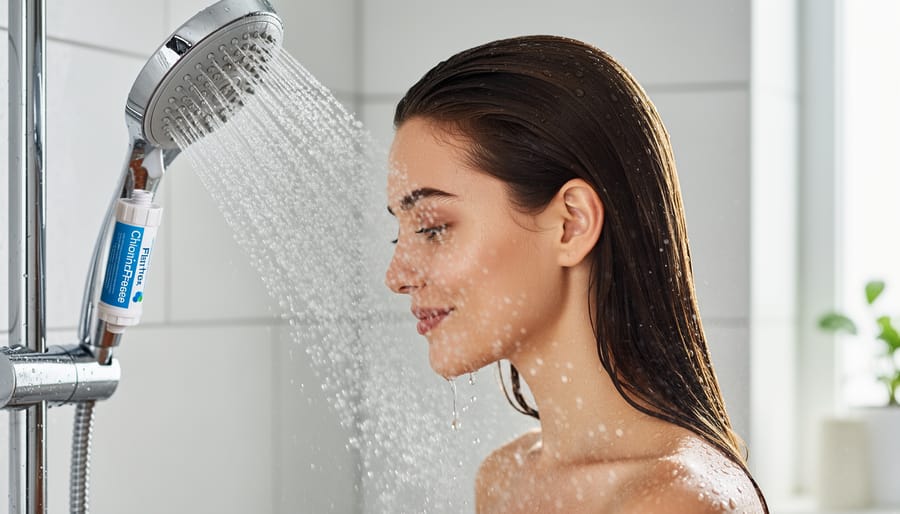
When you turn on a hot shower, the warmth doesn’t just relax your muscles—it also releases chlorine from your tap water into the air as vapor. This process, called volatilization, happens because heat causes chlorine to evaporate more readily. As you breathe in this steamy air, you’re inhaling chlorine gas, which can irritate your respiratory system.
For most people, occasional exposure causes minimal concern. However, individuals with asthma, allergies, or other respiratory sensitivities may experience coughing, wheezing, or throat irritation during and after showering. Children and elderly household members are particularly vulnerable to these effects.
The enclosed nature of most bathrooms concentrates this vapor, creating higher exposure levels than you might experience elsewhere in your home. Over time, repeated inhalation can contribute to chronic respiratory discomfort. This is precisely why NSF/ANSI Standard 177 exists—to certify shower filtration systems that effectively reduce chlorine before it has a chance to vaporize. By removing chlorine at the source, certified filters help create a healthier breathing environment during your daily routine.
How to Verify NSF/ANSI 177 Certification
Reading Certification Listings
Verifying that your shower filter genuinely meets NSF/ANSI Standard 177 is easier than you might think. NSF International maintains a free, searchable online database where you can confirm product certifications in just a few minutes.
Start by visiting the NSF Product and Service Listings website. You’ll find a simple search interface where you can enter the manufacturer’s name, product model number, or brand. For shower filters, select “Drinking Water Treatment Units” from the category dropdown menu, then choose “Shower Filters” as the subcategory.
Once you’ve entered your search criteria, the database will display certified products along with their specific certification details. Look for Standard 177 listed among the NSF certifications. The listing will also show which contaminants the filter is certified to reduce, giving you transparency about its actual capabilities.
If you can’t find a product in the database, it hasn’t been independently verified—regardless of what the packaging claims. This verification step protects you from misleading marketing and ensures you’re investing in a filter that delivers real results for your family’s water quality.
Red Flags and Marketing Claims to Question
Be cautious of products featuring phrases like “NSF-tested” or “meets NSF standards” without specific standard numbers. These vague claims don’t guarantee NSF/ANSI 177 certification. Genuine certification requires independent testing by NSF International or another accredited lab, followed by ongoing monitoring. Look for products displaying the actual NSF mark with “177” clearly indicated, not just marketing language suggesting quality or safety.
Watch for companies using misleading terms such as “NSF-approved technology” or “designed to NSF standards,” which sidestep actual certification. Some manufacturers test their products in-house and claim compliance without third-party verification. This self-certification lacks the rigorous oversight that protects you as a consumer.
Always verify certification through NSF International’s online database before purchasing. Products that truly meet NSF/ANSI 177 will proudly display their certification number and testing details. When companies obscure this information or rely on ambiguous wellness claims instead of specific certification proof, consider it a warning sign. Your family’s health deserves the transparency that genuine certification provides.
Choosing the Right Standard 177-Certified Shower Filter
Filter Capacity and Replacement Frequency
When evaluating shower filters certified under NSF/ANSI Standard 177, understanding filter capacity and replacement frequency helps you calculate the true long-term investment. Filter capacity refers to how many gallons of water the filter can effectively treat before performance declines. Most certified filters specify this in gallons, typically ranging from 10,000 to 25,000 gallons depending on the model and technology used.
To estimate your replacement timeline, calculate your household’s daily shower water usage. An average shower uses approximately 2.5 gallons per minute, so a 10-minute shower consumes 25 gallons. For a family of four taking daily showers, that’s roughly 100 gallons daily or 36,500 gallons annually. A filter rated for 20,000 gallons would need replacement approximately every six months under these conditions.
Beware that manufacturer claims must align with NSF/ANSI 177 testing conditions. Certified filters display their rated capacity based on standardized testing, giving you reliable comparison data between products. When comparing costs, divide the filter price by its gallon capacity to determine your cost per gallon treated. This reveals the most economical option over time while maintaining the chlorine reduction performance the standard guarantees. Always verify replacement indicator features, which help prevent using exhausted filters that no longer meet performance standards.
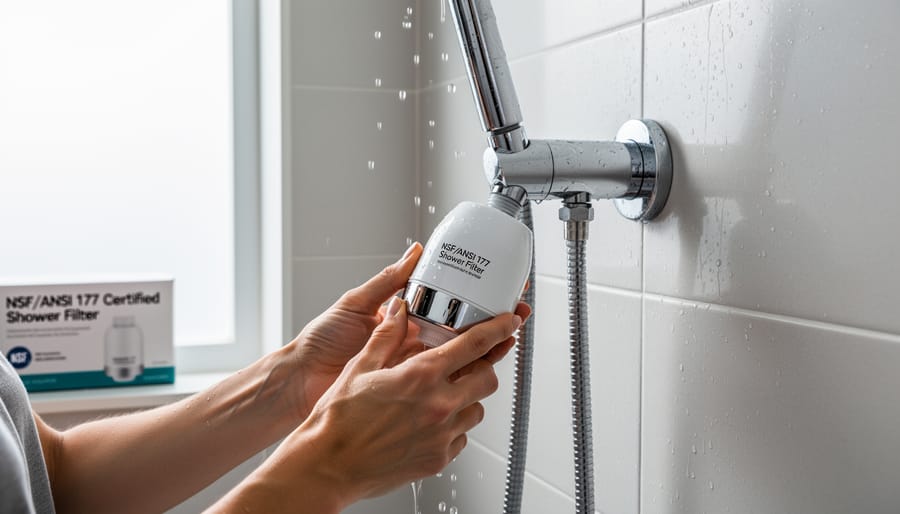
Installation and Maintenance Considerations
When choosing a shower filtration system certified to NSF/ANSI Standard 177, installation and maintenance are key considerations that affect both performance and long-term cost.
Most certified shower filters feature straightforward installation that doesn’t require professional plumbing services. They typically attach between your existing shower arm and showerhead using basic hand-tightening or simple tools. This DIY-friendly approach makes them accessible for most homeowners and renters alike. However, you’ll want to verify compatibility with your current shower setup, as some older or non-standard fixtures may require adapter fittings.
Maintenance primarily involves replacing filter cartridges at recommended intervals, which varies based on your water quality and household usage. Manufacturers typically specify cartridge lifespan in gallons filtered or months of use—commonly ranging from three to six months for average households. Setting calendar reminders helps ensure timely replacement, maintaining optimal filtration performance and preventing scale buildup that could reduce water pressure.
For households with hard water or higher contaminant levels, you may need more frequent cartridge changes. The good news is that certified systems clearly indicate when replacement is needed, either through visible indicators or noticeable changes in water flow. Replacement cartridges are widely available and designed for quick, tool-free swapping, making ongoing maintenance minimal and convenient.
The Bigger Picture: NSF Standards and Whole-Home Water Quality
While NSF/ANSI Standard 177 specifically addresses shower filtration systems, it represents just one piece of your home’s complete water quality puzzle. Think of it as part of a layered defense strategy—each NSF standard targets different water concerns at various points throughout your household.
Understanding how Standard 177 fits into the bigger picture helps you make smarter decisions about protecting your family. For instance, NSF/ANSI Standard 42 covers aesthetic issues like chlorine taste and odor in drinking water, while Standard 53 addresses health-related contaminants. Standard 61 ensures plumbing components don’t leach harmful substances into your water supply. Together, these certifications create a comprehensive framework for safe, clean water from every tap.
Your shower filtration system certified under Standard 177 works downstream from your main water supply, targeting what reaches your skin and lungs during bathing. However, it doesn’t replace the need for quality drinking water filters or address issues with your incoming water supply. Improving household water quality often requires multiple solutions working together.
Consider your local water conditions when building your treatment strategy. Homes with well water face different challenges than those on municipal systems. Similarly, older plumbing may introduce contaminants that newer systems avoid. By viewing Standard 177-certified shower filters as one component of whole-home water quality management, you can create a customized approach that addresses your family’s specific needs while supporting sustainable living practices.
Understanding NSF/ANSI Standard 177 empowers you to make informed decisions that directly impact your family’s health and well-being. This certification provides independent verification that shower filtration systems effectively reduce harmful contaminants like chlorine, heavy metals, and other pollutants from your daily water exposure. By prioritizing certified products when upgrading your home’s water treatment solutions, you’re investing in measurable protection backed by rigorous scientific testing rather than marketing claims alone.
The connection between water quality and health is undeniable—your skin and lungs absorb chemicals during every shower, making effective filtration an essential component of a healthy home environment. Standard 177 certification removes the guesswork from product selection, giving you confidence that your chosen system meets established performance benchmarks.
Now is the perfect time to evaluate your current shower filtration setup. Check existing filters for certification labels, assess when they were last replaced, and consider whether your household would benefit from upgrading to a Standard 177-certified system. Taking this proactive step demonstrates your commitment to sustainable living practices while safeguarding what matters most—your family’s long-term health. Small changes in water quality create lasting impacts on overall wellness.