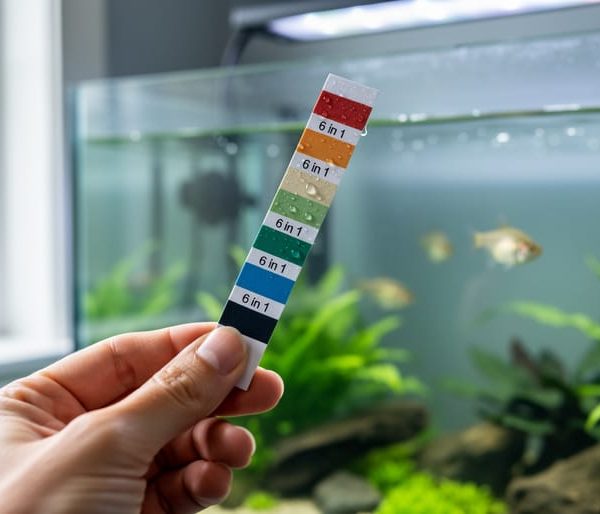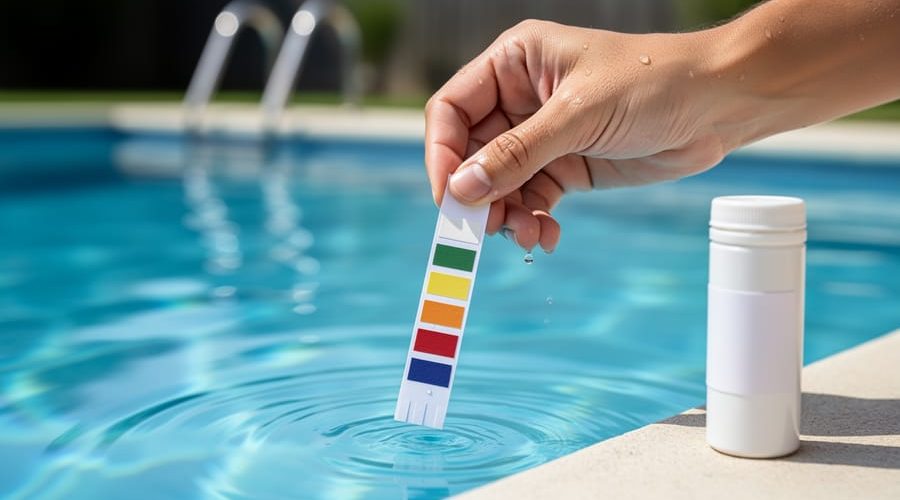
Test your pool water weekly by dipping a 6-way test strip below the surface for two seconds, then comparing the color-changing pads against the bottle’s chart within 15 seconds. These multiparameter strips simultaneously measure six critical water chemistry factors—free chlorine, total chlorine, pH, total alkalinity, cyanuric acid, and total hardness—giving you a complete water quality snapshot in under a minute. Unlike single-parameter tests that require multiple tools and complicated procedures, 6-way strips streamline pool maintenance into one simple motion, making professional-level water testing accessible to every homeowner.
Understanding what each pad reveals helps you maintain balanced, safe swimming conditions while reducing chemical waste. Free chlorine levels indicate your pool’s current sanitizing power, while pH measurements show whether your water is acidic or alkaline, affecting both swimmer comfort and equipment longevity. Total alkalinity acts as a pH buffer, cyanuric acid protects chlorine from sunlight degradation, and total hardness prevents corrosive or scale-forming water conditions. Regular testing with quality strips catches imbalances before they escalate into costly problems, supporting both your family’s health and environmentally-responsible pool care that minimizes unnecessary chemical additions.
What Are 6-Way Pool Test Strips?
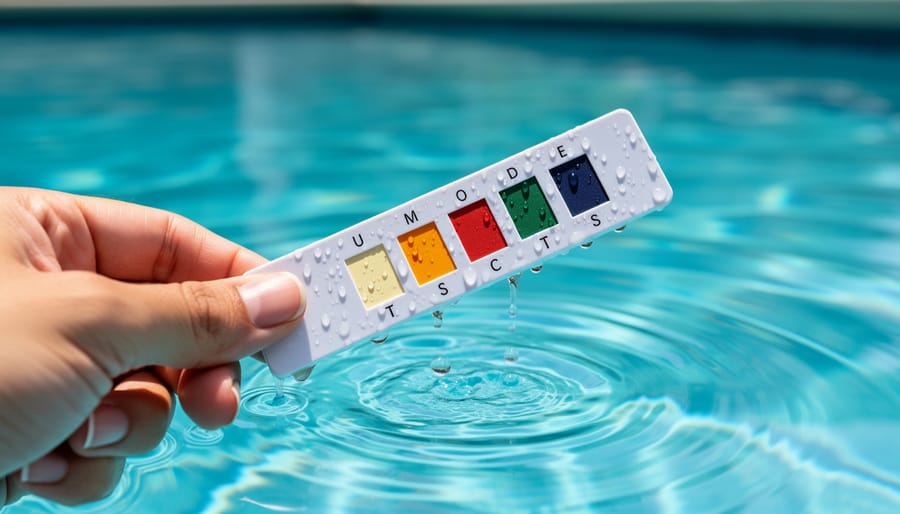
The Six Parameters They Measure
Understanding what your test strips measure helps you maintain a healthy, balanced pool while minimizing chemical waste and environmental impact. Here’s what each parameter tells you:
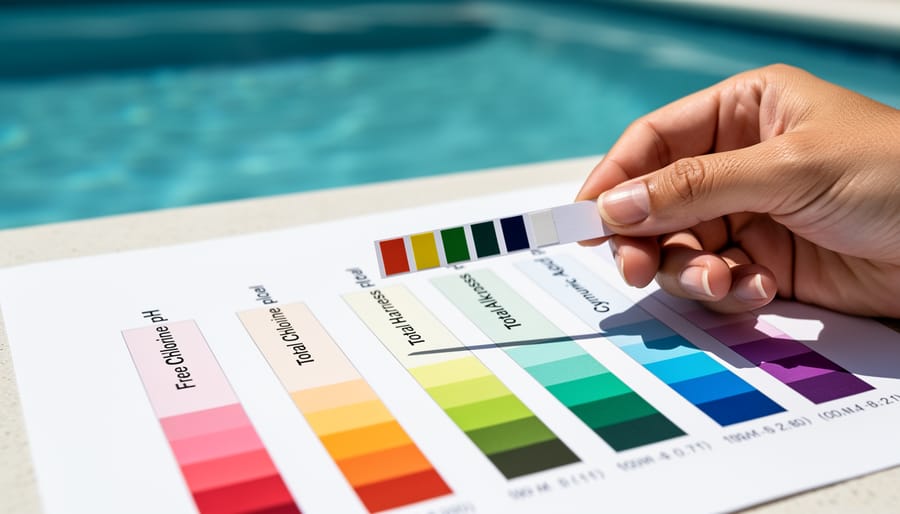
Free chlorine measures the active sanitizer available to kill bacteria and algae in your water. This is your pool’s first line of defense against harmful microorganisms. Ideal levels typically range from 1-3 ppm (parts per million). Too little leaves your pool vulnerable to contamination, while excess chlorine can irritate skin and eyes, plus wastes money and resources.
Total chlorine includes both free chlorine and chlorine that’s already done its job by binding to contaminants. The difference between total and free chlorine reveals how much “used up” chlorine remains in your water, helping you understand when shocking might be necessary.
pH indicates whether your water is acidic or basic on a scale from 0-14. The sweet spot sits between 7.2-7.6. When pH drifts too high or low, chlorine becomes less effective, equipment corrodes faster, and swimmers experience discomfort. Maintaining proper pH maximizes your sanitizer’s efficiency, reducing chemical consumption.
Total alkalinity acts as pH’s stabilizer, preventing dramatic swings that waste chemicals and stress your pool system. Target range is 80-120 ppm. Think of it as your water’s shock absorber.
Total hardness measures calcium content. Balanced hardness (200-400 ppm) protects plaster and equipment from corrosion or scaling, extending your pool’s lifespan and reducing replacement waste.
Cyanuric acid shields chlorine from sun degradation, making your sanitizer last longer in outdoor pools. However, levels above 50 ppm can actually reduce chlorine effectiveness, creating a counterproductive cycle of adding more chemicals than necessary. Regular testing helps you optimize protection without overshooting.
How 6-Way Test Strips Work
Using 6-way test strips is straightforward, making them ideal for busy homeowners who want to maintain a healthy pool without complicated procedures. Here’s how to get reliable results every time.
Start by collecting a water sample from elbow depth, away from return jets and skimmers where chemicals are most evenly distributed. This ensures you’re testing representative water rather than localized concentrations. Remove one strip from the container and immediately reseal it to protect the remaining strips from moisture and light, which can degrade their effectiveness.
Dip the strip into the water for exactly two seconds, moving it in a gentle back-and-forth motion. Don’t leave it submerged longer, as this can cause the reagent pads to oversaturate and produce inaccurate readings. Remove the strip and hold it horizontally to prevent color pads from bleeding into each other, which is a common mistake that compromises results.
Wait for the specified time listed on your strip container, typically 15-30 seconds. This timing is crucial for accurate pool water testing because the chemical reactions need time to develop properly. Rushing this step leads to false readings.
Compare the strip to the color chart in bright, natural light. Indoor lighting can distort colors and cause misinterpretation. Match each pad to its corresponding parameter on the chart, reading them in order from top to bottom.
For best results, avoid touching the test pads with your fingers, as oils and contaminants affect accuracy. Never reuse strips, and store your container in a cool, dry place away from direct sunlight. Testing at the same time daily provides consistent data for tracking trends in your pool’s water chemistry.
The Real Benefits of Using 6-Way Test Strips
Time Savings That Actually Matter
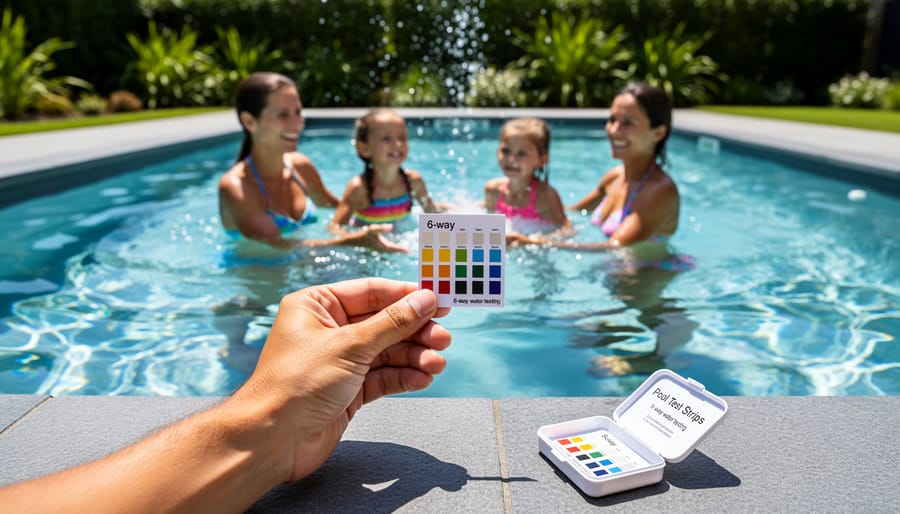
Traditional testing methods can eat up 15-20 minutes of your weekend—dripping individual reagents, counting drops, and comparing colors under proper lighting. Six-way test strips slash this to under 60 seconds. Simply dip, wait 15 seconds, and read all six parameters at once.
For busy homeowners, this means testing your pool becomes as quick as checking your mail. You’ll actually test more frequently because it’s effortless, leading to better water quality and fewer chemical corrections. Unlike electronic pool testers that require calibration and charging, strips work instantly anywhere. Over a swimming season, you’ll reclaim hours previously spent on tedious testing routines—time better spent enjoying your pool with family while maintaining that eco-friendly balance of using only necessary chemicals.
Cost-Effectiveness Over Time
When comparing costs, 6-way test strips initially appear more expensive per test than liquid kits, but the full picture tells a different story. A typical container of 50 strips costs $15-25, averaging $0.30-50 per test. Liquid test kits run $20-40 but require multiple reagents that expire within a season, often resulting in waste. Professional pool store testing seems free but factors in drive time, fuel costs, and the inconvenience of multiple weekly trips.
Over a swimming season, test strips prove economical for most homeowners. They eliminate reagent waste since you only use what you need, and their sealed packaging extends shelf life up to two years when stored properly. This reduces the environmental impact of disposing expired chemicals down drains or in landfills.
From an eco-living perspective, strips minimize chemical waste in two ways. First, accurate at-home testing prevents over-treating your pool, reducing unnecessary chlorine and pH adjuster use. Second, fewer bottles and plastic reagent containers end up in waste streams. While strips themselves create waste, manufacturers increasingly use recyclable packaging materials.
The convenience factor also matters. Quick daily testing encourages proactive pool care, catching imbalances before they require heavy chemical correction. This preventive approach saves money on treatments while supporting more sustainable pool maintenance practices that align with environmentally-conscious household management.
Comprehensive Testing in One Simple Step
The real power of 6-way test strips lies in their ability to reveal the complete picture of your pool’s water chemistry. Unlike single-parameter tests that examine factors in isolation, testing all six elements together helps you understand how these chemicals interact with each other.
Consider this common scenario: your pool water appears cloudy despite normal chlorine levels. When you test all parameters simultaneously, you might discover that high pH is reducing your chlorine’s effectiveness, while elevated alkalinity is making it difficult to adjust that pH. These interconnected issues often go unnoticed when testing parameters separately or on different days.
This holistic approach is particularly valuable for eco-conscious pool owners who want to minimize chemical use. By identifying the root cause of water imbalance rather than treating symptoms, you can make precise adjustments that reduce overall chemical consumption. Testing just chlorine might lead you to add more sanitizer unnecessarily when the real culprit is imbalanced pH affecting chlorine efficiency.
The convenience factor matters too. Instead of juggling multiple test kits and waiting between tests, you can assess your entire water chemistry in under 60 seconds, making regular monitoring more practical and sustainable for busy homeowners.
What to Look for When Choosing Test Strips
Accuracy and Reliability Markers
Quality test strips make the difference between accurate water management and guesswork. When selecting 6-way pool test strips, look for products with sharp, well-defined color charts that show clear distinctions between chemical levels. Faded or ambiguous colors can lead to misreadings, potentially causing you to add unnecessary chemicals to your pool.
Fresh strips matter significantly. Check for sealed packaging with foil lining that protects against moisture and light exposure, both of which degrade reagent pads over time. Many reputable manufacturers include expiration dates and batch numbers on containers, helping you track strip freshness. Storing your strips properly in a cool, dry place extends their accuracy.
Consider the manufacturer’s track record in water testing technology. Established brands typically invest in quality control processes and use stabilized reagents that deliver consistent results. Reading customer reviews can reveal real-world performance patterns, including how strips hold up over months of use.
Look for strips that meet industry standards and come with clear usage instructions. Some premium options include smartphone apps that help interpret results, making water chemistry accessible for those new to pool maintenance while supporting sustainable practices through precise chemical dosing.
Storage and Shelf Life Considerations
Proper storage directly impacts the accuracy and longevity of your 6-way test strips. Always keep strips in their original container with the lid tightly sealed to prevent moisture exposure, which can trigger premature chemical reactions on the reagent pads. Store the bottle in a cool, dry location away from direct sunlight, ideally between 59-86°F. Avoid keeping them near pool chemicals, as fumes can contaminate the strips and compromise results.
Most test strips remain effective for 12-24 months when stored correctly, but environmental conditions can shorten this timeframe. Check the expiration date printed on the bottle before each testing session. Expired or degraded strips often show visible signs including discolored reagent pads, faded colors that don’t match the provided chart, or pads that appear brittle or crumbling. If strips produce inconsistent results between consecutive tests of the same water sample, they’ve likely degraded.
For eco-conscious pool owners, proper storage reduces waste by maximizing strip lifespan and ensuring accurate readings that prevent overuse of chemical treatments. Handle strips with dry hands and remove only what you need, immediately resealing the container. This simple practice protects both your investment and the environment by promoting efficient resource use.
Reading Your Results and Taking Action
Ideal Range Reference Guide
Understanding what your test strip results mean is essential for maintaining a healthy, eco-friendly pool environment. Here’s your quick reference guide for interpreting each parameter:
Free Chlorine should measure between 1-3 ppm (parts per million). Results in this range indicate proper sanitization without excess chemical use. Below 1 ppm means insufficient protection against bacteria, while above 3 ppm suggests overtreatment and potential skin irritation.
Total Chlorine ideally matches your free chlorine reading. When total chlorine exceeds free chlorine by more than 0.5 ppm, you have combined chlorine buildup requiring shock treatment.
pH levels belong between 7.2-7.8, with 7.4 being optimal. This slightly alkaline range ensures chlorine effectiveness while protecting equipment and swimmer comfort. Low pH causes corrosion and eye irritation, while high pH reduces sanitizer efficiency and creates cloudy water.
Total Alkalinity should read 80-120 ppm, acting as a pH buffer to prevent dramatic swings that waste chemicals and harm pool surfaces.
Total Hardness falls ideally between 200-400 ppm for most pools. This calcium level prevents water from becoming corrosive or scale-forming.
Cyanuric Acid (stabilizer) protects chlorine from sunlight degradation, with ideal levels at 30-50 ppm for outdoor pools. Higher readings reduce chlorine effectiveness despite adequate levels showing on your strip.
When to Retest and Track Results
Test your pool water 2-3 times weekly during swimming season and once weekly during off-season months. Morning tests before sunlight and swimmers affect chemistry provide the most accurate baseline readings. After heavy rain, pool parties, or chemical adjustments, retest within 24 hours to confirm balance restoration.
Keep a simple log noting date, test results, and any treatments applied. This pattern tracking helps you anticipate seasonal changes and catch problems early. Many pool owners use smartphone apps or basic notebooks to spot trends over time, similar to home water testing routines for drinking water.
If strips consistently show extreme readings despite treatment, water appears cloudy or discolored, or you experience recurring algae blooms, consult a pool professional. They can perform laboratory analysis to identify underlying issues like metal contamination or equipment malfunctions that strips cannot detect. Professional testing also proves valuable when opening or closing your pool seasonally.
Common Testing Mistakes and How to Avoid Them
Even experienced pool owners make testing mistakes that compromise water quality and waste chemicals. Understanding these common pitfalls helps you get reliable readings every time.
Contamination ranks as the most frequent error. Never dip test strips directly into your pool. Instead, collect a water sample in a clean cup held elbow-deep, away from return jets. Dirty containers or touching the test pads with your fingers transfer oils and debris that skew results. Always handle strips by their ends and use freshly collected samples.
Timing errors create significant reading discrepancies. Most strips require exactly 15 seconds of water contact followed by immediate color comparison. Setting the strip aside “for a minute” while you check your phone allows the pads to over-develop or dry out, producing false readings. Use your smartphone’s timer to ensure precision.
Misreading color charts happens more often than you’d think, especially in poor lighting. Indoor or evening testing under artificial lights distorts color perception. Test outdoors in natural daylight whenever possible, holding the strip directly next to the chart. If colors fall between two values, record the middle number rather than guessing optimistically.
Storage mistakes shorten strip lifespan dramatically. Heat, humidity, and sunlight degrade test pad chemicals. Keep bottles tightly sealed in a cool, dry location—never poolside. Replace strips showing discoloration or past their expiration date, as they’ll provide unreliable data that could lead to improper chemical additions and compromised water safety.
The Environmental Impact of Pool Water Testing
Maintaining your pool with 6-way test strips isn’t just about crystal-clear water—it’s an opportunity to practice environmentally responsible pool care. When you test your pool water accurately and regularly, you’re taking an important step toward reducing chemical waste and conserving resources.
Precise water testing helps you add only the chemicals your pool actually needs, preventing the overuse of chlorine, algaecides, and pH adjusters that can eventually make their way into local waterways. By catching imbalances early, you’ll also avoid the need for shock treatments and large-scale chemical corrections that dump excess substances into the environment. This targeted approach means fewer chemicals entering ecosystems when you backwash your filter or drain pool water.
Regular testing also extends the life of your pool water, reducing how often you need to drain and refill. Since the average pool contains thousands of gallons, conserving water through proper maintenance makes a significant environmental difference, especially in drought-prone regions.
When it comes to disposal, used test strips should go in your regular trash rather than being flushed or left poolside where chemicals can leach into soil. While the strips themselves contain small amounts of chemical reagents, proper disposal minimizes environmental impact.
Consider choosing test strips from manufacturers committed to sustainable practices, such as those using recyclable packaging or reduced plastic in their products. Some brands now offer strips with biodegradable components, aligning pool maintenance with eco-conscious living. By combining accurate testing with mindful disposal and conservation practices, you’re protecting both your pool and the planet.
Maintaining balanced pool water doesn’t have to be complicated or time-consuming. Six-way test strips offer a straightforward, eco-friendly solution that puts essential water quality information right at your fingertips in just seconds. By regularly monitoring chlorine, pH, alkalinity, hardness, cyanuric acid, and bromine levels, you’re not just protecting your pool equipment from costly damage—you’re safeguarding your family’s health and comfort every time they take a dip.
Think of water testing as preventive care for your pool. Just as you wouldn’t skip routine maintenance on your home’s major systems, consistent water testing prevents small imbalances from becoming expensive problems. Testing twice weekly during swim season takes mere minutes but delivers peace of mind that your water remains safe and inviting.
Start your testing routine today. Choose a consistent schedule that works for your lifestyle—perhaps Monday mornings and Friday afternoons—and stick with it. Keep your test strips in a cool, dry location, mark your container with the purchase date, and make testing as automatic as checking your mailbox. Your pool represents a significant investment in your home and your family’s enjoyment; protecting it with regular testing is simply smart stewardship.