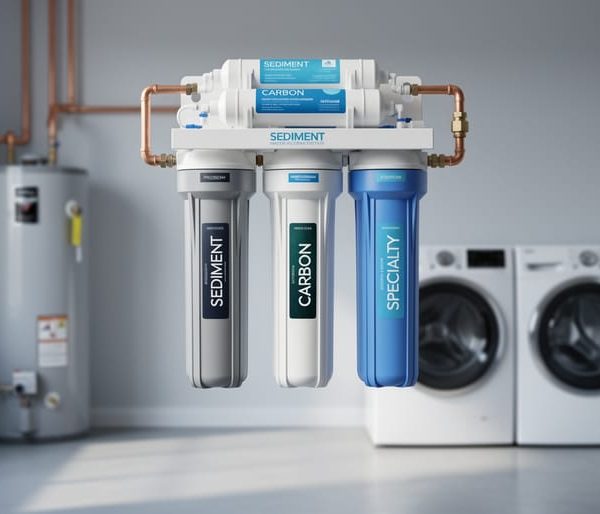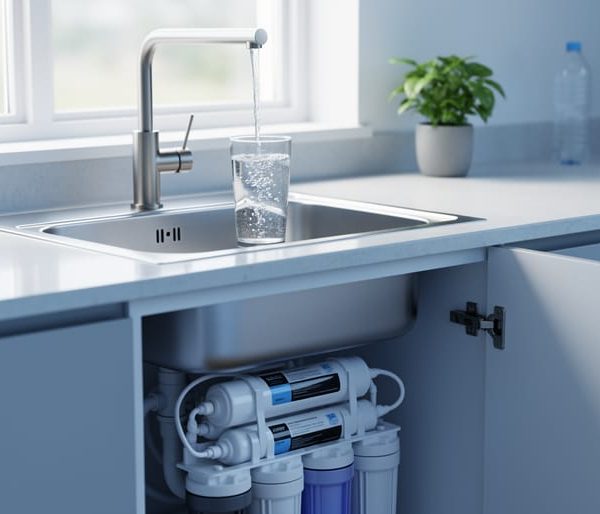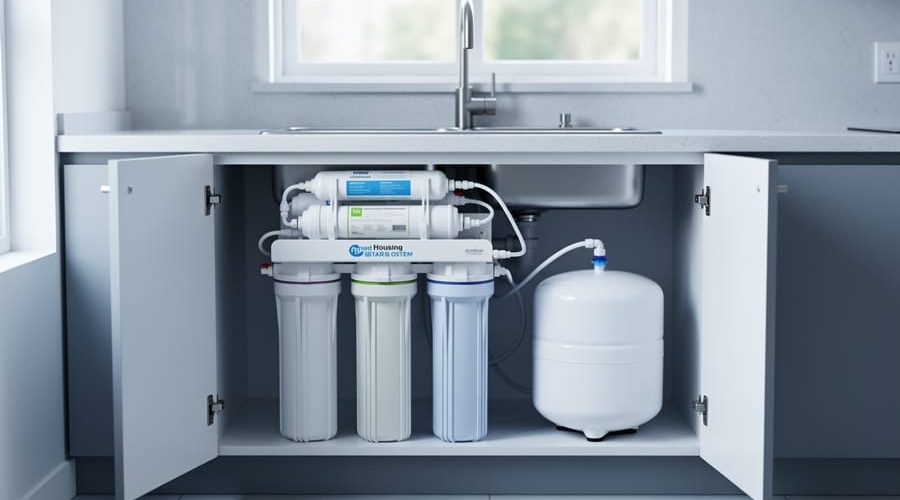
A 4-stage reverse osmosis water filtration system removes up to 99% of contaminants from your tap water through a carefully orchestrated purification process. This configuration strikes an ideal balance between thorough filtration and practical home use, making it the most popular choice among homeowners seeking cleaner drinking water without the complexity of 5 or 6-stage systems.
The four stages work in sequence: a sediment pre-filter captures rust, sand, and larger particles; a carbon pre-filter removes chlorine, odors, and organic compounds; the reverse osmosis membrane blocks dissolved solids, heavy metals, and microscopic contaminants; and a final carbon post-filter polishes the taste before water reaches your glass. Together, these stages protect your health while delivering restaurant-quality water directly from your kitchen sink.
Understanding this system matters because water quality directly impacts your family’s health and your environmental footprint. By filtering water at home, you eliminate the need for single-use plastic bottles while removing harmful substances like lead, fluoride, arsenic, and pharmaceutical residues that municipal treatment plants often miss. A 4-stage system accomplishes this efficiently, using less water than older models and requiring minimal maintenance beyond annual filter changes.
Whether you’re concerned about aging infrastructure, agricultural runoff, or simply want better-tasting water for cooking and drinking, a 4-stage reverse osmosis system offers proven technology that homeowners have trusted for decades. The key is knowing which configuration matches your water quality challenges and household size.
What Makes a 4-Stage RO System Different

The Four Filtration Stages Explained
Understanding how each filtration stage works helps you appreciate why this system delivers such clean, great-tasting water. Each component targets specific contaminants, creating a comprehensive defense against impurities that might be lurking in your tap water.
Stage 1: Sediment Pre-Filter
This initial barrier removes larger particles like dirt, rust, sand, and silt typically measuring 5 microns or larger. Think of it as your system’s first line of defense, catching visible debris before it can damage the more delicate filters downstream. This stage is particularly crucial for households with well water treatment systems, where sediment levels tend to be higher than municipal supplies.
Stage 2: Carbon Pre-Filter
The second stage uses activated carbon to tackle chlorine, volatile organic compounds (VOCs), and chemicals that affect taste and odor. Carbon works through a process called adsorption, where contaminants stick to the carbon’s porous surface. This stage also protects your RO membrane by removing chlorine, which can degrade the membrane material over time.
Stage 3: Reverse Osmosis Membrane
Here’s where the magic happens. The RO membrane features microscopic pores that allow only water molecules to pass through while blocking up to 99% of dissolved solids, heavy metals like lead and mercury, fluoride, nitrates, and many other contaminants. Water is forced through this semi-permeable barrier under pressure, leaving impurities behind to be flushed away.
Stage 4: Carbon Post-Filter
This final polishing stage removes any remaining tastes or odors after water exits the storage tank. It ensures your water tastes crisp and fresh at every pour, providing that finishing touch that makes filtered water so enjoyable to drink.
Together, these four stages create a sequential purification process that transforms questionable tap water into clean, healthy drinking water for your family.
How 4-Stage Compares to Other Configurations
Understanding where 4-stage systems fit in the reverse osmosis landscape helps you make a confident purchasing decision.
3-stage systems represent the most basic RO configuration, typically including a sediment filter, carbon block, and the RO membrane itself. While these systems remove most contaminants effectively, they skip the final polishing stage that enhances taste and catches any remaining particles. You’ll save money upfront with a 3-stage system, but water quality won’t match what a 4-stage delivers.
The 4-stage configuration adds that crucial post-carbon filter after the membrane, functioning as a final quality checkpoint. This additional stage removes any residual odors or tastes that might develop in the storage tank, ensuring every glass tastes fresh. For most households, this represents the sweet spot between performance and simplicity.
5-stage and 6-stage systems build upon the 4-stage foundation by adding remineralization filters or UV sterilization lights. Remineralization stages reintroduce beneficial minerals like calcium and magnesium, addressing concerns about overly purified water. UV stages provide extra protection against bacteria and viruses, though the RO membrane already removes 99% of these microorganisms.
The trade-off? More stages mean higher initial costs, more filter replacements, and increased maintenance complexity. Unless you have specific water quality challenges or health requirements, a well-designed 4-stage system provides excellent purification without unnecessary complications. This makes it an environmentally sensible choice, balancing thorough filtration with resource efficiency while meeting most household water quality needs perfectly.
Key Benefits of 4-Stage Reverse Osmosis
What Contaminants Get Removed
A 4-stage reverse osmosis system targets a comprehensive range of water contaminants that may be lurking in your tap water. The sediment pre-filter tackles visible particles like rust, sand, and dirt, while the carbon filter removes chlorine (typically 95-99%), which not only affects taste but can also dry out skin and hair.
The real workhorse is the RO membrane, which removes dissolved solids and heavy metals with impressive efficiency. Lead, a particularly dangerous neurotoxin linked to developmental issues in children, gets reduced by 95-98%. Arsenic, a known carcinogen found in some groundwater supplies, is filtered out at similar rates. Fluoride removal typically reaches 85-92%, addressing concerns some homeowners have about excessive fluoride exposure.
These systems also effectively tackle nitrates (85-95% reduction), which can contaminate wells in agricultural areas, and reduce total dissolved solids (TDS) by 90-99%. High TDS levels often indicate the presence of sodium, calcium, and other minerals that contribute to hard water issues and can affect appliance longevity.
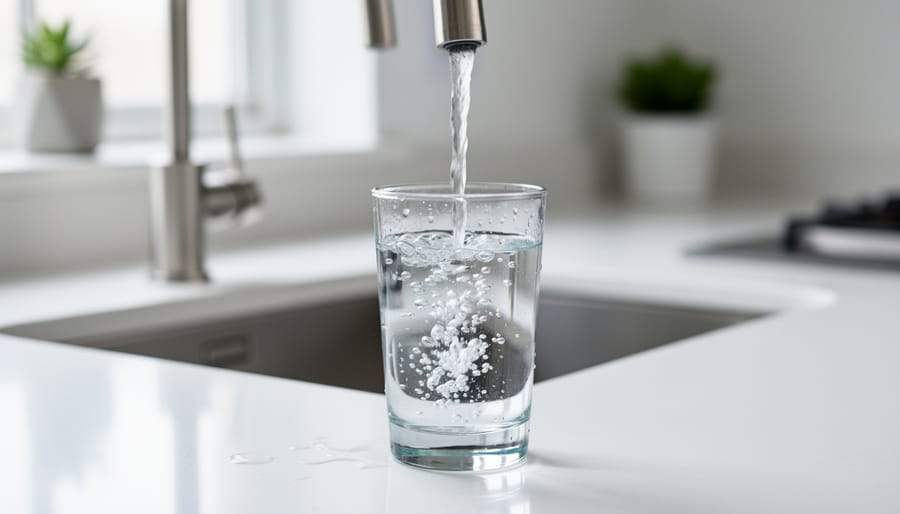
Why does this matter for your health? Heavy metals and chemical contaminants accumulate in your body over time, potentially affecting everything from cognitive function to organ health. By removing these substances at the point of use, you’re creating a safer water source for drinking, cooking, and even washing produce. This proactive approach gives you control over what your family consumes daily, regardless of seasonal water quality fluctuations or aging municipal infrastructure.
Environmental and Cost Advantages
Choosing a 4-stage reverse osmosis system delivers meaningful environmental and financial benefits that extend far beyond cleaner drinking water. While the upfront investment may seem significant, homeowners typically save hundreds of dollars annually by eliminating bottled water purchases. A family of four spending just $10 weekly on bottled water will spend over $500 yearly, while an RO system provides unlimited filtered water for pennies per gallon.
The environmental impact is equally impressive. By switching from bottled water, you’ll prevent hundreds of single-use plastic bottles from entering landfills and oceans each year. This simple household change significantly reduces your carbon footprint, as bottled water production and transportation consume substantial energy resources.
From an efficiency standpoint, 4-stage systems strike an ideal balance. They consume less energy than more complex 5, 6, or 7-stage configurations while still delivering excellent water quality for most households. The streamlined design means fewer components to maintain and replace, reducing both ongoing costs and material waste. Additionally, modern 4-stage systems feature improved water-to-waste ratios compared to older models, conserving more water during the filtration process. This efficiency makes them a practical choice for environmentally-conscious homeowners seeking sustainable living solutions without compromising on performance or breaking the budget.
What to Look for When Buying a 4-Stage System
Certifications That Actually Matter
When evaluating any water treatment system, certifications serve as your guarantee that it performs as advertised. The most recognized certifications come from NSF International and the Water Quality Association.
NSF/ANSI Standard 42 confirms your system reduces aesthetic contaminants like chlorine taste and odor. Standard 53 is more critical, verifying removal of health-related contaminants including lead, mercury, and certain volatile organic compounds. Standard 58 specifically addresses reverse osmosis systems, ensuring they reduce total dissolved solids and specific contaminants to safe levels.
The newer Standard 401 tackles emerging contaminants that weren’t previously regulated, including certain pharmaceuticals, herbicides, and pesticides that increasingly appear in water supplies. This certification is particularly valuable as water contamination evolves.
The WQA Gold Seal provides additional verification that products meet industry standards for material safety, structural integrity, and contaminant reduction claims. This independent testing adds another layer of consumer protection.
When shopping for a 4-stage system, look for multiple certifications rather than just one. A system certified for Standards 42, 53, and 58 offers comprehensive protection. These certifications aren’t just marketing badges; they represent rigorous third-party testing that validates your investment in cleaner, safer drinking water.
Understanding Flow Rate and Capacity
Choosing the right system capacity starts with understanding your household’s daily water consumption. A typical person uses about 1-2 gallons of drinking and cooking water daily. For a family of four, look for systems rated between 50-75 GPD (gallons per day). GPD measures how much filtered water your system produces in 24 hours under ideal conditions, though actual production varies with water temperature and pressure.
Here’s a practical breakdown: a 50 GPD system produces roughly 2 gallons per hour, which adequately serves most small to medium households. However, larger families or those who frequently cook, prepare baby formula, or fill water bottles may benefit from 75-100 GPD models to avoid running low during peak usage times.
Storage tanks play a crucial role in meeting immediate demand. Most 4-stage systems include 3-4 gallon pressurized tanks that hold pre-filtered water for instant access. This reserve means you won’t wait for the system to process water every time you fill a glass. Consider your kitchen space and typical usage patterns—if you regularly host gatherings or have high morning demand, a larger tank capacity ensures you’ll never run dry when you need clean water most.
Water Waste Ratios Explained
Reverse osmosis systems traditionally operate with a waste-to-purified water ratio, meaning they produce drain water alongside clean drinking water. Standard 4-stage RO systems typically have ratios between 3:1 and 4:1, producing three to four gallons of wastewater for every gallon of purified water. While this might seem inefficient, it’s how the system flushes away contaminants to protect your health.
However, water conservation matters, especially in drought-prone areas. The good news is that newer, efficient RO models have significantly improved these ratios. Modern systems now achieve ratios as low as 1:1 or even better, cutting water waste by up to 75% compared to older units. Some innovative designs incorporate permeate pumps or specialized membranes that maximize water recovery without compromising filtration quality.
To minimize environmental impact, consider these sustainable practices: use the rejected water for plants, cleaning, or lawn irrigation since it contains no harmful chemicals. When shopping for a 4-stage system, check the manufacturer’s specifications for waste ratios and look for WaterSense or similar certifications. Choosing an efficient model not only reduces your environmental footprint but also lowers your water bills, making it a win-win for both your wallet and the planet.
Installation and Maintenance Requirements
DIY vs. Professional Installation
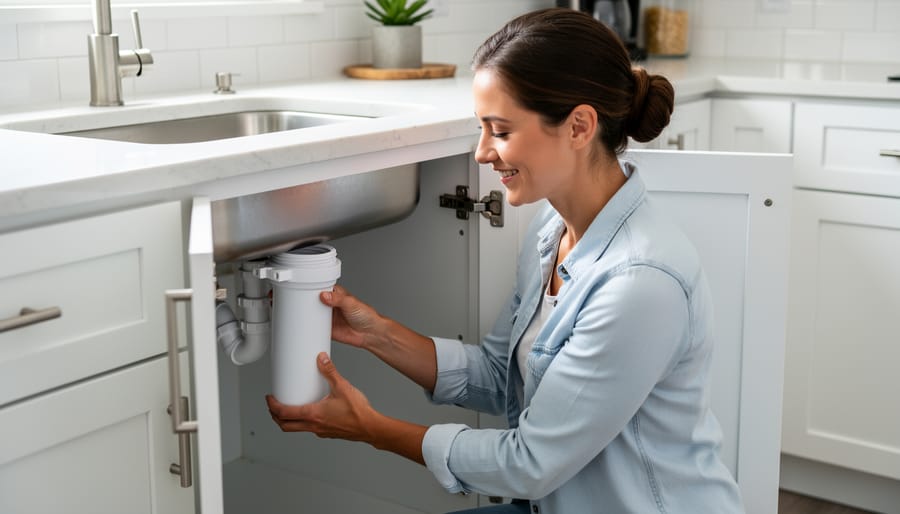
Installing a 4-stage reverse osmosis system can be a rewarding DIY project if you have basic plumbing skills and the right tools. You’ll need familiarity with connecting water lines, drilling through countertops or cabinet backs for the faucet, and working with compression fittings. Most systems include detailed instructions and color-coded tubing to simplify the process, making it manageable for moderately handy homeowners in 2-4 hours.
However, certain situations warrant professional help. If your home has unusual plumbing configurations, lacks adequate water pressure (below 40 PSI), or requires modifications to existing electrical or plumbing systems, a licensed plumber ensures proper installation and compliance with local codes. Additionally, professionals can quickly identify potential issues like incompatible drain connections or inadequate space that might frustrate DIY installers.
Professional installation typically costs between $150-$400 depending on your location and complexity, while DIY only requires basic tools you may already own. Consider your comfort level with plumbing tasks and whether warranty requirements specify professional installation. Many manufacturers offer support hotlines for DIY installers, providing guidance when challenges arise. Ultimately, proper installation, whether DIY or professional, ensures your system operates efficiently and delivers clean, sustainable drinking water for years to come.
Filter Replacement Schedule and Costs
Understanding when to replace filters keeps your reverse osmosis system running efficiently and ensures your water stays clean. Each stage has different lifespans based on usage and water quality, so staying on schedule protects both your health and your investment.
The sediment pre-filter typically needs replacement every 6 to 12 months, depending on your water’s sediment levels. If you notice reduced water flow or cloudy water, it’s signaling time for a change. Carbon pre-filters also last 6 to 12 months and should be replaced when you detect unusual tastes or odors returning to your water.
The RO membrane, being the system’s workhorse, lasts considerably longer at 2 to 3 years with proper maintenance. However, homes with particularly hard water or heavy contaminant loads may need earlier replacement. Signs include declining water production, increased waste water, or TDS meter readings showing inadequate filtration.
The final carbon post-filter generally needs changing annually to maintain that fresh, clean taste. This relatively inexpensive component makes a noticeable difference in your drinking experience.
Annual maintenance costs typically range from $50 to $150 for pre and post-filters, plus $75 to $200 for the RO membrane when replacement time arrives. This averages roughly $100 to $200 yearly, far less than purchasing bottled water while eliminating plastic waste. Many homeowners find setting calendar reminders helpful, though some systems include indicator lights that take the guesswork out of maintenance scheduling. This proactive approach ensures continuous access to high-quality filtered water while maximizing your system’s lifespan.
Common Problems and How to Avoid Them
When Your System Isn’t Performing Right
Even the best filtration systems occasionally need troubleshooting. If your water flow has slowed to a trickle, this typically indicates clogged pre-filters or a sediment-laden membrane. Check your filter replacement schedule first, as most stages need changing every 6-12 months depending on your water quality.
Low water pressure throughout your system might stem from an inadequate supply line or a partially closed valve. Ensure your home’s water pressure meets the minimum requirement of 40-60 PSI for optimal RO performance. If you’re experiencing this issue in an older home, a booster pump can help.
When water tastes off despite recent filter changes, your membrane may have reached its lifespan limit (typically 2-3 years). The membrane is your system’s workhorse, and failure here means contaminants are slipping through.
Storage tank problems often manifest as constantly running systems or inadequate water reserves. Check the tank’s air pressure using a tire gauge when empty—it should read 7-8 PSI. If pressure is low, you can add air through the tank’s valve.
For persistent issues beyond these simple fixes, consulting your system’s manual or contacting a water treatment professional ensures you’re not overlooking underlying water quality challenges that might require adjustments to your eco-friendly filtration setup.
Who Should Choose a 4-Stage System
A 4-stage reverse osmosis system strikes an excellent balance between effective filtration and practical simplicity, making it ideal for several specific situations. If you live in an area with generally good municipal water quality but want to remove chlorine, improve taste, and eliminate common contaminants like lead or pharmaceuticals, a 4-stage system provides sufficient protection without unnecessary complexity.
Budget-conscious homeowners often find 4-stage systems particularly appealing. They deliver the core benefits of reverse osmosis technology at a lower initial cost and with reduced ongoing maintenance expenses compared to 5- or 6-stage configurations. Small to medium-sized households typically find the water production rate adequate for daily drinking, cooking, and beverage preparation needs.
However, certain situations call for different approaches. If your home has exceptionally hard water causing scale buildup and appliance damage, you may need to pair your RO system with a water softener for whole-house protection. Those facing severe water quality issues with high levels of sediment, heavy metals, or specific contaminants might benefit from a more advanced 5- or 6-stage system with additional specialized filters.
Conversely, renters or those seeking the most affordable entry point into filtered water might consider simpler pitcher filters or faucet-mounted options, though these won’t match the comprehensive filtration a 4-stage RO system provides. Evaluate your water quality test results, household size, and budget to determine if a 4-stage configuration meets your specific needs.
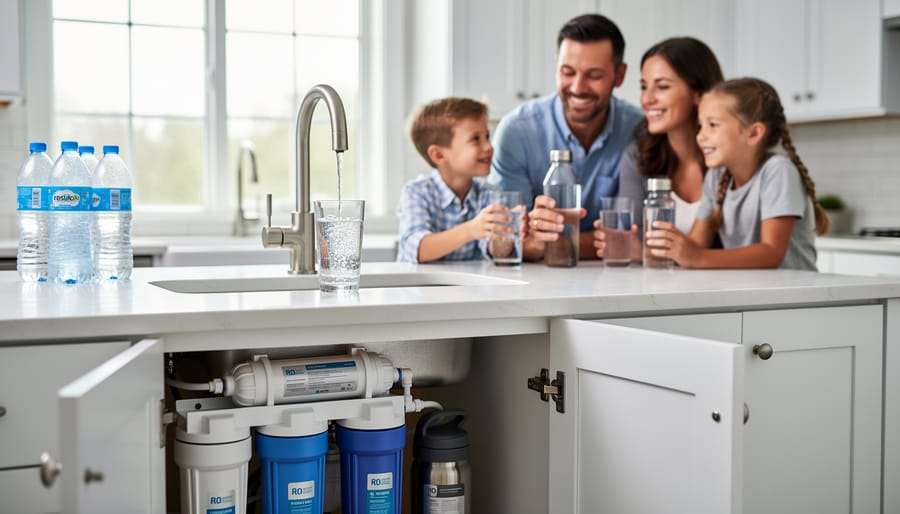
A 4-stage reverse osmosis system makes the most sense for households seeking effective contaminant removal without unnecessary complexity or expense. If your water contains common impurities like chlorine, sediment, and dissolved solids, but doesn’t require specialized filtration for specific contaminants, this streamlined configuration delivers excellent results while minimizing filter replacements and maintenance costs.
Before making your purchase, consider your household size, daily water consumption, and specific water quality concerns. Remember that while 4-stage systems offer solid performance, homes with particularly challenging water conditions might benefit from additional filtration stages. The key is matching the system to your actual needs rather than assuming more stages automatically mean better water.
Most importantly, invest in water quality testing before installation to identify what contaminants you’re actually dealing with, and test again afterward to verify your system’s effectiveness. This simple step ensures you’re getting the clean, safe drinking water you’re paying for while contributing to a healthier home environment and reducing plastic bottle waste—a win for both your family and the planet.