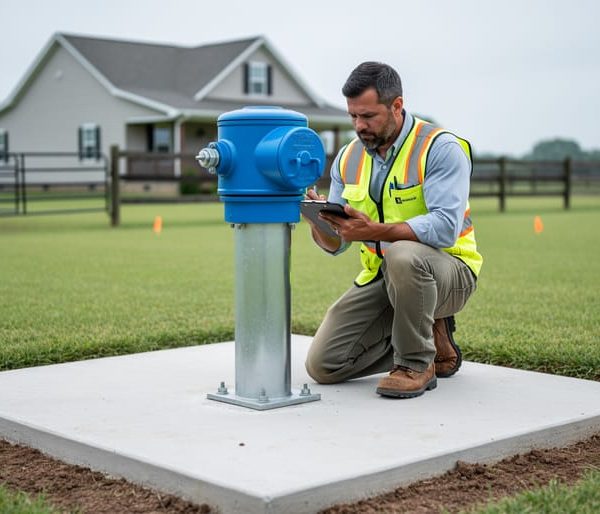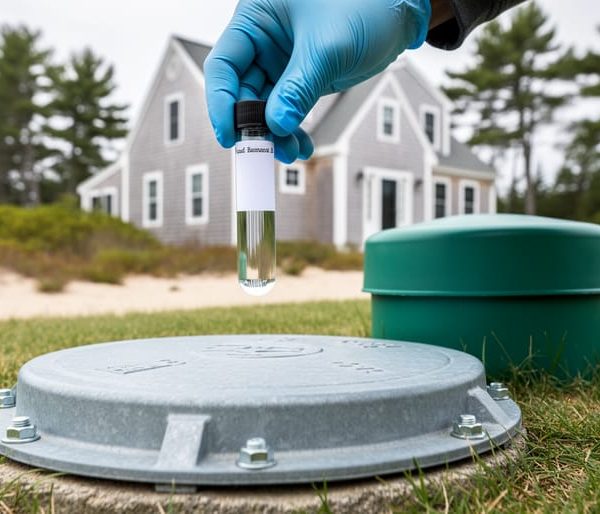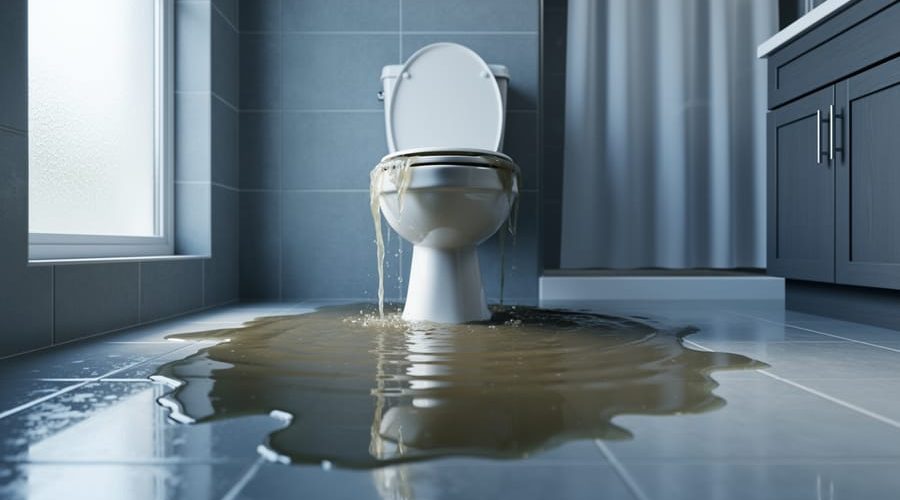
Shut off your home’s water supply immediately if you notice sewage backing up into drains, toilets overflowing with waste, or standing water pooling near your septic tank or drain field. These warning signs indicate a critical system failure that can contaminate your property and groundwater within hours. Move family members and pets away from affected areas, as raw sewage carries harmful bacteria like E. coli and pathogens that cause serious illness through direct contact or airborne particles.
Contact a 24-hour emergency septic service provider before attempting any DIY fixes. Professional pumpers have specialized vacuum trucks and equipment to safely extract waste, diagnose the root cause, and prevent environmental damage. A standard septic emergency typically costs between $300-$800 for after-hours service, but delaying can lead to thousands in property damage and potential health department fines.
Document the situation with photos and notes about what you observed before the backup occurred. This information helps technicians identify whether the problem stems from a full tank, clogged pipes, damaged baffles, or drain field failure. Understanding the specific issue guides both immediate repairs and long-term solutions.
Emergency septic situations threaten more than your plumbing system. When septic systems fail, untreated wastewater can seep into soil and migrate toward wells, streams, and neighboring properties. For households relying on well water, a septic emergency creates immediate drinking water contamination risks. This guide explains how to respond to septic crises, find reliable emergency services, and implement preventive maintenance that protects both your investment and local water quality.
What Qualifies as a Septic Emergency
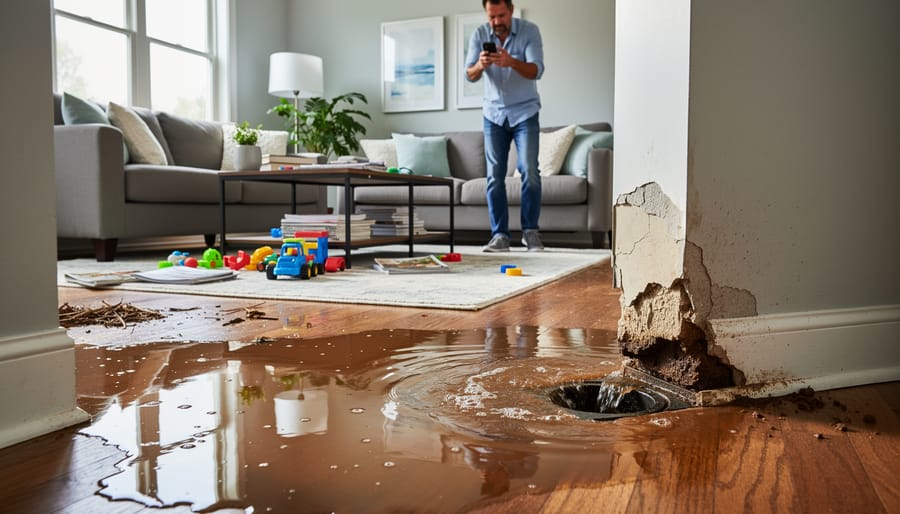
Warning Signs You Can’t Ignore
Recognizing the early warning signs of septic system failure can save you from a costly environmental disaster and protect your household water quality. Your septic system communicates distress through several unmistakable symptoms that demand immediate attention.
Gurgling sounds from drains, toilets, or plumbing fixtures indicate trapped air in your system, often signaling a blockage or failing drain field. When wastewater can’t flow properly, it creates pressure that produces these distinctive noises. If multiple drains gurgle simultaneously, your septic tank likely needs emergency pumping.
Watch for soggy patches or unusually lush grass in your drain field area. These wet spots reveal wastewater surfacing above ground, creating serious health hazards and potential groundwater contamination. You might notice a foul sewage odor accompanying these saturated areas, particularly after rainfall or heavy household water use.
Slow-draining sinks, showers, and toilets throughout your home suggest your tank has reached capacity. While a single sluggish drain might indicate a localized clog, system-wide drainage issues point to septic overload requiring professional intervention.
Perhaps most critically for well water users, septic system failures pose direct contamination risks to drinking water supplies. Backed-up systems can leach harmful bacteria, nitrates, and pathogens into the surrounding soil, eventually reaching groundwater sources. If you notice changes in your well water’s taste, odor, or color alongside septic problems, treat this as an emergency requiring immediate action to protect your family’s health and the local ecosystem.
The Connection Between Septic and Well Water Safety
For homeowners relying on private wells, a failing septic system poses an immediate threat to your household’s water supply. When septic tanks overflow or drain fields become saturated, untreated wastewater can migrate through soil and groundwater, traveling directly toward your well. This contamination pathway introduces harmful bacteria, viruses, nitrates, and household chemicals into the water your family drinks, cooks with, and bathes in daily.
The distance between your septic system and well matters tremendously. Most regulations require at least 50-100 feet of separation, but during emergencies like backups or tank failures, even this buffer may prove insufficient. Contaminated groundwater can spread rapidly through porous soil or fractured bedrock, especially after heavy rainfall when soil saturation accelerates contaminant movement.
Emergency septic situations demand immediate attention not just for convenience, but for health protection. Well water contamination from septic failures can cause serious illnesses including gastrointestinal problems and infections. Regular septic maintenance and swift emergency response create an essential barrier protecting your water quality, ensuring the drinking water innovations and filtration systems you’ve invested in aren’t overwhelmed by preventable contamination at the source.
How Emergency Septic Pumping Works
Response Times and Service Availability
Most reputable emergency septic services offer genuine 24/7 availability, meaning you can call at 3 a.m. on a holiday and reach a real person, not just an answering machine. However, response times vary based on several practical factors. In urban and suburban areas, expect a technician to arrive within 2-4 hours during peak demand periods, though many services aim for faster response during off-peak times. Rural properties may experience longer waits due to travel distance.
Several circumstances affect availability. Severe weather events often trigger multiple septic emergencies simultaneously, extending wait times. Seasonal factors matter too, as spring thaws and heavy rainfall periods create higher call volumes. The severity of your situation also influences priority, with raw sewage backing into homes receiving fastest response.
When calling, clearly describe your emergency, including any overflow near wells or water sources, as contamination risks warrant immediate attention. Ask about guaranteed response windows rather than estimates. Legitimate services will provide realistic timeframes and keep you updated if delays occur. Having a backup service provider’s contact information ensures you’re never stranded during peak emergency periods when even the best services reach capacity.
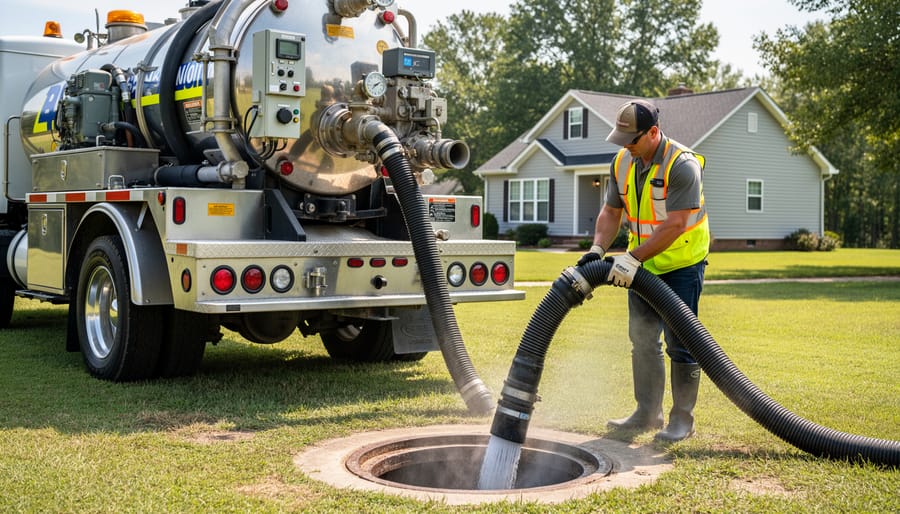
The Equipment and Process Explained
When an emergency septic service arrives at your home, they bring specialized equipment designed to safely and efficiently remove waste from your septic system. Understanding this process can help ease concerns during what’s often a stressful situation.
The primary tool is a pump truck, also called a vacuum truck or honey wagon. This large vehicle contains a powerful vacuum pump and a storage tank that typically holds between 1,000 to 3,000 gallons of waste. The truck connects to your septic tank through thick, durable hoses that create an airtight seal.
The pumping procedure begins with the technician locating and opening your septic tank access lid. They’ll inspect the tank to assess the problem and determine the best approach. The vacuum system works similarly to a giant household vacuum cleaner, but instead of air and dust, it removes liquid waste and solid sludge from your tank. The powerful suction draws everything through the hose into the truck’s sealed storage compartment.
During the process, technicians may use a backflush technique, which involves pumping small amounts of clean water back into the tank to break up stubborn solids and ensure thorough cleaning. This helps protect your home’s water quality by preventing contamination that could seep into groundwater or nearby wells.
The entire pumping process typically takes 30 to 60 minutes, depending on tank size and the severity of the backup. Once complete, the waste is transported to an approved treatment facility where it’s processed according to environmental regulations, supporting both immediate problem-solving and sustainable waste management practices.
Building Your Emergency Response Plan
Creating Your Emergency Contact List
Don’t wait until you’re ankle-deep in sewage to find a reliable emergency septic service provider. Creating your contact list now saves precious time when disaster strikes and protects your household water quality from potential contamination.
Start by researching local septic companies that specifically offer 24/7 emergency services. Check their licensing and insurance status through your state’s contractor licensing board. All reputable providers should carry liability insurance and proper certifications for septic system work in your area.
When vetting potential companies, ask these essential questions: What’s your typical emergency response time? Do you service my specific septic system type? Are you available on holidays and weekends? What emergency services do you provide beyond pumping, such as line repairs or drainfield assessment? Request references from customers who’ve used their emergency services, not just routine maintenance.
Verify their environmental practices, especially how they dispose of septic waste. Responsible companies follow strict regulations to prevent groundwater contamination, which directly affects your local water ecosystem and potentially your well water if you use one.
Check online reviews focusing on emergency service experiences rather than scheduled maintenance. Look for patterns in how they handle urgent situations, their communication quality, and whether they resolved issues completely.
Compile a list of three to five vetted providers with their contact information, service areas, and any specific notes about their expertise. Store this digitally and keep a physical copy near your water shutoff valve. Update the list annually to ensure accuracy when you need help most.

Essential Information to Keep Handy
When an emergency strikes, having quick access to your septic system information can save precious time and prevent costly mistakes. Start by creating a simple file folder or digital document containing these essential details.
First, document your septic tank’s exact location on your property. Take photos or sketch a map showing measurements from permanent landmarks like your home’s foundation or driveway. Many homeowners discover they don’t know where their tank is buried until crisis hits, wasting valuable time during an emergency.
Record your tank’s capacity in gallons, which determines pumping frequency and costs. Most residential tanks range from 750 to 1,500 gallons. Include your system type as well, whether it’s a conventional gravity system, aerobic treatment unit, or alternative eco-friendly design. Different systems require specialized knowledge from service providers.
Keep a maintenance log noting your last pump-out date, inspection results, and any repairs performed. This history helps emergency technicians diagnose problems faster and ensures you’re meeting recommended pumping intervals, typically every three to five years for most households.
Store contact information for your regular septic service provider and at least two backup emergency companies. Include your property’s septic permit number if applicable, and any warranty documentation for system components.
Finally, note the location of your drain field and any warning signs you’ve observed, like slow drains or unusual odors. This preparation streamlines emergency response while protecting your family’s health and your property’s groundwater quality from potential contamination.
Immediate Steps When Disaster Strikes
Protecting Your Household Water Supply
When your septic system fails, protecting your household water supply becomes critical, especially if you rely on well water. Contaminated groundwater poses serious health risks, so immediate action is essential.
First, stop using all water that drains into the septic system until professionals assess the situation. This prevents additional overflow that could seep toward your well. If you notice sewage backing up or pooling near your property, avoid any contact and keep children and pets away from affected areas.
Distance matters significantly. Wells located within 100 feet of a failing septic system face higher contamination risk. If you’re in this situation, switch to bottled water for drinking and cooking until testing confirms your well water is safe. Contact your local health department to arrange water quality testing, which typically checks for coliform bacteria and other indicators of septic contamination.
Consider exploring water filtration options that can provide an added layer of protection even after repairs are complete. UV purification systems and reverse osmosis filters offer excellent defense against bacterial contamination, though they shouldn’t replace proper septic maintenance.
Never assume your water is safe based on appearance or smell alone. Many harmful contaminants remain invisible and odorless, making professional testing the only reliable verification method.
Damage Control Measures
When a septic emergency strikes, taking quick action can minimize property damage and protect your family’s health. Your first priority is to immediately stop all water usage in your home. This means no flushing toilets, running faucets, doing laundry, or using dishwashers. Every gallon of water you add will worsen the overflow situation and potentially contaminate your yard and nearby water sources.
If sewage has backed up into your home, keep everyone away from the affected areas. Raw sewage contains harmful bacteria, viruses, and parasites that pose serious health risks through direct contact or airborne exposure. Close doors to contaminated rooms and open windows to improve ventilation while waiting for professional help.
For outdoor overflow, try to contain the spread by creating temporary barriers using boards or sandbags if you have them available. Keep children and pets away from the area entirely. Mark the contaminated zone clearly so others avoid it accidentally.
If your property has a well, be especially vigilant about the distance between the septic failure and your water source. Groundwater contamination can happen quickly, making your drinking water unsafe. Consider using bottled water until professionals assess the situation and confirm your well water remains uncontaminated. Document the damage with photos for insurance purposes and contact your emergency septic service provider immediately.
Cost Factors and What to Expect Financially
Emergency septic pumping typically costs significantly more than routine maintenance, and understanding why helps you budget appropriately while avoiding overcharges. Standard septic pumping usually ranges from $300 to $600, but emergency services can cost anywhere from $500 to $1,200 or more, depending on your location and situation severity.
The higher price reflects several legitimate factors. Emergency service providers must maintain 24/7 availability, including weekends and holidays, which requires staffing and equipment readiness. After-hours surcharges are standard across service industries, and septic companies often add 50% to 100% to their base rates for emergency calls. Additionally, urgent situations may require faster pumping equipment, immediate disposal fees, or extra labor to address complications like backups or overflows.
Several circumstances influence your final cost. If your system has completely backed up into your home, expect additional charges for sanitization and cleanup beyond basic pumping. Distance from the service provider’s location, tank accessibility issues, and the volume needing removal all affect pricing. Some companies also charge trip fees separate from the actual service cost.
To protect yourself from price gouging during a crisis, get quotes from at least two providers if time permits. Ask for itemized estimates that break down labor, disposal fees, and any surcharges. Reputable companies will explain their pricing structure transparently, even during emergencies.
Consider this an investment in protecting your household water quality and preventing environmental contamination. A backed-up septic system poses serious health risks and can contaminate nearby groundwater sources. While emergency costs sting initially, prompt professional service prevents far more expensive damage to your property, well water, and local ecosystem. Building an emergency fund of around $1,000 for septic issues provides financial preparedness and peace of mind.
After the Emergency: Recovery and Prevention
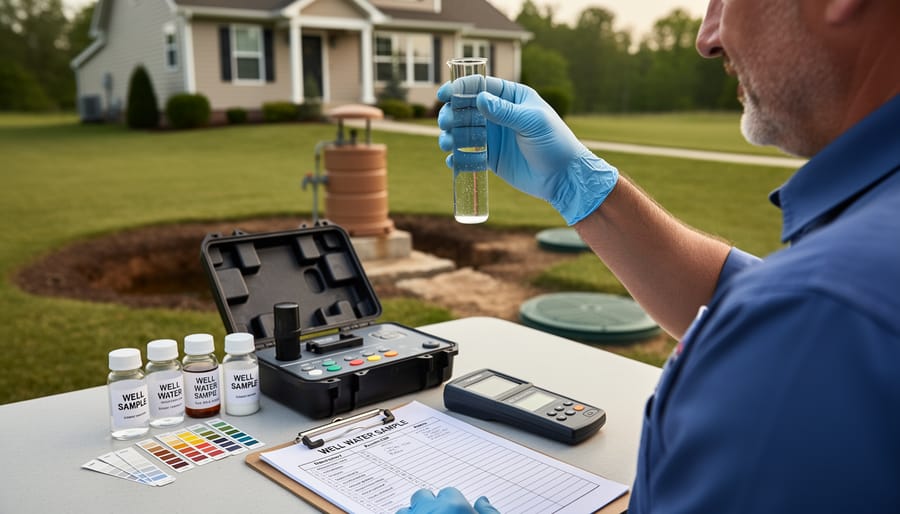
Testing Your Water After System Failure
After a septic system failure, testing your well water becomes essential to protect your family’s health. Septic emergencies can allow harmful bacteria, viruses, and chemicals to seep into groundwater, potentially contaminating your drinking water supply. This risk increases significantly if your well is located within 100 feet of your septic system.
Following standard water testing procedures, you should test for coliform bacteria, E. coli, nitrates, and nitrites within 24-48 hours of a septic emergency. These contaminants are common indicators of sewage contamination and pose serious health risks. Consider also testing for phosphates and household chemicals that may have entered your system.
If contamination is detected, immediately switch to bottled water for drinking and cooking. Treatment options include UV purification systems, reverse osmosis filtration, or chlorination, depending on the specific contaminants found. A professional water quality specialist can recommend the most effective eco-friendly solution for your situation. Many modern systems now offer sustainable, energy-efficient designs that protect both your family and the environment while ensuring long-term water safety.
Maintenance Schedule to Avoid Future Crises
Regular maintenance is your best defense against septic emergencies and protects both your system and local water quality. Most households should pump their septic tanks every three to five years, though this varies based on household size, tank capacity, and water usage. Larger families or homes with garbage disposals may need more frequent service every two to three years.
Schedule professional inspections annually to catch minor issues before they become crises. During these checkups, technicians assess sludge levels, check for leaks, and examine drain field health. This proactive approach saves money and prevents contamination that threatens groundwater protection.
Adopt eco-friendly septic practices to extend your system’s lifespan. Use biodegradable, phosphate-free cleaning products that won’t disrupt beneficial bacteria. Reduce water consumption through low-flow fixtures and efficient appliances, which decreases strain on your system. Never flush medications, chemicals, or non-biodegradable items that harm septic function.
Keep detailed maintenance records including pump dates, inspection findings, and any repairs. This documentation helps identify patterns and ensures timely service. Consider setting calendar reminders eighteen months before your next scheduled pumping as a planning buffer. Preventive care aligns with sustainable living principles while safeguarding your family’s health and the environment.
Being prepared for septic emergencies isn’t just about protecting your property—it’s about safeguarding your household water quality and the environment around you. A failing septic system can quickly contaminate groundwater, affect nearby wells, and create health hazards for your family and community. By understanding what constitutes an emergency, knowing how to respond quickly, and maintaining your system proactively, you’re taking responsible steps toward sustainable homeownership.
Remember that prevention is always more cost-effective than crisis management. Regular pumping every three to five years, mindful water usage, and avoiding harsh chemicals can dramatically reduce your risk of emergency situations. Keep contact information for reliable emergency septic services readily available, and consider scheduling routine inspections to catch problems before they escalate.
Your septic system plays a crucial role in protecting local water resources. When you invest in proper maintenance and respond promptly to warning signs, you’re contributing to cleaner groundwater, healthier ecosystems, and a more sustainable living environment. Take action today by creating your emergency response plan and committing to responsible septic care—your home, your water, and your community will benefit for years to come.