Test your well water annually even if it looks, smells, and tastes normal—most dangerous contaminants like bacteria, nitrates, and arsenic are completely invisible to human senses. Schedule testing immediately after installing a new well, when a family member experiences unexplained gastrointestinal illness, or if nearby industrial activity, agricultural operations, or septic system failures could affect your water source.
Order a comprehensive test panel from a state-certified laboratory rather than relying on basic home test kits, which miss critical contaminants like volatile organic compounds, heavy metals, and pesticides. Your local health department often provides low-cost testing services and can recommend certified labs that meet EPA standards. Request testing for total coliform bacteria, nitrates, pH levels, hardness, iron, manganese, and any region-specific concerns like radon or uranium based on your geological area.
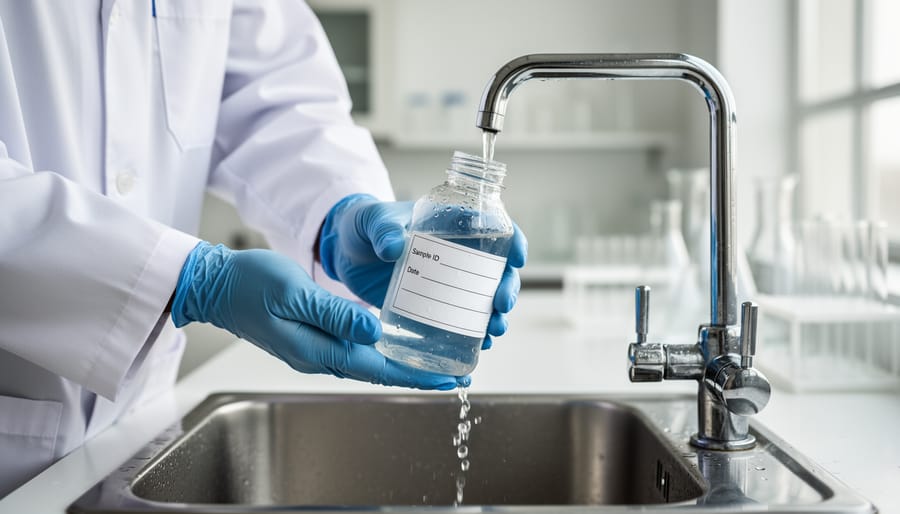
Collect water samples following exact laboratory protocols—typically running the tap for several minutes, using sterile containers, and delivering samples within specified timeframes to ensure accurate results. Improper collection techniques can introduce outside contamination or allow bacterial growth that skews findings.
Understanding your water quality isn’t just about health protection; it’s about taking control of what enters your home and body every day. Well water remains unregulated by municipal standards, placing the responsibility squarely on your shoulders as the homeowner. The small investment in regular testing prevents costly health issues, protects your family from silent threats, and guides you toward effective treatment solutions when problems emerge. Knowledge transforms uncertainty into actionable solutions for safer, cleaner water.
Why Well Water Testing Isn’t Optional
The Contaminants You Can’t See, Smell, or Taste
The greatest danger in well water isn’t what you can detect with your senses, but what remains completely invisible. Unlike cloudy water or a sulfur smell that immediately alert you to problems, the most serious contaminants operate in stealth mode, entering your body with every seemingly clean glass of water.
Harmful bacteria like E. coli and coliform can infiltrate your well through surface runoff, failed septic systems, or compromised well casings. These microscopic organisms cause no change in appearance or taste, yet they’re responsible for thousands of waterborne illnesses annually.
Nitrates, primarily from agricultural fertilizers and septic tanks, dissolve completely in water without altering its look, smell, or flavor. They’re particularly dangerous for infants and pregnant women, interfering with oxygen transport in the bloodstream.
Heavy metals including arsenic, lead, and mercury lurk undetected in groundwater, leaching from natural deposits or industrial contamination. Long-term exposure to these invisible threats accumulates in your body, potentially causing serious health issues years down the road.
Volatile organic compounds from fuel tanks, pesticides from farming operations, and PFAS chemicals from industrial sources round out the roster of undetectable hazards. Without laboratory testing, you’re essentially drinking blind, trusting water that may harbor significant risks to your family’s health.
How Often Should You Actually Test?
Establishing a regular testing schedule protects your family’s health without creating unnecessary expense. At minimum, conduct comprehensive water testing annually to establish baseline water quality and catch gradual changes that might otherwise go unnoticed. This yearly check serves as your home’s water health report, documenting trends over time.
Beyond routine testing, certain situations demand immediate action. Test promptly after flooding, nearby construction projects, or agricultural activity near your property, as these events can introduce contaminants into groundwater. Additionally, if you notice changes in water taste, odor, or appearance, don’t wait for your annual test.
Life changes also warrant additional testing. When expecting a baby or caring for elderly family members, their increased vulnerability to contaminants makes verification essential. Similarly, test after well repairs, pump replacements, or any work on your water system.
Consider seasonal testing if you live in agricultural areas where runoff patterns change throughout the year. This proactive approach helps you stay ahead of potential contamination rather than reacting to problems. Remember, well water isn’t regulated like municipal supplies, making you responsible for monitoring quality and ensuring your household’s safety through consistent, timely testing practices.
The Most Common Well Water Contaminants Homeowners Face
Bacteria and Microorganisms
Biological contaminants represent one of the most immediate health threats in well water. Coliform bacteria serve as indicator organisms, signaling potential contamination from surface water or sewage. While not all coliform bacteria cause illness, their presence suggests your well may be vulnerable to more dangerous pathogens.
E. coli, a specific type of coliform bacteria, poses serious health risks. This microorganism originates from human or animal waste and can cause severe gastrointestinal illness, particularly in children, elderly individuals, and those with compromised immune systems. Even brief exposure to contaminated water can trigger symptoms like cramping, diarrhea, and vomiting.
These unwelcome guests typically enter wells through several pathways. Cracked well casings or deteriorating well caps create direct access points for surface water carrying bacteria. Heavy rainfall can push contaminated runoff into poorly sealed wells. Nearby septic systems, especially older or failing ones, frequently contribute bacteria through underground seepage. The risk increases if your septic tank sits within 100 feet of your well.
Regular testing for bacterial contamination is essential because these microorganisms can appear suddenly after storms, flooding, or septic system problems. Unlike chemical contaminants that remain relatively stable, bacterial levels fluctuate. Fortunately, bacterial contamination is often the easiest issue to address through well disinfection, proper sealing, or upgraded well caps.
Nitrates and Nitrites
Nitrates and nitrites pose a particularly serious threat to infants under six months old, as these contaminants can cause “blue baby syndrome,” a condition that reduces blood’s ability to carry oxygen. These compounds enter groundwater primarily through agricultural fertilizers, livestock waste, and failing septic systems—making them increasingly prevalent in rural and farming communities.
When organic nitrogen from these sources breaks down in soil, it converts to nitrate, which easily dissolves and travels through soil into well water. Unlike many contaminants you can see, smell, or taste, nitrates and nitrites are completely undetectable without proper testing. This invisible danger makes regular testing essential, especially for families with infants or women who are pregnant.
Agricultural areas face growing nitrate challenges as intensive farming practices and concentrated animal operations expand. Even well-maintained properties can experience contamination from neighboring farms or aging septic systems uphill from your well. The EPA sets the maximum contaminant level at 10 parts per million for nitrates, but some health experts recommend even lower levels for households with vulnerable individuals. Testing annually—or more frequently in agricultural zones—helps protect your family from this preventable health risk.
Heavy Metals
Heavy metals represent some of the most concerning well water contaminants because they pose serious health risks even at low concentrations. These metals enter your water supply through two primary pathways: natural geological sources and human-caused contamination.
Arsenic occurs naturally in certain rock formations and can dissolve into groundwater over time. Long-term exposure increases cancer risk and affects multiple organ systems. Lead typically leaches from old plumbing fixtures, solder, and service lines rather than occurring naturally in groundwater. Even trace amounts can damage children’s developing brains and nervous systems.
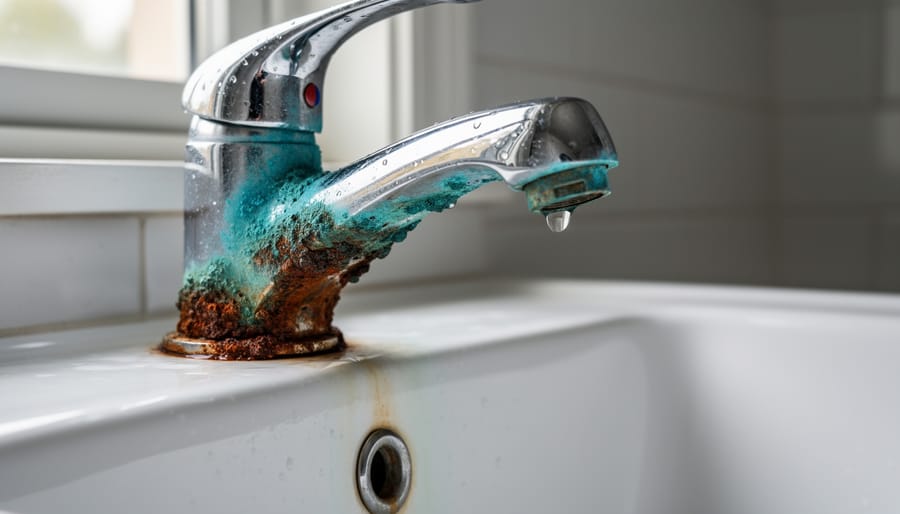
Copper contamination usually comes from corroded copper pipes, especially in homes with acidic water that accelerates pipe degradation. While copper is an essential nutrient in small amounts, excessive levels cause gastrointestinal distress and liver damage. Other problematic metals include mercury, chromium, and cadmium, which may result from nearby industrial activities, agricultural runoff, or natural mineral deposits.
Understanding your local geology helps predict which metals might affect your well. Homes built before 1986 face higher lead risks due to older plumbing materials. Testing for heavy metals requires laboratory analysis, as these contaminants are colorless, odorless, and tasteless, making them impossible to detect without professional evaluation.
Chemical Contaminants
Chemical contaminants represent some of the most concerning pollutants in well water because they’re often invisible, odorless, and can accumulate over time. Agricultural runoff introduces pesticides and herbicides into groundwater, particularly in rural areas near farming operations. These chemicals can disrupt hormone function and pose long-term health risks even at low concentrations.
Volatile organic compounds, or VOCs, include substances like benzene and trichloroethylene that evaporate easily and commonly originate from industrial activities, gas stations, and dry cleaners. Underground storage tanks are frequent culprits for VOC contamination.
PFAS, sometimes called “forever chemicals,” have emerged as a major environmental concern. These synthetic compounds resist breaking down naturally and accumulate in both the environment and human bodies. Found in firefighting foam, non-stick cookware, and water-resistant fabrics, PFAS have contaminated groundwater near military bases, airports, and manufacturing facilities.
Industrial chemicals like solvents and petroleum products can migrate through soil into aquifers, especially in areas with historical manufacturing activity. Testing for chemical contaminants requires specialized laboratory analysis, as standard tests won’t detect these substances. If you live near agricultural land, industrial sites, or former manufacturing areas, comprehensive chemical screening becomes essential for protecting your family’s health.
Minerals and Hardness Issues
While minerals like calcium, magnesium, iron, manganese, and sulfur typically don’t pose serious health risks, they can significantly impact your daily life. These naturally occurring elements create “hard water” that leaves stubborn stains on fixtures, reduces soap effectiveness, and shortens the lifespan of water heaters and appliances. You might notice reddish-brown discoloration from iron, black staining from manganese, or that telltale rotten egg smell from sulfur compounds.
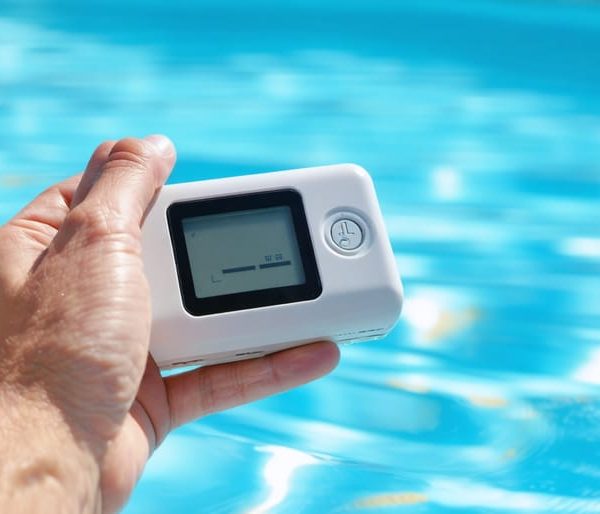
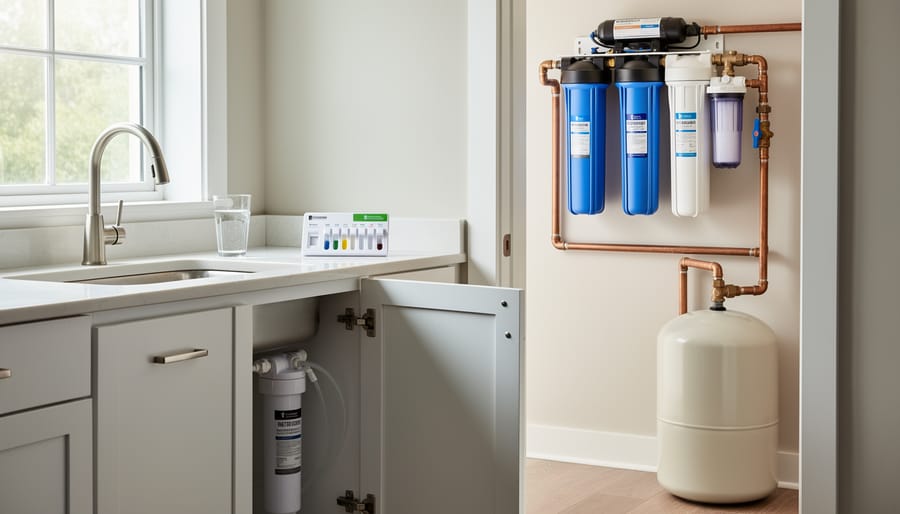
A TDS meter provides a quick initial assessment of total dissolved solids, giving you a snapshot of overall mineral content. However, comprehensive laboratory testing identifies specific minerals and their concentrations. High hardness levels strain household systems and increase energy costs as scale buildup reduces heating efficiency. Modern water softeners and filtration systems offer eco-friendly solutions, with some newer technologies requiring less salt and water waste than traditional models, helping you protect both your home infrastructure and the environment.
Your Well Water Testing Options: From DIY Kits to Lab Analysis
At-Home Test Kits: What They Can (and Can’t) Tell You
At-home water testing offers a convenient starting point for monitoring your well water quality, though understanding what these kits can and cannot accurately measure is essential for making informed decisions about your water safety.
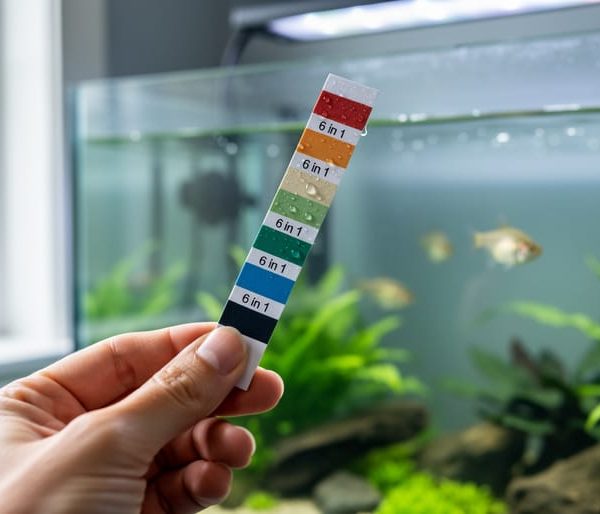
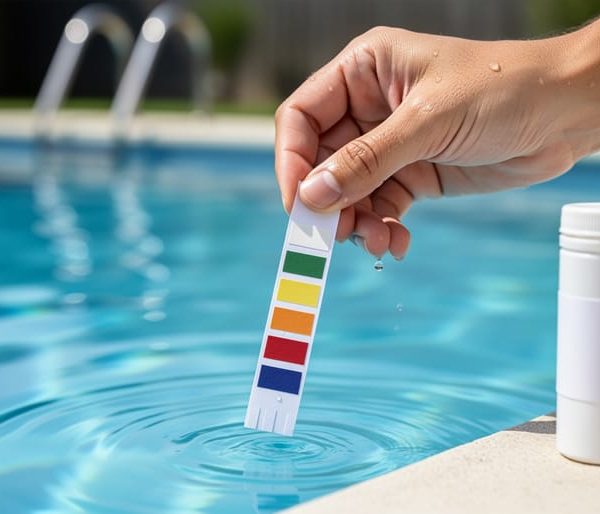
Home water test kits excel at detecting certain basic parameters. Most consumer-grade test strips reliably measure pH levels, water hardness, chlorine, iron, and nitrates. These simple dip-and-read strips provide immediate results and work well for regular monitoring of these common issues. Some moderately priced kits can also detect bacteria presence, though they typically cannot identify specific harmful strains like E. coli versus general coliform bacteria.
However, at-home kits have significant limitations when it comes to more serious contaminants. Heavy metals like lead, arsenic, and mercury require sophisticated laboratory equipment for accurate detection at the low concentrations that still pose health risks. Volatile organic compounds, pesticides, and industrial chemicals similarly cannot be reliably measured with consumer products. The sensitivity of home test strips often falls short of EPA safety thresholds, meaning a “negative” result might still indicate unsafe levels.
For comprehensive well water analysis, professional laboratory testing remains the gold standard. Consider at-home kits as useful tools for routine monitoring between professional tests rather than replacements for certified analysis. They work best for tracking ongoing water conditions and identifying obvious changes that warrant immediate professional investigation, especially for parameters you know have previously tested within acceptable ranges.
Professional Laboratory Testing: The Gold Standard
When home water quality testing kits can’t provide definitive answers, certified laboratory testing becomes essential. This gold-standard approach uses EPA-approved methods and accredited facilities to deliver accurate, legally defensible results that truly protect your family’s health.
Professional labs offer comprehensive testing panels tailored to different concerns. A basic panel typically covers bacteria, nitrates, pH, and common minerals, while expanded options test for heavy metals like lead and arsenic, pesticides, industrial chemicals, and emerging contaminants such as PFAS (forever chemicals). Many labs now include cutting-edge analysis for microplastics and pharmaceutical residues, addressing modern environmental challenges.
The process is straightforward. Labs provide sterile collection bottles with detailed instructions for proper sampling. You’ll collect water following strict protocols to avoid contamination, then ship samples back using provided packaging. Turnaround times typically range from 5-10 business days for standard panels, though rush services are available for urgent situations.
Costs vary based on comprehensiveness. Basic bacterial testing starts around $50-75, while full-spectrum panels examining 100+ contaminants can reach $500-800. Consider this investment against potential health costs and property value impacts.
Lab testing is non-negotiable when purchasing property with well water, after flooding or natural disasters, if pregnant or caring for infants, when illness symptoms suggest waterborne issues, or when home tests show concerning results. This professional analysis provides the detailed information needed to make informed decisions about treatment systems and ongoing water safety.
State and Local Testing Resources
Many homeowners overlook a valuable resource right in their community: state and local government programs that offer affordable well water testing. Your county health department often provides basic water quality testing at significantly reduced costs, sometimes even free for residents. These programs typically screen for the most common contaminants like bacteria, nitrates, and heavy metals.
Cooperative extension offices, which operate through state university systems, are another excellent resource. They often partner with certified laboratories to offer testing packages specifically designed for private wells at cost-effective prices. Extension staff can also help you interpret results and recommend appropriate actions.
To find these services, start by contacting your county health department’s environmental health division. You can also search online for “[your state] cooperative extension well water testing” or visit your state’s environmental protection agency website. Many agencies maintain lists of certified laboratories and testing programs.
Some states even sponsor annual well water testing clinics or educational workshops where you can learn about water quality concerns specific to your region. These events combine community education with accessible testing opportunities, making it easier than ever to protect your family’s water supply while supporting sustainable practices.
How to Collect a Proper Water Sample
The Critical Pre-Collection Steps
Before collecting your well water sample, proper preparation ensures accurate results that truly reflect your water quality. Many homeowners rush this step, inadvertently contaminating their samples or getting misleading readings.
Start by sterilizing your collection tap with a simple household bleach solution—mix one part bleach to ten parts water, wipe the faucet thoroughly, then rinse with clean water. This prevents surface bacteria from skewing your bacterial contamination results.
Next, let your cold water run for at least three to five minutes before collecting the sample. This flushes out stagnant water sitting in your pipes, which may contain higher concentrations of metals or sediment that don’t represent your actual well water quality. Think of it as getting past the “old” water to reach what’s actually coming from your aquifer.
Remove any aerator screens or filtration attachments from your faucet before sampling. These devices can trap particles and bacteria, creating false readings that suggest problems in your well when the issue is actually just a dirty aerator.
Timing matters too. Test after periods of heavy water use or following significant rainfall events in your area, as these conditions can affect groundwater quality and reveal potential vulnerabilities in your well system.
Sample Collection Best Practices
Proper sample collection is essential for accurate test results, as contamination during the collection process can lead to misleading data. Before you begin, contact your chosen laboratory to request the appropriate collection containers. Different tests require specific bottles—bacteriological tests need sterile containers, while chemical analysis may require bottles with preservatives. Never reuse containers or substitute them with household bottles, as residues can skew results.
Start by selecting the right tap. Choose a cold water faucet that connects directly to your well system, avoiding outdoor spigots, water softeners, or filtration systems. Remove any aerator or screen attachment from the faucet. Run the cold water for 3-5 minutes to clear stagnant water from the pipes, ensuring you’re collecting a representative sample from your well.
Before filling, sterilize the tap opening. For bacterial testing, carefully flame the faucet with a lighter for several seconds or wipe it with rubbing alcohol. Let the water run briefly again, then reduce the flow to a gentle stream. Open the sterile container without touching the inside of the cap or bottle rim. Fill to the designated line—typically leaving small headspace—and cap tightly.
Label each container immediately with your name, address, collection date, and time using permanent marker. Some labs provide pre-printed labels. Keep samples cool during transport by placing them in a cooler with ice packs, maintaining temperatures between 35-40°F. Deliver samples to the laboratory within the recommended timeframe, usually 6-24 hours depending on the test type. Delayed or improperly stored samples can yield unreliable results, wasting both time and money.
Reading and Understanding Your Test Results
When Your Results Come Back: What Action is Required?
Once your test results arrive, understanding how to prioritize them is essential. Reputable professional water testing services typically color-code results to help you quickly identify issues.
Red flags requiring immediate action include bacterial contamination like E. coli or coliform bacteria, which indicate sewage or animal waste intrusion. Stop drinking the water immediately and switch to bottled water until you disinfect your well and retest. High nitrate levels above 10 mg/L are especially dangerous for infants and pregnant women. Lead levels exceeding 15 parts per billion also demand urgent filtration or treatment.
Orange alerts needing monitoring include elevated arsenic, manganese, or hardness levels. While not emergency situations, these contaminants warrant installing appropriate filtration systems and conducting follow-up testing in six months to ensure treatment effectiveness.
Green results within EPA guidelines are informational and show your well is currently safe. However, continue annual testing since groundwater conditions can change due to seasonal variations, nearby land use, or aging well components.
Keep all test reports for future reference. They establish baseline data, help track trends over time, and prove valuable if you ever sell your property or investigate emerging water quality concerns.
Next Steps: Treating Contaminated Well Water
Once you’ve identified contaminants in your well water, the good news is that effective treatment solutions exist for nearly every issue. The right approach depends on what you’ve found in your water test results.
For bacterial contamination, the most immediate solution is shock chlorination, which involves introducing a concentrated chlorine solution into your well to eliminate harmful microorganisms. However, if bacteria persist, you’ll need to identify and fix the source, whether that’s a cracked well casing or inadequate sealing. Long-term protection comes from installing ultraviolet (UV) purification systems, which use light energy to neutralize bacteria and viruses without adding chemicals to your water.
Chemical contaminants require different strategies. Heavy metals like lead and arsenic respond well to reverse osmosis systems, which force water through ultra-fine membranes that trap dissolved solids. These systems work effectively as either point-of-use devices installed under your kitchen sink or whole-house configurations that treat all your water.
For nitrates, common in agricultural areas, reverse osmosis also proves highly effective. Ion exchange systems offer another solution, swapping out contaminated ions for harmless ones. If your well shows elevated levels of naturally occurring minerals like iron or manganese, water softeners or specialized filtration systems can restore clarity and improve taste.
Volatile organic compounds from nearby industrial sites or fuel spills require activated carbon filters, which absorb these chemicals as water passes through. Advanced oxidation processes represent cutting-edge water innovations that break down persistent contaminants into harmless compounds.
The most practical approach often combines multiple treatment methods. A certified water treatment professional can design a system matching your specific contamination profile, household size, and budget, ensuring every tap delivers safe, clean water for your family.
Testing your well water for contaminants isn’t as overwhelming as it might initially seem. With the right information and resources, you can confidently protect your family’s health and ensure your home’s water supply remains safe for years to come. The investment in regular testing pays dividends that extend far beyond the immediate results, offering peace of mind and preventing potentially serious health issues before they develop.
Taking action today means you’re choosing to be proactive rather than reactive. Whether you start with a basic test kit or schedule a comprehensive laboratory analysis, every step forward is progress toward safer water. Remember that well water testing aligns perfectly with sustainable homeownership practices, as understanding your water quality allows you to make informed decisions about treatment options and conservation efforts.
The knowledge you gain through testing empowers you to make better choices for your household and the environment. Modern testing methods have made the process more accessible and affordable than ever, putting professional-grade water quality analysis within reach of every homeowner. Don’t wait for a problem to arise. Schedule your first test and establish a routine that keeps your water clean, your family healthy, and your property value protected.