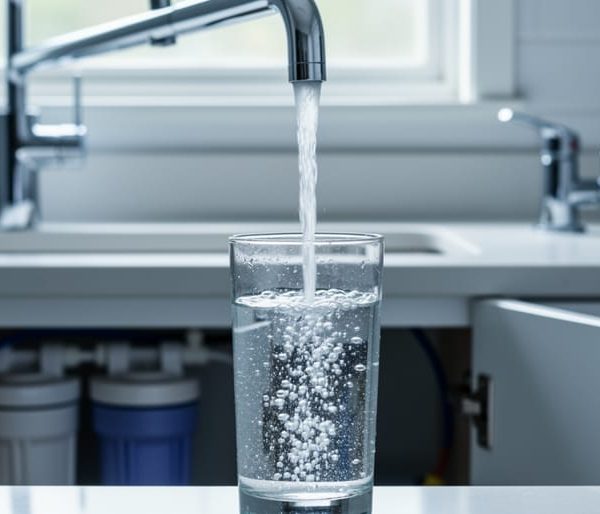
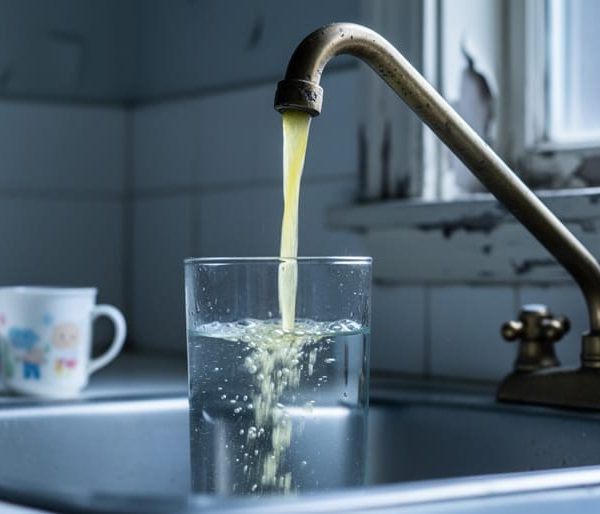
Every glass of water from your tap contains thousands of living microorganisms, and while most are harmless, some pose serious threats to your family’s health. Unlike chemical contaminants in tap water, these microscopic invaders can multiply rapidly in your plumbing system, turning supposedly safe drinking water into a source of gastrointestinal illness, respiratory infections, and long-term health complications.
The reality is sobering: bacteria like E. coli and Legionella, parasites such as Giardia and Cryptosporidium, and various viruses regularly bypass aging municipal treatment systems. Even homes connected to well-maintained public water supplies face risks from biofilm buildup in household pipes, cross-contamination events, and treatment failures during heavy rainfall or infrastructure repairs. For families with young children, elderly members, or anyone with compromised immunity, these microbial threats demand immediate attention.
Understanding which microbes lurk in your water supply represents the first step toward protection. The second involves recognizing warning signs like unexplained digestive issues, recurring low-grade fevers, or cloudy tap water. The third requires implementing proven filtration strategies that physically remove or destroy these pathogens before they reach your glass.
This comprehensive guide demystifies the microbial landscape of drinking water, explains the genuine health risks without unnecessary alarm, and equips you with practical solutions to safeguard your household’s most essential resource.

What Are Microbial Pathogens and Where Do They Come From?
The Three Main Types of Water Microbes
Understanding the microbes that can appear in your drinking water starts with knowing the three main categories: bacteria, viruses, and parasites. Each type differs in size, structure, and the health concerns they present.
Bacteria are single-celled organisms that you’ll find just about everywhere, including water sources. While many bacteria are harmless or even beneficial, some can cause illness. Common examples in drinking water include E. coli, which can indicate fecal contamination, and Legionella, which thrives in warm water systems like hot water heaters. Bacteria are relatively large microorganisms, making them easier to filter out compared to other types.
Viruses are much tinier than bacteria and require a host to survive and multiply. Think of them as microscopic hitchhikers that can’t reproduce on their own. In water, you might encounter norovirus, which causes stomach flu symptoms, or hepatitis A. Their small size makes viruses particularly challenging to remove through basic filtration methods.
Parasites are larger organisms that live off a host. The most well-known waterborne parasites include Giardia and Cryptosporidium, both of which form protective shells called cysts that help them survive in water for extended periods. These cysts are resistant to chlorine disinfection, which is why even treated municipal water can occasionally harbor them.
Understanding these distinctions helps you make informed decisions about protecting your household water supply with appropriate filtration technology suited to each microbial threat.
How These Microbes Enter Your Water Supply
Understanding how microbes infiltrate your drinking water helps you protect your home more effectively. Several contamination pathways can compromise the quality of water flowing from your tap, many of which occur before water even reaches your property.
Treatment plant failures represent one significant entry point. When filtration systems malfunction or disinfection processes fall short, harmful bacteria and parasites can slip through. These lapses, while uncommon, demonstrate why home filtration provides an important safety backup.
Environmental factors also play a major role. Heavy rainfall and flooding can overwhelm water treatment facilities, allowing runoff containing animal waste and soil-borne pathogens to enter water sources. Agricultural areas near reservoirs introduce additional risks through fertilizer and livestock contamination.
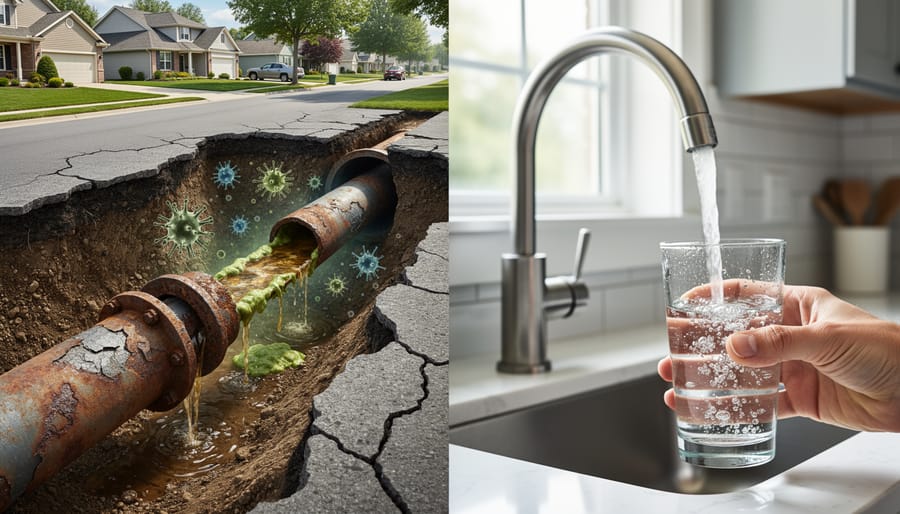
The journey from treatment plant to your faucet presents numerous vulnerability points. Cracked pipes, corroded joints, and pressure fluctuations create opportunities for microbes to enter the distribution system. These aging infrastructure issues affect millions of American homes, particularly in older neighborhoods where pipes haven’t been replaced in decades.
Even your home’s internal plumbing can harbor microbial growth. Biofilms—sticky layers of bacteria—develop inside pipes and fixtures, especially in low-flow areas or rarely used taps. Water heaters set below optimal temperatures can become breeding grounds for certain bacteria.
Cross-contamination events, though rare, occur when backflow from irrigation systems or other sources reverses into drinking water lines. This highlights why understanding your complete water system matters for comprehensive protection.
The Most Common Microbial Threats in Household Water
E. coli and Coliform Bacteria: The Warning Signs
Coliform bacteria serve as important indicator organisms in water testing—they don’t always make you sick themselves, but their presence signals that your water may be contaminated with fecal matter and potentially dangerous pathogens. Think of coliforms as the canary in the coal mine for water safety. These bacteria naturally live in the intestines of humans and animals, so finding them in your drinking water means sewage, agricultural runoff, or animal waste has somehow entered your water supply.
While most coliform bacteria are harmless, certain strains of E. coli pose serious health threats. Pathogenic varieties like E. coli O157:H7 can cause severe gastrointestinal illness, including bloody diarrhea, intense stomach cramps, and potentially life-threatening kidney failure, especially in children, elderly individuals, and those with compromised immune systems. Even brief exposure to contaminated water can lead to illness.
Public water systems regularly test for coliform bacteria, but if you rely on a private well, testing becomes your responsibility. Home filtration systems with ultraviolet purification or reverse osmosis technology effectively eliminate these bacterial threats, providing an important safety layer for your household water supply.
Parasites That Survive Standard Water Treatment
While standard chlorine treatment effectively eliminates most bacteria and viruses in municipal water supplies, certain parasites have developed protective shells that allow them to slip through these conventional safeguards. Cryptosporidium and Giardia are the most common culprits, and they pose unique challenges for homeowners concerned about water safety.
These microscopic parasites protect themselves with tough outer shells called cysts or oocysts, which act like tiny protective bubbles. Think of them as wearing armor that shields them from chlorine’s disinfecting effects. Even the chlorine levels used in city water treatment plants often can’t penetrate these barriers, allowing the parasites to survive the journey through your pipes and into your glass.
What makes these parasites particularly concerning is their ability to cause significant digestive issues. Cryptosporidium and Giardia infections can lead to weeks of stomach cramps, diarrhea, nausea, and dehydration. Young children, elderly individuals, and those with compromised immune systems face even greater risks from these resilient organisms.
The good news is that modern filtration technologies offer reliable protection. Systems using reverse osmosis or filters certified to remove particles as small as one micron can effectively capture these parasites before they reach your tap, providing an essential safety layer beyond standard municipal treatment.
Viruses and Bacteria Lurking in Plumbing Systems
Your home’s plumbing system can harbor dangerous microbes, particularly in areas you might overlook. Legionella bacteria thrive in warm, stagnant water between 77°F and 108°F, making water heaters, showerheads, and rarely-used faucets prime breeding grounds. When you inhale mist from contaminated water during a shower, these bacteria can cause Legionnaires’ disease, a severe pneumonia that affects thousands of Americans annually.
Other concerning microbes include Pseudomonas aeruginosa and Mycobacterium avium, which form protective biofilms inside pipes and fixtures. These organisms particularly affect people with weakened immune systems. To minimize risk, flush infrequently-used taps weekly, set your water heater to at least 140°F, and regularly clean showerheads and faucet aerators. Installing point-of-use filters provides an additional protective barrier, especially important if your household includes young children, elderly residents, or anyone with compromised immunity.
Real Health Risks: What These Microbes Do to Your Body
Symptoms You Shouldn’t Ignore
Most waterborne illnesses start with digestive symptoms, but knowing when to seek medical attention is important for protecting your family’s health. If you or someone in your household experiences persistent diarrhea lasting more than two days, especially if it’s bloody or accompanied by severe abdominal cramping, it’s time to contact your healthcare provider. Dehydration is another serious concern—watch for extreme thirst, dizziness, decreased urination, or dark-colored urine.
High fever above 101.5°F combined with gastrointestinal symptoms shouldn’t be ignored, as it may indicate a more serious bacterial infection like E. coli or Salmonella. Young children, elderly family members, and anyone with weakened immune systems are particularly vulnerable and should receive medical attention sooner rather than later.
Other warning signs include persistent vomiting that prevents you from keeping liquids down, unusual fatigue or weakness, and symptoms that improve briefly but then return. While many waterborne illnesses resolve on their own within a few days, these more serious indicators suggest your body needs additional support. Remember that prevention through proper water filtration and testing is always easier than treatment, making regular maintenance of your home’s water quality systems an essential part of household health management.
Who’s Most at Risk in Your Household
Certain household members face heightened vulnerability to waterborne microbes due to their developing or weakened immune systems. Young children under five have immature immune defenses, making them particularly susceptible to gastrointestinal infections from bacteria like E. coli and parasites such as Giardia. Pregnant women also face elevated risks, as some microbes can affect fetal development.
Elderly family members, especially those over 65, often have compromised immunity that struggles to fight off pathogens present in tap water. Similarly, anyone with chronic conditions like diabetes, cancer, or HIV/AIDS requires extra caution, as even low levels of microbial contamination can trigger serious illness.
Protecting vulnerable family members starts with understanding these risk factors. If your household includes any of these groups, implementing point-of-use filtration systems becomes especially important. Modern water purification technologies can remove 99.9% of harmful microbes, offering peace of mind for families with heightened health concerns.

How to Know If Your Water Has Microbial Contamination
Visible and Sensory Clues (That Aren’t Always Reliable)
Many homeowners assume cloudy, discolored, or foul-smelling water signals contamination, but this isn’t always accurate. The truth is, harmful microbes like bacteria, viruses, and parasites are often completely invisible and odorless. Crystal-clear water can harbor dangerous pathogens such as E. coli or Giardia without any warning signs.
That said, sensory changes shouldn’t be ignored entirely. Sudden cloudiness might indicate sediment disturbances that could carry microbes, while metallic tastes or sulfur smells may point to plumbing issues creating environments where bacteria thrive. However, relying solely on your senses for water safety is risky. The most concerning microbial threats are undetectable without proper testing. For true peace of mind about what’s flowing from your tap, laboratory analysis and modern filtration technologies remain your most reliable tools for ensuring safe, clean drinking water for your family.
Testing Options for Homeowners
Homeowners have two main options for water quality testing: DIY test kits and professional laboratory analysis. DIY kits are convenient and affordable, typically ranging from $15 to $50, and can detect common indicators like coliform bacteria within 24-48 hours. These home tests work well for routine monitoring and provide quick peace of mind, though they may not identify specific pathogens or contaminants with laboratory precision.
Professional laboratory testing offers comprehensive analysis, identifying specific bacteria, viruses, and parasites with high accuracy. Costs range from $100 to $300 depending on the scope of testing. This option is recommended when you notice changes in water taste, odor, or appearance, after flooding or well contamination events, or if family members experience unexplained gastrointestinal issues.
Consider DIY kits for regular quarterly checks, especially if you have private well water. Opt for professional testing annually, when moving into a new home, or following any potential contamination event. Many laboratories now offer sustainable testing options with minimal packaging waste, aligning with eco-conscious living practices while ensuring your family’s safety.
Protection Strategies: Keeping Microbes Out of Your Drinking Water
Filtration Systems That Remove Microbes
Protecting your household from waterborne microbes requires filtration technology designed to capture or destroy these tiny invaders. Understanding your options helps you choose the right system for your family’s needs.
Reverse osmosis (RO) systems stand as one of the most thorough solutions available. These systems force water through an incredibly fine membrane with pores measuring just 0.0001 microns, small enough to block bacteria, viruses, and parasites while allowing only water molecules to pass through. RO systems typically remove 99% or more of microorganisms, making them excellent for comprehensive water filtration that addresses both biological and chemical contaminants.
UV purification offers a chemical-free approach that destroys microbes without removing them physically. UV light disrupts the DNA of bacteria, viruses, and parasites, rendering them unable to reproduce or cause illness. These systems work quickly and require minimal maintenance, though they work best when paired with a pre-filter to remove sediment that might shield microorganisms from UV exposure.
Ceramic filters feature microscopic pores that physically trap bacteria and parasites. While affordable and long-lasting, most ceramic filters cannot capture viruses due to their extremely small size. They excel at removing larger pathogens and work well in gravity-fed systems.
Ultrafiltration membranes sit between ceramic filters and RO systems in terms of pore size, effectively removing bacteria and parasites while allowing beneficial minerals to remain. These systems require less water waste than RO and maintain faster flow rates.
When choosing a filtration system, consider your local water quality, budget, and specific microbial concerns. Municipal water users might prioritize different features than well owners, who face unique biological risks requiring tailored protection strategies.

Point-of-Use vs. Whole-House Solutions
When protecting your home from waterborne microbes, you’ll encounter two main approaches: point-of-use and whole-house systems. Understanding the difference helps you make the right choice for your family’s needs and budget.
Point-of-use solutions target specific water outlets where you consume water directly. Faucet filters and under-sink systems provide excellent protection for drinking and cooking water at minimal cost. These compact systems are ideal if you’re primarily concerned about what your family drinks, and they’re particularly effective when you rent or have budget constraints. Modern point-of-use filters can remove 99.9% of common pathogens including bacteria, viruses, and protozoa right where you need it most.
Whole-house systems treat all water entering your home, protecting every tap, shower, and appliance. These comprehensive solutions use advanced filtration technology at your main water line, ensuring microbial protection throughout your entire household. While requiring higher upfront investment, whole-house approaches benefit families concerned about shower water quality, provide peace of mind for vulnerable household members, and protect appliances from sediment and microbial buildup.
Consider your water quality test results, household size, and specific concerns when deciding. Many homeowners start with point-of-use protection for drinking water, then expand to whole-house systems as needs grow.
Maintenance Practices That Prevent Microbial Growth
Keeping microbes at bay starts with consistent home maintenance practices. Replace water filters according to manufacturer guidelines—typically every 3-6 months—as old filters become breeding grounds for bacteria rather than barriers against them. Your water heater deserves attention too; set the temperature to at least 140°F to prevent Legionella growth, and flush the tank annually to remove sediment buildup where microbes thrive.
Stagnant water poses significant contamination risks, especially in homes with irregular water use. If you have guest bathrooms or outdoor spigots, run the taps for several minutes weekly to keep fresh water circulating through pipes. Pay special attention to refrigerator water lines and ice makers, which often harbor biofilm when neglected. For properties left vacant during vacations, consider draining the system or having someone run all faucets regularly. These simple habits create an environment where harmful microbes struggle to establish colonies, protecting your family’s health through proactive prevention rather than reactive treatment.
Special Considerations for Well Water Users
If your household relies on a private well, you face unique water quality challenges that municipal water users don’t encounter. Unlike city water systems that follow strict EPA regulations and perform continuous monitoring, private well owners are entirely responsible for their water’s safety—and unfortunately, wells are particularly vulnerable to microbial contamination.
Wells draw water from underground aquifers that can become contaminated through several pathways. Heavy rainfall or flooding can push surface bacteria, viruses, and parasites into your groundwater supply. Nearby septic systems, agricultural runoff, or even wildlife activity can introduce harmful microorganisms like E. coli, Giardia, and Cryptosporidium into the soil surrounding your well. Older or poorly maintained wells with cracked casings or deteriorating seals provide easy entry points for these unwelcome guests.
The EPA strongly recommends testing private wells at least once annually for coliform bacteria—a key indicator of potential fecal contamination. However, you should test more frequently if you notice changes in your water’s taste, odor, or appearance, after any flooding or ground disturbance near your well, or if anyone in your household experiences unexplained gastrointestinal illness.
Beyond routine testing, well owners should consider investing in point-of-use filtration systems designed specifically for microbial threats. Modern UV purification systems offer an eco-friendly, chemical-free solution that destroys bacteria and viruses using ultraviolet light. For broader protection, multi-stage filtration systems combining sediment filters with carbon blocks and UV treatment provide comprehensive defense against both microbes and other contaminants.
Regular well maintenance is equally critical. Schedule professional inspections every few years to check your well casing, cap, and seal integrity. Keep your wellhead area clean and ensure proper drainage away from the well opening. These preventive measures, combined with appropriate filtration technology, give you the control and confidence you need to protect your family’s health.
Understanding the microbes that can inhabit your drinking water is the first step toward protecting your household’s health, and the good news is that effective solutions are well within your reach. While waterborne pathogens present real concerns, you don’t need to feel overwhelmed or helpless. Modern filtration technology has advanced considerably, offering homeowners reliable ways to remove bacteria, viruses, and parasites from tap water right at the point of use.
The key is taking proactive steps rather than waiting for a problem to arise. Start by learning about your local water quality through your municipal reports, then choose filtration methods that address your specific needs. Whether you opt for activated carbon filters, reverse osmosis systems, or UV purification, you’re making a worthwhile investment in your family’s long-term wellness.
Remember that protecting your water doesn’t require expensive overhauls or complicated systems. Simple actions like regular filter maintenance, proper storage practices, and staying informed about water quality advisories make a significant difference. By incorporating these practices into your routine, you’re not just safeguarding against microbes but also embracing a more sustainable, eco-conscious approach to household water management. Clean, safe drinking water is achievable for every home, and your commitment to understanding and addressing microbial concerns puts you firmly in control of this essential resource.