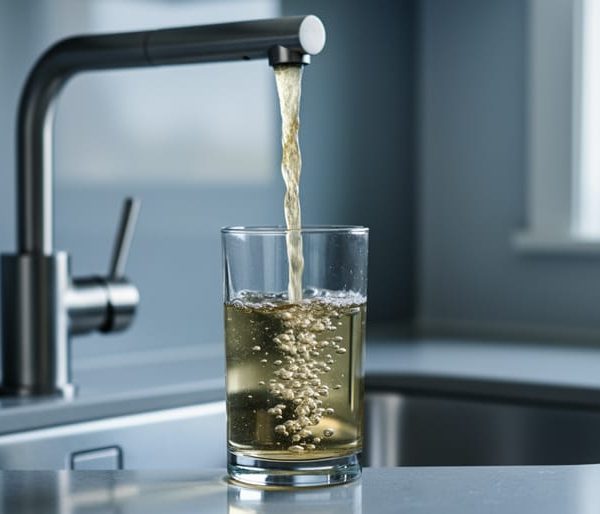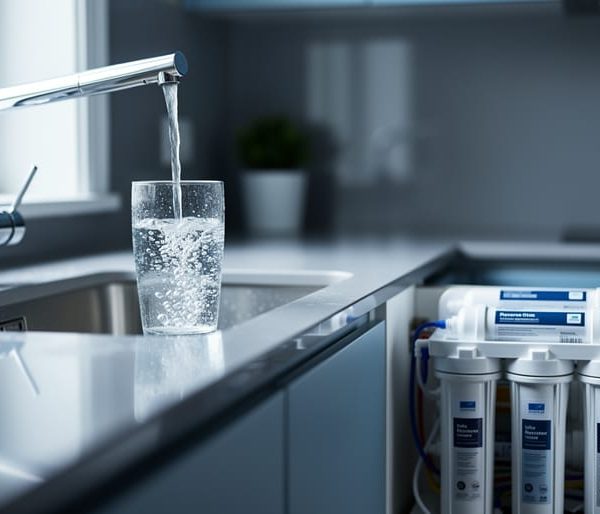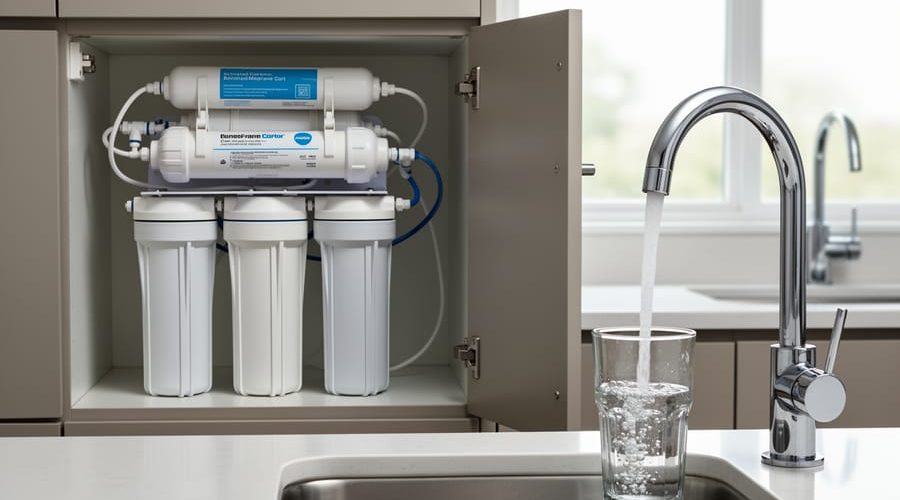
Install a reverse osmosis system with activated carbon filters specifically rated for PFAS removal, as standard pitcher filters won’t capture these microscopic “forever chemicals” that contaminate drinking water across America. Look for NSF/ANSI Standard 53 certification, which guarantees at least 95% reduction of PFOA and PFOS, the most common PFAS compounds linked to cancer, thyroid disease, and developmental issues in children.
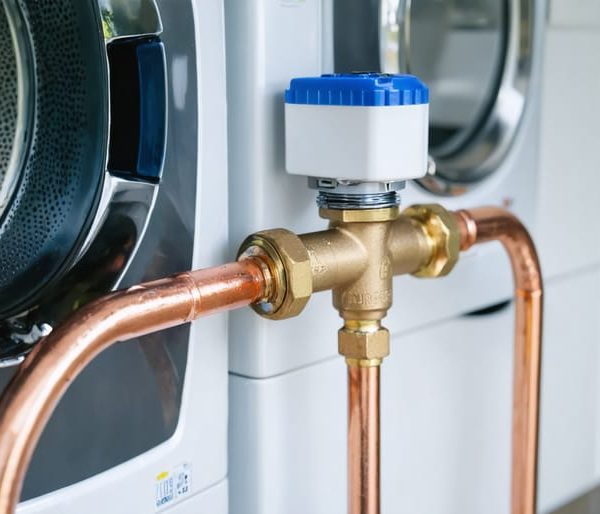
Test your tap water before investing in filtration equipment. Municipal water reports often understate PFAS levels because they measure limited compounds, so order a comprehensive home testing kit that screens for all 12,000-plus PFAS variants. This baseline measurement helps you track filtration effectiveness and determines whether you need point-of-use filters for drinking water alone or whole-house systems if contamination appears in shower and laundry water.
Replace filter cartridges more frequently than manufacturer recommendations when treating PFAS-contaminated water. These persistent chemicals saturate carbon media faster than typical contaminants, reducing filter lifespan by 30-50%. Mark replacement dates on your calendar and monitor water taste changes, as breakthrough contamination often occurs weeks before scheduled maintenance.
Combine multiple water quality enhancement technologies for maximum protection. Pair reverse osmosis with ion exchange resins or high-pressure membranes rated below 0.002 microns, creating redundant barriers that capture PFAS molecules other systems miss. This layered approach matters because PFAS contamination affects over 200 million Americans, yet many remain unaware their water contains chemicals that never break down naturally and accumulate in human tissue over decades of exposure.
What Makes PFAS So Dangerous (And Why Your Current Filter Can’t Stop It)
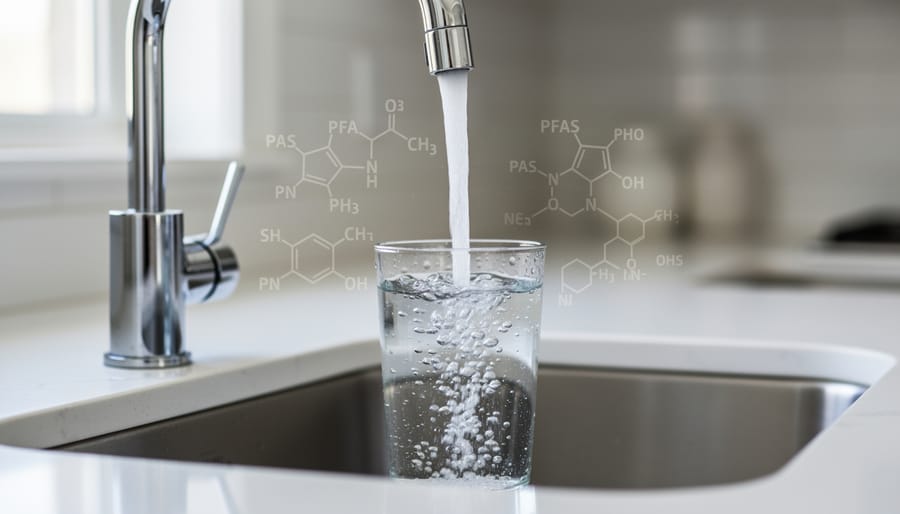
PFAS, or per- and polyfluoroalkyl substances, are a family of thousands of synthetic chemicals used since the 1940s in everything from non-stick cookware to firefighting foam. What makes these chemicals particularly troubling is their molecular structure. Strong carbon-fluorine bonds make them incredibly resistant to breaking down naturally, which is why scientists call them “forever chemicals.” Once PFAS enters the environment, it can persist for decades or even centuries.
These chemicals don’t just stick around in nature—they also accumulate in our bodies over time. Research has linked PFAS exposure to numerous health concerns, including increased cholesterol levels, immune system suppression, certain cancers, thyroid disorders, and reproductive issues. The Agency for Toxic Substances and Disease Registry has found measurable levels of PFAS in the blood of nearly all Americans tested, highlighting how widespread this contamination has become.
Here’s the frustrating reality: your standard water filter probably isn’t protecting you. Conventional carbon filters, while effective for chlorine and improving taste, struggle significantly with PFAS removal. These forever chemicals are so small and chemically stable that they can slip right through traditional filtration media. Even some advanced filters only capture certain types of PFAS while letting others pass through.
Standard reverse osmosis systems perform better but still face limitations. Many residential systems weren’t designed with PFAS in mind, and their effectiveness varies dramatically depending on water pressure, membrane quality, and the specific PFAS compounds present in your water.
The challenge lies in PFAS’s unique properties. These molecules are both water-repelling and water-attracting at different ends, allowing them to move through filtration barriers that stop other contaminants. Their incredibly small size—measured in nanometers—means they require specialized filtration technologies specifically engineered to trap and hold these persistent pollutants. Understanding this limitation is the first step toward finding solutions that actually work for your home.
The Three Breakthrough Technologies Changing PFAS Removal
Advanced Activated Carbon with Ion Exchange
Traditional activated carbon filters have long been a household staple for improving water quality, but PFAS molecules present a unique challenge. These forever chemicals are small, highly stable, and stubbornly resistant to standard filtration methods. That’s where next-generation technology makes a meaningful difference.
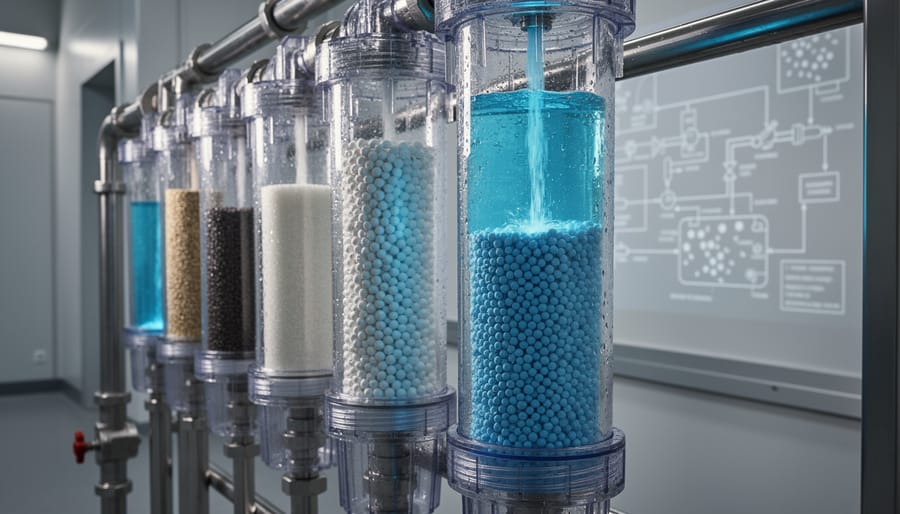
Advanced PFAS filtration systems combine conventional activated carbon with specialized ion exchange resins, creating a powerful two-pronged approach. The activated carbon component works by trapping contaminants through adsorption, where particles stick to the carbon’s porous surface. Meanwhile, the ion exchange resin specifically targets PFAS molecules by swapping out harmful compounds for harmless ions.
Think of it as a tag-team system: the carbon catches a broad range of impurities, while the ion exchange resin zeroes in on PFAS molecules with precision. This dual-action technology is particularly effective because different PFAS compounds have varying molecular structures. Some respond better to carbon filtration, while others are captured more efficiently through ion exchange.
For homeowners, this innovation represents a significant breakthrough in making truly clean drinking water accessible. These hybrid systems don’t require complicated installation or professional maintenance, making cutting-edge PFAS protection practical for everyday use. When shopping for filtration solutions, look for products specifically labeled as PFAS-reducing with both activated carbon and ion exchange capabilities.
Reverse Osmosis Systems Enhanced for PFAS
Reverse osmosis has become significantly more effective against PFAS thanks to recent membrane innovations. Modern RO systems now feature tightly woven membranes specifically engineered to capture even the smallest PFAS molecules, including short-chain variants that older technology often missed. These enhanced membranes can remove 90-99% of PFAS compounds, compared to 60-80% removal rates in outdated models.
The key improvement lies in multi-stage filtration approaches. Today’s best-performing systems combine carbon pre-filters to trap larger contaminants, followed by advanced RO membranes that target PFAS at the molecular level, and finally post-filters for additional polishing. This layered strategy ensures comprehensive protection by addressing different contaminant sizes and types throughout the treatment process.
What makes these systems particularly valuable for homeowners is their dual benefit: while targeting PFAS, they simultaneously remove lead, chlorine, pesticides, and other common water pollutants. Installation under your kitchen sink provides point-of-use protection where it matters most—your drinking and cooking water. Though they require periodic membrane replacement, the long-term peace of mind and health protection make modern RO systems a worthwhile investment for households concerned about forever chemicals in their water supply.
Electrochemical Oxidation for Whole-House Protection
One of the most promising innovations in tackling PFAS contamination is electrochemical oxidation, a technology that actually destroys these persistent chemicals instead of simply capturing them. Unlike traditional filters that trap PFAS molecules and create disposal challenges, electrochemical systems use electrical currents to break down PFAS compounds at the molecular level, transforming them into harmless substances.
This breakthrough approach works by passing contaminated water through a specialized reactor where electrodes generate powerful oxidizing agents. These agents attack the carbon-fluorine bonds that make PFAS so stubbornly persistent in the environment. The result is complete mineralization of PFAS molecules into non-toxic byproducts like carbon dioxide and fluoride ions.
For homeowners exploring smart water technology, electrochemical oxidation represents the next generation of whole-house water protection. While still emerging for residential applications, some systems are becoming available for home installation. The technology requires minimal maintenance, produces no filter waste requiring special disposal, and provides a truly sustainable solution by eliminating PFAS rather than relocating them. As these systems become more accessible, they offer homeowners a genuinely eco-friendly approach to achieving PFAS-free water throughout their entire home.
What Homeowners Need to Know Before Choosing a PFAS Filter
Before investing in a PFAS filtration system, homeowners should take several important steps to ensure they’re making the right choice for their specific situation.
The first and most critical step is testing your water. Without knowing your baseline PFAS levels, you’re essentially buying a solution to a problem you haven’t confirmed exists. Many local water utilities provide annual water quality reports, but these may not include PFAS testing or may test less frequently than ideal. Consider purchasing a home water test kit specifically designed to detect PFAS, or hire a certified laboratory to analyze your water. This initial investment, typically ranging from $150 to $400, provides essential information about which contaminants you’re dealing with and their concentration levels.
Once you know what you’re up against, understanding certification standards becomes crucial. Look for filters certified to NSF/ANSI Standard 53 for PFAS reduction, which indicates the system has been independently tested to reduce specific contaminants. Even more specific is the NSF/ANSI P473 standard, developed specifically for PFAS filtration and representing the gold standard in this category. These certifications aren’t just marketing buzzwords but represent rigorous third-party testing that confirms a product actually does what it claims.
Maintenance requirements vary significantly between system types and directly impact long-term effectiveness. Activated carbon filters typically need replacement every 3 to 6 months depending on usage and contamination levels, while reverse osmosis membranes may last 2 to 3 years. Skipping maintenance doesn’t just reduce effectiveness; it can actually allow accumulated contaminants to release back into your water. Factor these ongoing costs into your decision, as the cheapest system upfront often becomes expensive over time.
Cost expectations should reflect the complexity of your chosen solution. Simple pitcher filters with PFAS-reduction capabilities start around $40 to $60 with replacement cartridges costing $15 to $30 every few months. Under-sink systems range from $200 to $600 initially, with annual filter costs of $100 to $300. Whole-house filtration systems represent the most significant investment at $1,500 to $5,000 for installation, plus several hundred dollars yearly for maintenance. While advanced home water systems may seem costly upfront, they provide comprehensive protection and often prove more economical than bottled water over time while supporting sustainable living practices.
The Environmental Impact: Why PFAS Filtration Matters Beyond Your Home
When you install a PFAS filtration system in your home, you’re doing more than protecting your family—you’re participating in a broader environmental solution. Understanding the full lifecycle of these “forever chemicals” helps us make choices that benefit both our households and the planet.
Every time water contaminated with PFAS goes down your drain without filtration, these persistent compounds enter municipal wastewater systems. While treatment plants excel at removing many contaminants, PFAS molecules are notoriously difficult to break down and often pass through conventional processing. This means unfiltered household water contributes to the accumulation of PFAS in rivers, lakes, and groundwater that supplies entire communities.
Home filtration systems act as a first line of defense, capturing PFAS before they reach broader water systems. However, this raises an important question: what happens to the PFAS once it’s trapped in your filter? Proper disposal is critical. Used filters containing concentrated PFAS shouldn’t go into regular household trash where they might leach into landfills. Many manufacturers now offer take-back programs or partner with specialized facilities that can safely handle contaminated materials. Always check with your filter provider about recommended disposal methods.
Your role as an informed consumer extends beyond choosing the right filter. The growing demand for PFAS removal technology is driving innovation in water treatment science. Companies are investing in breakthrough solutions—from advanced carbon formulations to emerging destruction technologies—because consumers like you are asking for them. This market pressure accelerates research and makes effective filtration more accessible and affordable.
By choosing PFAS filtration and disposing of filters responsibly, you’re not just solving a household problem. You’re reducing the overall PFAS burden on water systems, supporting sustainable innovation, and demonstrating that environmental protection starts with individual action. Every filtered gallon represents a small but meaningful contribution to cleaner water for everyone.
Real-World Performance: What Independent Testing Shows
When it comes to PFAS removal, the gap between manufacturer claims and real-world results can be significant. Independent testing provides a clearer picture of what actually works in everyday household settings.
Recent studies by Duke University and the Environmental Working Group revealed that while many filters claim “PFAS removal,” their effectiveness varies dramatically. Activated carbon systems, the most common household option, showed removal rates between 40-73% for common PFAS compounds in independent tests—far from the “99% removal” often advertised. The difference lies in testing conditions: laboratory tests use controlled water with specific PFAS concentrations, while your tap water contains dozens of PFAS variants plus other contaminants that compete for filter capacity.
Reverse osmosis systems consistently performed better in real-world scenarios, with independent testing showing 90-97% removal rates across multiple PFAS types. However, these results assume proper maintenance and timely filter replacement. A Consumer Reports study found that filters used beyond their recommended lifespan saw removal rates drop by 30-50%.
Ion exchange systems, a newer option for PFAS removal, demonstrated promising results in field studies. Testing by NSF International showed sustained removal rates of 85-95% even with varying water chemistry conditions. These systems excel at capturing the charged PFAS molecules that sometimes slip through other technologies.
The takeaway? Look for NSF/ANSI Standard 53 or P473 certification, which requires products to remove specific PFAS compounds under realistic conditions. Pairing effective filtration with water quality monitoring helps you verify performance and know when filters need replacement, ensuring consistent protection for your household.
The good news is that protecting your home from PFAS contamination is no longer a matter of uncertainty. While these forever chemicals present a serious concern, proven filtration technologies now exist that can effectively remove them from your drinking water. The key is knowing what to look for and taking informed action.
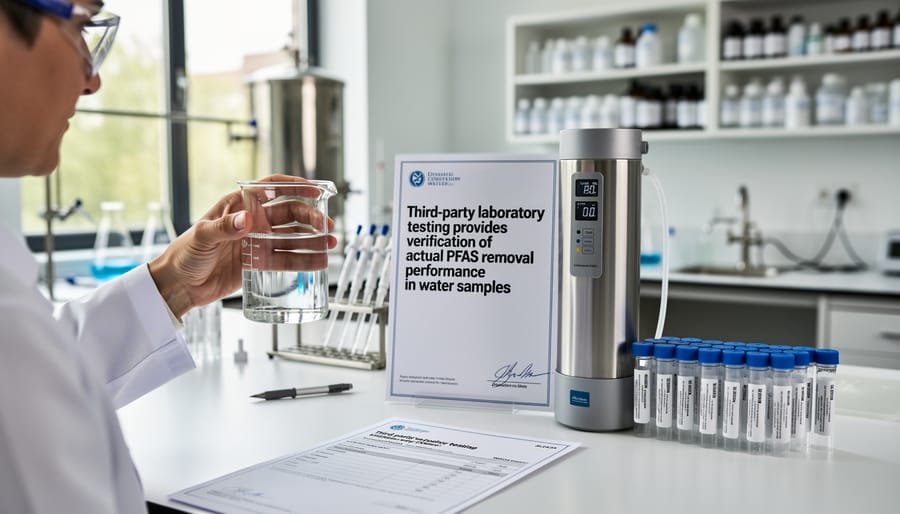
When selecting a water filtration system, certification matters significantly. Look for products tested and certified to NSF/ANSI Standard 53 or NSF/ANSI Standard 58 specifically for PFAS reduction. These certifications ensure the system has been independently verified to remove these contaminants to safe levels. Whether you choose a reverse osmosis system, an activated carbon filter, or an ion exchange unit, certification provides the assurance you need.
Remember that even the most advanced filtration system requires proper maintenance to remain effective. Regularly replacing filters according to manufacturer guidelines isn’t just a recommendation, it’s essential for continued PFAS protection. A neglected filter can lose its effectiveness or, worse, release accumulated contaminants back into your water.
Taking control of your household water quality is an empowering step toward healthier living. By understanding the PFAS challenge and investing in certified filtration technology, you’re making a meaningful difference for your family’s wellbeing. The tools to protect yourself are available and accessible. Now it’s simply a matter of making the informed choice that works best for your home, your budget, and your commitment to clean, safe drinking water.