Every day, millions of American homes unknowingly pour lead, mercury, and arsenic-contaminated water into their children’s cups. Recent EPA data reveals that over 9 million lead service lines still deliver water to U.S. households, while agricultural runoff and industrial discharge continuously introduce heavy metals into municipal supplies. The consequences are severe: neurological damage in children, kidney disease, and developmental delays that often go undetected until irreversible harm occurs.
Traditional water treatment systems struggle to capture these microscopic contaminants effectively. Municipal filtration plants, designed decades ago, weren’t built to handle today’s complex pollution landscape. Meanwhile, aging infrastructure corrodes, leaching additional metals into water as it travels from treatment facilities to your tap.
The solution lies in breakthrough technologies emerging from materials science and nanotechnology labs. Advanced filtration systems now harness graphene oxide membranes, bioengineered adsorbents, and electrochemical separation methods to trap heavy metal particles at the molecular level. These innovations achieve removal rates exceeding 99%, transforming contaminated water into safe drinking supply within minutes.
Understanding these cutting-edge solutions empowers you to make informed decisions about protecting your household water quality. This guide demystifies the latest heavy metal removal technologies, explains how they work in practical terms, and helps you identify which innovations best suit your home’s specific contamination challenges. Clean water isn’t a luxury—it’s a right these innovations can now guarantee.

The Real Threat: Understanding Lead and Heavy Metals in Drinking Water
Where Do These Contaminants Come From?
Understanding where contaminants enter your water supply is the first step toward protecting your home. These unwelcome substances don’t come from just one source—they arrive through multiple pathways that affect millions of households.
Aging infrastructure presents one of the most widespread challenges. Many communities still rely on water pipes installed decades ago, some containing lead that gradually leaches into drinking water as the pipes corrode. This problem intensifies in areas with acidic water, which accelerates the breakdown of protective pipe coatings.
Industrial activities contribute heavy metals through runoff that eventually reaches water treatment facilities. Manufacturing plants, mining operations, and agricultural areas can release copper, arsenic, and other contaminants that make their way into groundwater and surface water sources. Even after treatment, trace amounts may remain.
Natural geological deposits shouldn’t be overlooked either. Certain regions naturally contain higher concentrations of arsenic, uranium, or other minerals in their bedrock. As water moves through soil and rock formations, it can pick up these naturally occurring elements before reaching your tap.
Your home’s own plumbing system might be contributing to the problem too. Houses built before 1986 often contain lead solder in pipe joints, while brass fixtures and faucets can contain small amounts of lead and other metals. Even newer homes aren’t immune if they have copper pipes with lead-based solder or certain types of water heaters.
Understanding your specific risk factors—including your home’s age, local geology, and regional industrial activity—helps you make informed decisions about water treatment solutions.

Health Impacts You Should Know About
Understanding how heavy metals affect our health helps us make informed decisions about protecting our families. Lead exposure, even at low levels, can cause serious developmental issues in children, including learning difficulties, reduced IQ, and behavioral problems. For adults, prolonged exposure may lead to cardiovascular issues, kidney damage, and neurological effects.
Children under six are particularly vulnerable because their developing brains and bodies absorb contaminants more readily than adults. Pregnant women also need special attention, as heavy metals can cross the placental barrier and affect fetal development.
Other common heavy metals in drinking water present their own concerns. Arsenic exposure increases cancer risk and can affect skin, bladder, and lung health. Mercury impacts the nervous system, while cadmium damages kidneys over time. Copper, though essential in small amounts, can cause gastrointestinal distress at higher concentrations.
The good news is that modern water innovation technologies can effectively remove these contaminants before they reach your tap. Regular testing combined with appropriate filtration systems provides reliable protection for your household, giving you peace of mind about your family’s water quality.
Breakthrough Technologies Changing Heavy Metal Removal
Advanced Filtration Materials
Modern water filtration has come a long way from traditional carbon filters. Today’s advanced filtration technologies harness cutting-edge materials that can trap even the tiniest contaminants, including lead and heavy metals that older systems often miss.
Graphene oxide filters represent one of the most exciting breakthroughs in water purification. Think of graphene as an incredibly thin mesh made of carbon atoms arranged in a honeycomb pattern. When modified into graphene oxide, this material creates microscopic channels that allow water molecules to pass through while blocking larger contaminants like lead particles and bacteria. These filters can remove up to 99% of heavy metals while requiring less energy than traditional methods.
Nano-ceramic materials offer another innovative solution. These filters contain billions of tiny pores measured in nanometers, which is about 100,000 times smaller than the width of a human hair. This ultra-fine structure traps heavy metal ions and other contaminants as water flows through, similar to how a sieve catches larger particles while letting liquid pass. The ceramic composition also makes these filters highly durable and resistant to bacterial growth.
Bio-based adsorbents provide an eco-friendly alternative that aligns with sustainable living practices. Made from natural materials like chitosan derived from shellfish or activated biochar from plant waste, these filters work through a process called adsorption. The contaminants essentially stick to the surface of these materials like a magnet attracts metal. They’re particularly effective at removing heavy metals while being completely biodegradable at the end of their lifespan, making them an environmentally responsible choice for conscious homeowners.

Smart Detection and Real-Time Monitoring
Modern sensor technology is transforming how homeowners monitor and protect their water quality. Advanced detection systems can now identify lead, mercury, arsenic, and other heavy metals in real-time, providing instant alerts when contaminant levels exceed safe thresholds. These smart sensors connect directly to your home’s water supply, continuously analyzing water composition and sending data to your smartphone or computer.
What makes this technology particularly valuable is its integration with automated filtration systems. When sensors detect elevated contaminant levels, they can trigger your filtration system to adjust settings automatically, increasing purification intensity without any manual intervention. This proactive approach ensures your water remains safe even when contamination sources change unexpectedly.
Smart home integration takes this protection further by connecting water monitoring to your existing home automation systems. You’ll receive notifications about filter replacement needs, unusual water quality patterns, or potential plumbing issues before they become serious problems. Some systems even track your household’s water usage patterns and optimize filtration accordingly, reducing waste while maintaining safety.
For eco-conscious homeowners, these monitoring systems provide peace of mind while supporting sustainable living. By catching contamination early and optimizing filter performance, you reduce unnecessary filter replacements and minimize environmental impact.
Eco-Friendly Removal Systems
Modern eco-friendly removal systems are transforming how we tackle heavy metal contamination while protecting our planet. Unlike traditional filters that end up in landfills, regenerable filtration systems can be cleaned and reused multiple times, dramatically reducing environmental waste. These innovative filters use special materials that release captured metals when treated with safe cleaning solutions, allowing the same filter to serve your household for years instead of months.
Even more exciting are metal recovery systems that turn contamination into opportunity. These advanced technologies don’t just remove lead, copper, and other heavy metals—they extract them in forms that can be recycled and reused in manufacturing. This closed-loop approach means the metals pulled from your water don’t become hazardous waste but instead get transformed into valuable raw materials.
For homeowners, this represents a win-win solution: cleaner water for your family and a smaller environmental footprint for your home. While these systems may cost slightly more upfront, their longevity and reduced waste make them increasingly affordable and align perfectly with sustainable living goals.
What These Innovations Mean for Your Home
Point-of-Use vs. Whole House Solutions
Choosing between point-of-use and whole-house water treatment depends on your specific needs, budget, and water quality concerns. Each approach offers distinct advantages for removing lead and heavy metals from your home’s water supply.
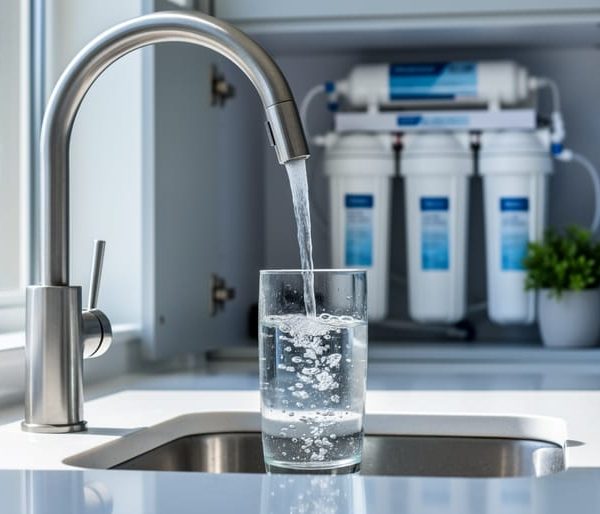
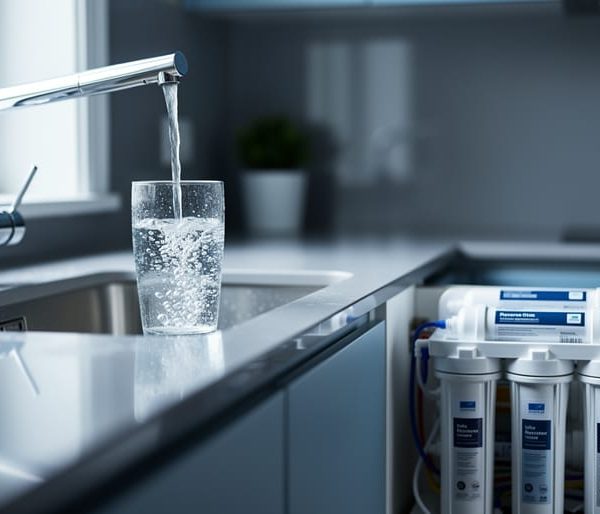
Point-of-use solutions target water at specific outlets where you consume it. Faucet-mounted filters represent the most affordable entry point, typically costing between $20-50, though they filter more slowly and require frequent cartridge replacements. Under-sink systems offer more robust filtration through innovative filtration systems like reverse osmosis or multi-stage carbon blocks, effectively removing heavy metals while maintaining convenient flow rates. These units cost $150-500 and protect your primary drinking and cooking water source.
Whole-house systems treat water at the main entry point, ensuring every tap delivers filtered water. These comprehensive solutions protect appliances from sediment buildup, provide filtered water for bathing, and eliminate the need for multiple point-of-use devices. Installation costs range from $1,000-3,000, but they offer peace of mind throughout your entire home.
For most homeowners concerned about lead and heavy metal exposure, starting with a certified under-sink system for your kitchen provides the best balance of protection and affordability. If testing reveals widespread contamination or you have specific health concerns, investing in a whole-house solution ensures comprehensive protection. Consider your water test results, household size, and budget when deciding which approach best safeguards your family’s health.
Cost and Maintenance Considerations
When considering water innovation systems for lead and heavy metals removal, understanding the financial investment is essential for making informed decisions. While cutting-edge filtration technologies typically require higher upfront costs compared to basic pitcher filters, the long-term value often justifies the initial expense.
Advanced systems like reverse osmosis units generally range from $200 to $600 for whole-home installations, while point-of-use carbon block filters cost between $50 and $200. Traditional options might seem budget-friendly at $20 to $40, but their limited effectiveness against heavy metals and frequent replacement needs can accumulate costs over time.
The real value emerges when examining maintenance requirements and lifespan. Most innovative systems feature filters lasting six months to two years, depending on water quality and household usage. This translates to annual maintenance costs of $100 to $300, which remains competitive when weighed against the health protection they provide.
Consider the hidden costs of not investing in proper filtration. Medical expenses related to lead exposure, particularly for children’s developmental issues, far exceed any equipment investment. Additionally, modern systems are designed for user-friendly maintenance, with many featuring indicator lights or smartphone alerts for filter changes, eliminating guesswork.
When evaluating options, calculate the total cost of ownership over five years rather than focusing solely on purchase price. This approach reveals that innovative systems often deliver better value through superior protection, reduced replacement frequency, and peace of mind knowing your family’s water meets the highest safety standards.
Testing Your Water: Know Before You Filter
Before investing in any filtration system, you need to know exactly what’s lurking in your water. Testing first saves you money and ensures you choose the right solution for your specific contamination concerns.
Start with at-home test kits, which offer a convenient and affordable entry point. These kits typically cost between $20 and $50 and can detect common heavy metals like lead, copper, and mercury. You’ll collect a water sample, add provided reagents or use test strips, and compare color changes to a reference chart. Popular options include kits from brands like Safe Home and First Alert. While these provide quick results, understand that they offer screening-level accuracy rather than laboratory precision.
For comprehensive analysis, professional laboratory testing delivers the most reliable data. Contact your local water utility to see if they offer free or low-cost testing programs. Many municipalities provide this service, especially for lead concerns. Alternatively, send samples to EPA-certified labs, which typically cost $100-$200 but provide detailed reports on multiple contaminants, including exact concentration levels.
Consider testing at multiple points in your home. Water quality can vary between the main line and individual faucets, particularly in older homes where internal plumbing might contribute contamination. Test both cold and hot water, as temperature affects metal leaching from pipes.
Similar to how water monitoring technology helps track usage patterns, regular testing establishes your water quality baseline. Test annually or after any plumbing work, and keep records to track changes over time.
Armed with accurate test results, you can make informed decisions about filtration systems. A water report showing elevated lead requires different technology than one indicating arsenic contamination. This targeted approach ensures your investment addresses actual problems rather than hypothetical ones, making your water safety efforts both effective and economical.

The Future of Heavy Metal Removal
The landscape of heavy metal removal is rapidly evolving, with groundbreaking technologies poised to transform how we protect our water supply. These innovations promise to make clean water more accessible and affordable for homeowners everywhere.
Artificial intelligence is revolutionizing water treatment by enabling real-time monitoring and adaptive filtration. AI-powered systems can detect contamination patterns, predict filter lifespan, and automatically adjust treatment processes to maximize efficiency. These smart water solutions learn from your household’s water usage and quality data, optimizing performance while reducing waste and energy consumption.
Decentralized treatment systems are gaining momentum as alternatives to large municipal plants. These compact, point-of-use devices can be installed directly in homes, providing customized filtration based on local water conditions. Advances in nanotechnology are making these systems smaller, more efficient, and increasingly affordable. Researchers are developing self-cleaning membranes and biomimetic materials inspired by nature’s own filtration systems, which could dramatically reduce maintenance requirements.
Electrochemical treatment methods are emerging as energy-efficient options that use electrical currents to remove heavy metals without harsh chemicals. These systems produce minimal waste and can recover valuable metals for recycling, creating a more circular approach to water treatment.
Regulatory changes are accelerating innovation as well. Stricter standards for lead, chromium-6, and other contaminants are pushing manufacturers to develop better solutions. Many regions are implementing mandatory testing and disclosure requirements, empowering homeowners with information about their water quality.
As these technologies mature and costs decrease, we can expect comprehensive home water management systems that combine multiple treatment methods, provide real-time quality monitoring through smartphone apps, and integrate seamlessly with other home automation systems. The future of water safety is becoming increasingly personalized, intelligent, and accessible.
Protecting your household water from lead and heavy metals is no longer a matter of hoping for the best—it’s about taking informed action with solutions that work. The innovations we’ve explored demonstrate that effective water treatment is becoming more accessible, affordable, and environmentally responsible than ever before. From advanced filtration systems that target specific contaminants to smart monitoring devices that give you real-time insights, today’s technology empowers you to take control of your family’s water quality.
The health benefits of addressing water contamination cannot be overstated. By removing lead and heavy metals from your drinking water, you’re protecting cognitive development in children, supporting cardiovascular health, and reducing long-term disease risks for everyone in your home. These aren’t abstract concerns—they’re real health outcomes that improve when you prioritize clean water.
Remember that taking action doesn’t require perfection. Start with testing your water to understand what contaminants you’re facing. Then choose solutions that fit your budget and lifestyle, whether that’s a simple point-of-use filter or a comprehensive whole-house system. The key is moving forward with knowledge and intention.
As water innovation continues to advance, sustainable and effective options will only become more available. Your investment in water quality today protects your family’s health tomorrow while contributing to a broader commitment to environmental responsibility. Clean water isn’t a luxury—it’s a fundamental right you have the power to secure.