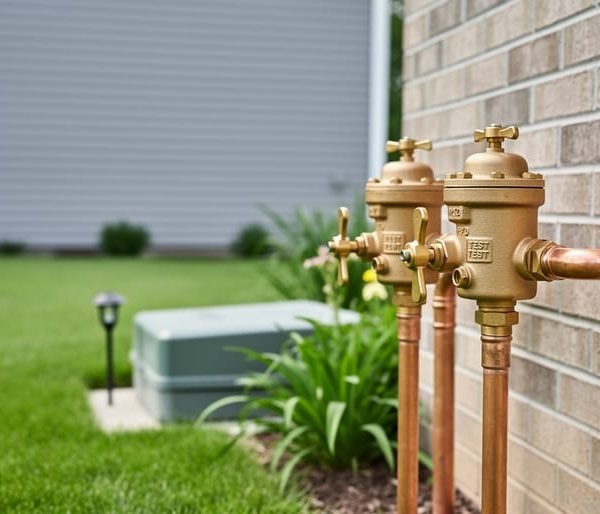
Yes, backflow preventers are required by code in most jurisdictions across the United States. The Uniform Plumbing Code (UPC) and International Plumbing Code (IPC) mandate these devices wherever contaminated water could reverse flow into your clean water supply, threatening your family’s health and your community’s drinking water safety.
Understanding what backflow is helps clarify why these requirements exist: when water pressure drops unexpectedly in municipal lines, dirty water from irrigation systems, boilers, or chemical tanks can siphon backward into the potable water system. This isn’t just a theoretical risk. Backflow incidents have caused serious illness outbreaks when contaminated water entered drinking supplies.
Local building codes determine specific installation requirements based on your property’s risk level. Residential homes typically need backflow prevention on irrigation systems, fire sprinkler connections, and any point where non-potable water sources connect to household plumbing. Commercial properties face stricter mandates due to higher contamination risks from industrial processes or chemical usage.
Your municipal water authority enforces these codes through annual testing requirements and installation permits. Failing to install required backflow preventers can result in fines, water service disconnection, or liability for contamination events affecting neighbors. More importantly, compliance protects your family from exposure to pesticides, fertilizers, bacteria, and chemicals that could enter your drinking water through backflow events.
This guide clarifies which codes apply to your situation and how to ensure full compliance while protecting your household water quality.
What Is Backflow and Why Should You Care?
Backflow is exactly what it sounds like—water flowing in the wrong direction through your plumbing system. In a properly functioning system, clean water flows from your municipal supply into your home through pipes. However, certain conditions can cause this flow to reverse, pulling potentially contaminated water back into the public water supply or your household’s clean water lines.
This reversal typically happens in two ways. Backpressure occurs when water pressure in your home exceeds the pressure in the main supply line—imagine running a high-powered irrigation system or power-washing equipment. Backsiphonage happens when there’s a sudden drop in water pressure, like when firefighters open hydrants or a water main breaks. This negative pressure creates a vacuum effect that can suck contaminated water backward through your pipes.
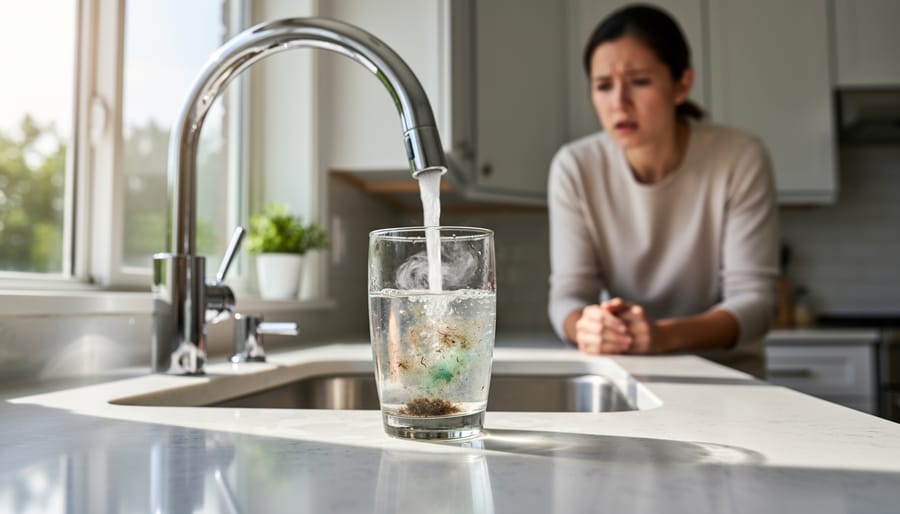
The contamination dangers are more serious than most homeowners realize. Your garden hose submerged in a bucket of fertilizer, a sink filled with soapy water, or even a toilet’s tank connection can become entry points for harmful substances. Without proper protection, pesticides, chemicals, sewage, bacteria, and other pollutants can enter drinking water systems, affecting not just your household but potentially your entire neighborhood’s water supply.
The health risks range from gastrointestinal illness to exposure to toxic chemicals and disease-causing microorganisms. Children, elderly family members, and those with compromised immune systems face particularly serious dangers from contaminated drinking water. This connection between your home’s plumbing and community water safety is precisely why building codes and water utilities take backflow prevention seriously—and why understanding these requirements matters for protecting your family and neighbors.
When Code Requires a Backflow Preventer
Residential Requirements
In residential settings, building codes typically require backflow preventers in several key situations to protect your home’s drinking water from contamination. Understanding these requirements helps ensure your family’s safety while keeping your plumbing system compliant with local regulations.
One of the most common residential applications involves irrigation systems. When you connect lawn sprinklers or garden watering systems to your home’s water supply, contaminated water from fertilizers, pesticides, or stagnant standing water can potentially flow backward into your drinking water. Most jurisdictions require backflow prevention devices on these systems, making them a standard part of responsible yard care that protects both your household and the broader community water supply.
Boiler and heating systems also fall under mandatory backflow prevention requirements in most areas. These closed-loop systems contain water that’s been chemically treated with additives to prevent corrosion and scaling. Without proper backflow prevention, these chemicals could enter your potable water supply, creating serious health risks. The specific type of backflow preventer required depends on whether your system is considered high or low hazard, with higher-risk applications needing more robust protection.
Fire sprinkler systems in homes represent another critical application. While these systems protect your family from fire hazards, the water sitting in sprinkler pipes can become stagnant and contaminated over time. Codes typically require appropriate backflow prevention to ensure this water never reaches your kitchen tap.
Additionally, any connection to auxiliary water sources like wells, rainwater collection systems, or grey water recycling setups will need backflow prevention. These innovative, eco-friendly water solutions require proper safeguards to maintain the integrity of municipal water supplies and prevent cross-contamination between different water sources in your home.
High-Hazard vs. Low-Hazard Applications
Understanding the difference between high-hazard and low-hazard applications is essential when determining which type of backflow preventer your home needs and what your local code requires.
High-hazard situations involve substances that pose serious health risks if they contaminate your drinking water. Think of connections where toxic chemicals, sewage, or other dangerous materials could enter your water supply. Common residential examples include lawn irrigation systems with chemical fertilizer injectors, boiler systems with chemical additives, and swimming pools or hot tubs. Even something as routine as a garden hose submerged in a bucket of pesticides creates a high-hazard cross-connection. Because these scenarios could introduce dangerous contaminants into the public water system, plumbing codes typically require more robust backflow prevention devices, often testable models like reduced pressure zone assemblies.
Low-hazard applications involve connections where contamination might be aesthetically unpleasant or slightly unhealthy, but not immediately dangerous. A garden hose connected to a clean outdoor faucet or a simple lawn sprinkler system without chemical injection typically falls into this category. For these situations, codes usually permit simpler, less expensive devices like atmospheric vacuum breakers or dual-check valves.
The distinction matters significantly for code compliance. Most building codes, following guidelines from the International Plumbing Code and Environmental Protection Agency, mandate specific backflow preventer types based on hazard level. High-hazard connections generally require annual testing by certified professionals, while low-hazard devices may only need visual inspection or replacement after a certain period.
From an eco-living perspective, properly categorizing your home’s water connections and installing appropriate protection helps safeguard not just your household but your entire community’s water resources. It’s a simple yet powerful way to participate in protecting shared environmental assets while meeting legal requirements.
Understanding the Codes: IPC, UPC, and Local Regulations
When it comes to backflow preventer requirements, two major plumbing codes serve as the foundation for regulations across the United States: the International Plumbing Code (IPC) and the Uniform Plumbing Code (UPC). Understanding these codes helps you determine whether your home needs a backflow preventer and what type might be required.
The International Plumbing Code, published by the International Code Council, is used in most U.S. states and many international jurisdictions. The IPC clearly mandates backflow prevention devices in situations where potable (drinkable) water systems connect to potential contamination sources. This includes irrigation systems, water features, fire sprinkler systems, and certain household appliances like dishwashers and washing machines. The code specifies different levels of protection based on the contamination risk, ranging from simple air gaps to testable devices.
The Uniform Plumbing Code, developed by the International Association of Plumbing and Mechanical Officials, is primarily used in Western states. While similar to the IPC in protecting water quality, the UPC sometimes has different specifications for device types and installation requirements. Both codes share the same fundamental goal: preventing contaminated water from flowing backward into your clean water supply and protecting public health.
Here’s what makes this important for homeowners: your local jurisdiction adopts one of these model codes as its baseline, then often adds amendments or modifications based on regional concerns. For example, areas facing drought conditions might have stricter irrigation backflow requirements to protect precious water resources, while coastal communities may have additional rules for saltwater intrusion prevention.
To determine which code applies to your situation, start by contacting your local building department or water utility. Ask which plumbing code they’ve adopted and request information about any local amendments. Many municipalities now post their adopted codes and amendments online, making it easier for homeowners to research requirements before starting projects.
Understanding these codes isn’t just about compliance. It’s about being an informed steward of your home’s water system and contributing to community-wide water safety. When everyone follows proper backflow prevention standards, we collectively protect our shared water infrastructure and ensure clean, safe water reaches every household.
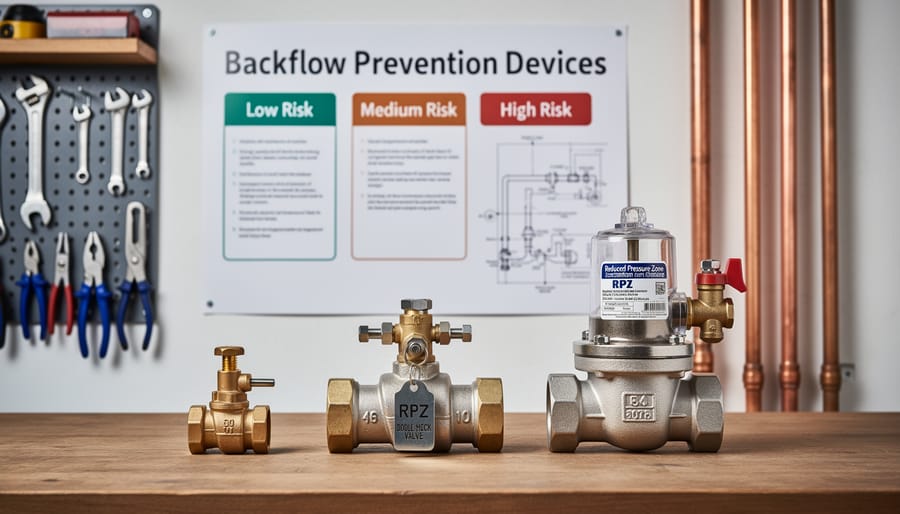
Types of Backflow Preventers and Where They’re Required
Atmospheric Vacuum Breakers
Atmospheric Vacuum Breakers (AVBs) are among the most common and economical backflow prevention devices you’ll find in residential settings. Building codes typically require AVBs on outdoor hose bibs, lawn irrigation systems, and any water outlet where a garden hose might be attached and submerged in potentially contaminated water—think filling a bucket with fertilizer solution or washing your car.
These simple devices work by allowing air to enter the piping when water flow stops, breaking the vacuum that could otherwise pull dirty water back into your clean supply. However, AVBs have important limitations that homeowners should understand. They must be installed at least six inches above the highest downstream water outlet and cannot be used where backpressure conditions exist. This means they’re perfect for your garden spigot but unsuitable for underground sprinkler systems with electric valves or any application where water might flow backward under pressure.
Most local codes mandate AVBs as a baseline protection measure for outdoor water connections, making them a cost-effective way to safeguard your household water quality while protecting the broader community water system from contamination.
Pressure Vacuum Breakers
Pressure vacuum breakers (PVBs) are among the most common backflow prevention devices you’ll find in residential settings, particularly for irrigation systems and outdoor hose connections. These eco-friendly devices work by using air pressure to prevent contaminated water from flowing backward into your clean water supply.
Most plumbing codes require PVBs for any irrigation system that uses chemical fertilizers or pesticides, protecting both your family and the broader community water supply. The Uniform Plumbing Code and International Plumbing Code typically mandate PVBs be installed at least 12 inches above the highest sprinkler head to function properly. This height requirement ensures the vacuum-breaking mechanism operates effectively.
You’ll commonly need a PVB when installing lawn sprinkler systems, garden hose attachments with chemical injectors, or outdoor water features. Many municipalities also require them for commercial applications like car wash facilities or restaurant equipment. While PVBs offer excellent protection for low-hazard situations, they’re not suitable for continuous pressure applications or areas where they might freeze, so understanding your specific needs helps ensure proper compliance and water safety.
Double Check Valves and Reduced Pressure Zone Devices
When your home’s water supply faces serious contamination risks, building codes typically require heavy-duty protection systems. Double check valves and reduced pressure zone devices (RPZ valves) represent the most advanced backflow prevention technology available for residential properties.
Double check valves contain two independent spring-loaded check valves that create redundant protection. If one valve fails, the second provides backup defense against contamination. These devices work well for moderate hazard situations, like lawn irrigation systems or fire sprinkler connections, where non-health hazards could potentially backflow into your drinking water.
Reduced pressure zone devices offer the highest level of protection and are mandatory under most plumbing codes for high-hazard applications. These sophisticated devices include two check valves plus a relief valve positioned between them in a middle chamber. If contaminated water tries to reverse direction, the relief valve automatically opens and discharges water outside, preventing any pollutants from reaching your drinking supply. This fail-safe design makes RPZ valves essential for commercial facilities, medical buildings, or homes with chemical injection systems for water treatment.
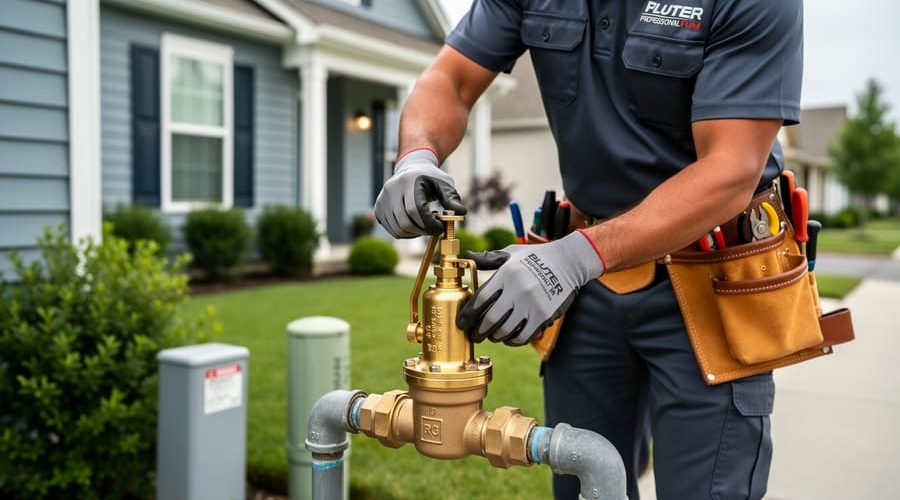
Most local codes require professional installation and annual testing of these devices by certified backflow prevention specialists. The relief valve in RPZ systems may occasionally discharge water, which environmentally-conscious homeowners can capture for garden irrigation rather than wasting. While these systems represent a significant investment compared to simpler atmospheric vacuum breakers, they provide unmatched protection for your family’s health and contribute to community-wide water safety efforts that benefit everyone.
What Happens If You Don’t Comply?
Failing to install a required backflow preventer isn’t just a paperwork issue—it carries real consequences that can affect your health, finances, and access to water. Understanding these risks helps you make informed decisions about compliance.
The most serious concern is contamination of your drinking water and potentially the entire neighborhood’s water supply. Without proper backflow prevention, harmful bacteria, chemicals, pesticides, or other contaminants can flow backward into clean water lines. This creates immediate health risks for your family and could expose you to liability if contamination spreads to neighboring properties through the public water system.
From a legal standpoint, non-compliance can result in significant financial penalties. Most municipalities issue citations with fines ranging from $100 to $500 for initial violations, with daily penalties accumulating until you achieve compliance. Some jurisdictions impose even steeper fines for repeat offenses or situations deemed high-risk.
Your water service itself may be at stake. Many water utilities have the authority to disconnect service for backflow preventer violations, particularly if you refuse to install required devices after receiving notice. Reconnection typically requires both installation of proper equipment and payment of reconnection fees on top of existing fines.
Insurance complications present another concern. If contaminated water causes illness or property damage, your homeowner’s insurance may deny claims when code violations contributed to the incident. This leaves you personally responsible for medical bills, cleanup costs, and potential lawsuits from affected neighbors.
Local building departments may also flag non-compliance during property sales or refinancing, delaying transactions until you address the violation. This creates unnecessary stress and expense during already complex processes.
The good news? Compliance is straightforward and protects everyone. Most installations cost between $300-$1,000 depending on your system’s complexity—a reasonable investment compared to the alternatives.
How to Ensure Your Home Is Code Compliant
Verifying that your home meets backflow preventer code requirements doesn’t have to be complicated. Start by contacting your local water utility or municipal building department to understand the specific regulations in your area. These offices can provide clear guidance on whether your property type, plumbing configuration, or water usage requires a backflow prevention device.
Request a copy of your local plumbing code or backflow prevention ordinance. Many municipalities now make these documents available online, making it easier than ever to research requirements from home. Pay particular attention to sections addressing residential properties, irrigation systems, and any recent code updates that might affect your situation.
Schedule an inspection with licensed plumbers who specialize in backflow prevention. These professionals can assess your current setup, identify any code violations, and recommend appropriate solutions. They understand both state plumbing codes and local amendments, ensuring comprehensive compliance. A qualified plumber can also explain whether your existing backflow preventer meets current standards or needs upgrading.
Consider requesting a backflow test from a certified tester. Most jurisdictions require annual testing of backflow prevention devices, and these specialists maintain detailed records that can verify compliance. Your water utility may offer a list of approved testers in your area.
Document everything related to your backflow prevention system. Keep records of installation dates, test results, maintenance performed, and any correspondence with local authorities. This documentation proves invaluable during property sales, insurance claims, or code enforcement inquiries.
If you discover your home lacks required backflow prevention, address it promptly. Non-compliance can result in fines, water service interruption, or liability issues if contamination occurs. Moreover, proper backflow prevention protects not just your household but your entire community’s water supply, aligning with sustainable living principles that safeguard shared environmental resources for future generations.
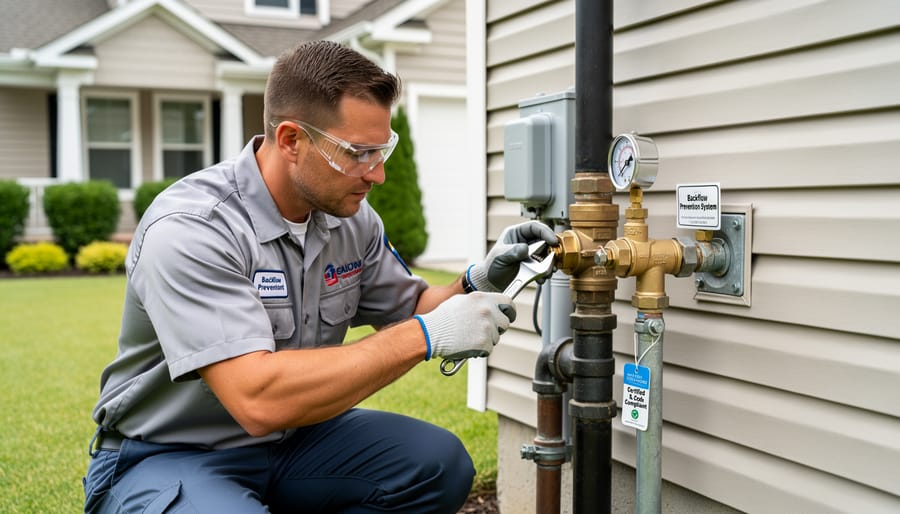
Protecting your home’s water supply isn’t just about following rules—it’s about safeguarding the health of your family and your entire community. Backflow preventers serve as essential guardians against contamination, ensuring that the water flowing from your taps remains clean and safe to drink. While code requirements vary by location and situation, understanding these regulations empowers you to make informed decisions that benefit both your household and the broader water system we all share.
Compliance with backflow prevention codes represents a commitment to environmental stewardship and public health. These devices prevent contaminated water from reversing course and polluting municipal supplies, protecting neighbors, schools, and local ecosystems from potential hazards. As water innovations continue advancing, modern backflow preventers have become more efficient and reliable than ever.
Taking action is straightforward: contact your local building department to understand specific requirements for your property, consult with a licensed plumber for professional assessment, and schedule regular testing to maintain optimal protection. By embracing backflow prevention as part of your eco-conscious lifestyle, you’re investing in sustainable living practices that preserve our most precious resource—clean water—for generations to come. Your proactive approach today creates ripples of positive impact throughout your community’s water infrastructure.