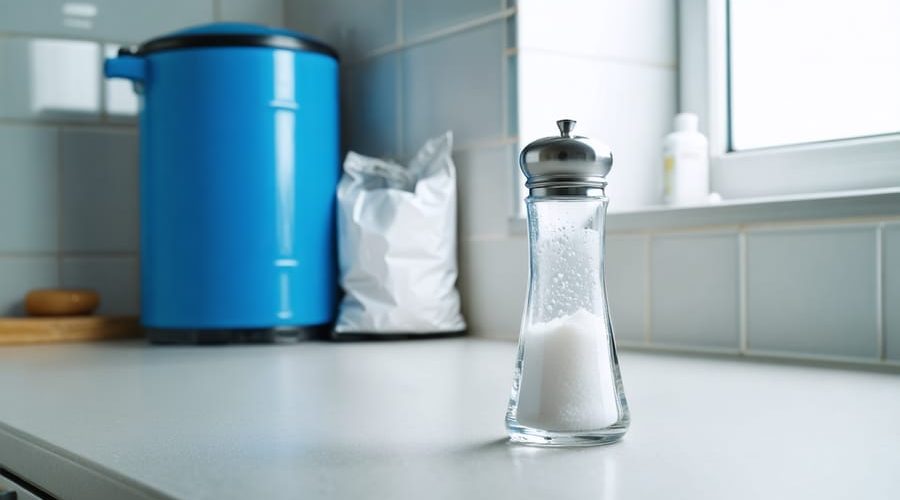
Water softener salt is not safe to eat and should never be consumed intentionally, though small accidental exposures typically cause only minor stomach upset. These industrial-grade salts contain additives, anti-caking agents, and impurities not approved for human consumption, making them fundamentally different from food-grade table salt despite similar chemical compositions.
If a child or pet has ingested water softener salt, contact poison control immediately for guidance, monitor for symptoms like nausea or diarrhea, and provide plenty of water to dilute the substance. While sodium chloride itself isn’t acutely toxic in small amounts, the concentration and additives in softener salt create genuine health risks that demand swift attention.
Understanding what’s actually in your water softener salt matters for household safety. Most softener salts contain evaporated sodium chloride treated with chemical additives to prevent clumping and improve flow through regeneration systems. These same additives that optimize your water treatment equipment make the product unsuitable and potentially harmful for ingestion, even though the base ingredient shares chemistry with kitchen salt. Proper storage away from children, pets, and food preparation areas isn’t just good practice; it’s essential protection for your household while you enjoy the benefits of softened water throughout your home.
What Actually Is Water Softener Salt?
Water softener salt is primarily composed of sodium chloride, the same chemical compound found in your table salt. However, the similarity essentially ends there. While both products share the same basic molecular structure, water softener salt undergoes different processing and maintains varying purity standards compared to the salt you sprinkle on your dinner.
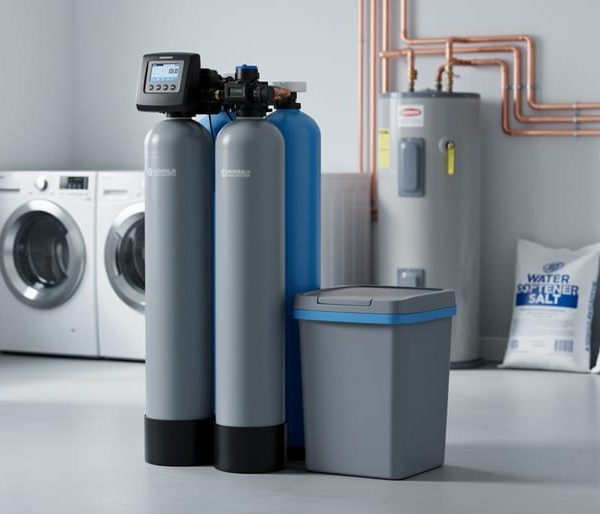
The primary purpose of water softener salt is to facilitate the ion exchange process in your home’s water treatment system. During this process, the salt regenerates resin beads inside your softener tank, enabling them to capture hard minerals like calcium and magnesium from your water supply. This continuous cycle keeps your water soft and protects your plumbing and appliances from scale buildup.
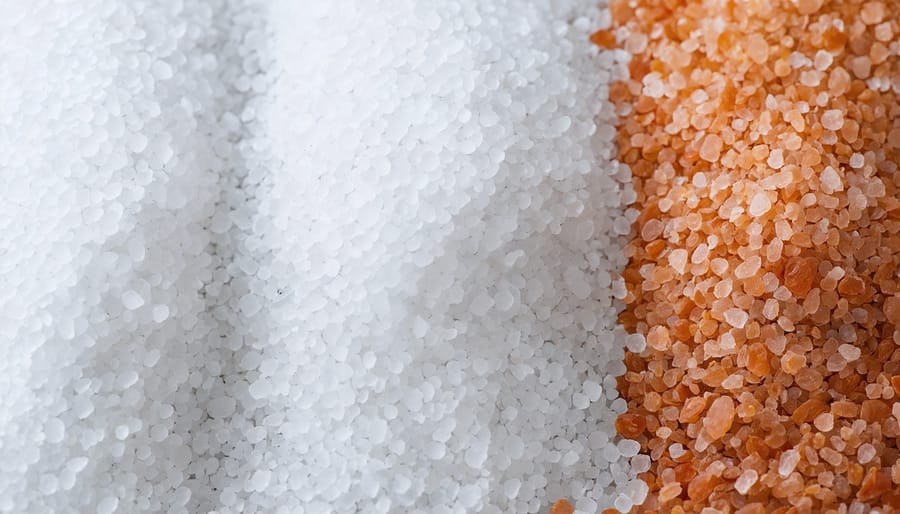
Water softener salt typically comes in three forms: rock salt, solar salt, and evaporated salt. Rock salt, the least pure option, contains more insoluble minerals and sediment. Solar salt results from evaporating seawater in outdoor ponds and offers moderate purity. Evaporated salt, produced through mining and refining processes, provides the highest purity level at 99.99 percent sodium chloride.
Unlike table salt, water softener salt doesn’t undergo the same food-grade processing or quality controls required for human consumption. It may contain trace minerals, anti-caking agents, or impurities that aren’t harmful in water treatment applications but aren’t intended for ingestion. Additionally, water softener salt lacks the iodine fortification commonly added to table salt for nutritional purposes. This fundamental difference in processing standards and intended use is crucial to understanding why these products shouldn’t be used interchangeably.
The Straightforward Answer: Is It Safe to Eat?
Why It’s Not Food-Grade
Water softener salt differs significantly from table salt in how it’s manufactured and monitored. While both contain sodium chloride, the processing standards tell an important story about safety.
Food-grade salt undergoes rigorous purification processes and strict quality control testing to meet FDA standards. Manufacturers must monitor for heavy metals, microplastics, and other contaminants that could harm human health. Every batch receives certification verifying it meets stringent purity requirements, typically 99.9% sodium chloride or higher, with minimal allowable impurities.
In contrast, water softener salt follows industrial-grade manufacturing standards designed for mechanical systems, not human consumption. The purification process is less intensive, and quality control focuses on preventing pipe corrosion and system damage rather than food safety. This means potential contaminants like trace minerals, processing residues, or environmental pollutants may remain present at levels acceptable for water treatment but unsuitable for eating.
Additionally, industrial salt often lacks anti-caking agents approved for food use. Storage facilities and transportation methods for water softener salt don’t require the same sanitary conditions as food products, potentially exposing the salt to industrial chemicals, moisture, or environmental contaminants. These processing differences, while perfectly fine for your water softening system, make this salt inappropriate and potentially harmful for human consumption.
Accidental Ingestion Concerns
If a child or pet accidentally ingests water softener salt, stay calm and assess the situation immediately. Small amounts typically cause minor stomach discomfort, but larger quantities can lead to serious sodium toxicity.
For children, remove any remaining salt from their mouth and offer small sips of water to help dilute the sodium. Do not induce vomiting unless directed by a medical professional. Contact Poison Control at 1-800-222-1222 or your pediatrician right away, even if symptoms haven’t appeared yet. Watch for signs like excessive thirst, nausea, vomiting, or lethargy within the first few hours.
Pets, especially dogs and cats, are more sensitive to sodium poisoning than humans. If your pet consumes water softener salt, contact your veterinarian or the Pet Poison Helpline immediately. Symptoms in animals include excessive drinking, loss of coordination, tremors, or seizures. Quick veterinary intervention is essential for the best outcome.
Prevention is the most effective approach. Store water softener salt in sealed containers in areas completely inaccessible to children and pets, such as locked utility rooms or high garage shelves. Consider childproof locks on storage areas and keep emergency contact numbers readily available near your water softening system for peace of mind.
Types of Water Softener Salt and Their Safety Profiles
Rock Salt: The Least Refined Option
Rock salt represents the most basic form of water softener salt, extracted directly from underground mines with minimal processing. This lack of refinement means it contains the highest levels of impurities, including natural sediments, minerals, and insoluble particles that can range from 1-3% of the total content. While these impurities won’t harm your water softener system, they make rock salt entirely unsuitable for any food-related purposes or consumption. The visible debris and mineral deposits you’ll notice in rock salt are clear indicators of contaminants that should never enter your body. If you’re concerned about accidental exposure, especially with children or pets in your home, rock salt’s cloudy appearance and gritty texture serve as natural deterrents. From an eco-living perspective, rock salt requires less processing energy, but its higher impurity levels mean more frequent system maintenance and potential waste buildup in your brine tank, making it a less efficient choice overall.
Solar Salt: Mid-Range Purity
Solar salt offers a middle ground between rock salt and highly refined options. This type of water softener salt forms through natural evaporation of seawater or saltwater from inland sources in large outdoor ponds. As water evaporates under the sun’s heat, salt crystals gradually form and are harvested once they reach the appropriate size.
The natural evaporation process produces salt with approximately 85-99% purity, making it cleaner than rock salt but not as refined as evaporated salt pellets. You’ll typically find solar salt sold as crystals rather than pellets, and it contains fewer minerals and sediments than rock salt. This moderate purity level means less tank residue in your water softener system compared to rock salt, though more frequent maintenance than premium options.
From a safety perspective, solar salt’s purity level places it closer to food-grade standards than rock salt, though it still lacks the processing and quality controls required for human consumption. Its production method is environmentally friendly, harnessing solar energy rather than relying heavily on industrial processes.
Evaporated Salt: The Purest Choice
Evaporated salt stands out as the premium option in water softener salts, boasting an impressive purity level of 99.99%. This high purity comes from a specialized manufacturing process where brine solution undergoes evaporation, crystallization, and screening to remove nearly all impurities and minerals. The result is exceptionally clean white pellets or crystals that leave minimal residue in your softener system.
This near-perfect purity might seem appealing from a safety standpoint, and it does mean fewer contaminants compared to rock salt or solar salt alternatives. However, there’s an important distinction to understand: purity doesn’t equal food-grade certification. While evaporated salt contains virtually no dirt, clay, or sediment, it still lacks the quality control measures, testing protocols, and manufacturing standards required for human consumption.
The production facilities and packaging processes for water softener salt aren’t held to the same strict food safety regulations as table salt. This means potential exposure to industrial equipment, storage conditions, or handling practices unsuitable for food products. Even at 99.99% purity, water softener salt remains a non-food product designed exclusively for your home’s water treatment system, not your dinner table.
Selecting Safe Water Softener Salt for Your Home
Storage Safety Best Practices
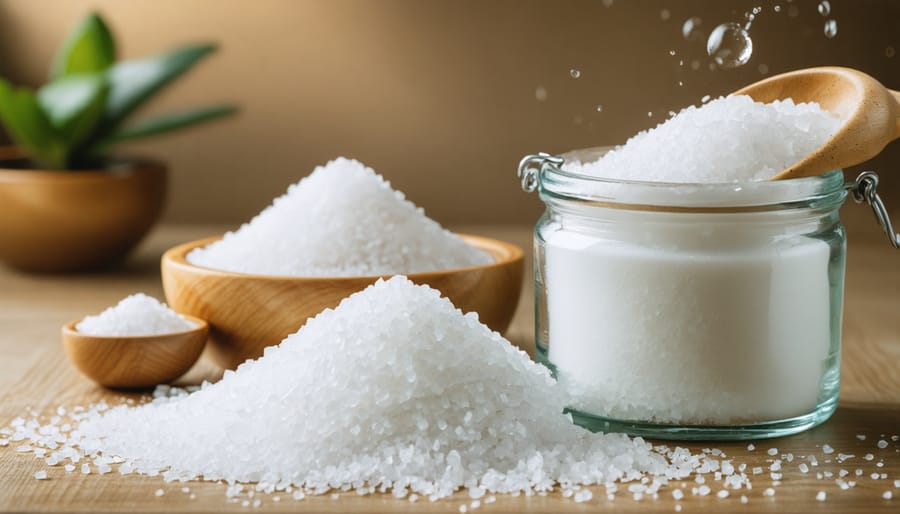
While water softener salt isn’t meant for consumption, proper storage practices protect your household from accidental exposure. Store your salt bags in a dedicated area away from food storage spaces—ideally in a garage, basement, or utility room. This separation prevents any confusion with table salt or cooking ingredients.
Keep salt bags sealed and elevated off the ground to avoid moisture absorption, which can cause clumping and potential contamination. Place them on pallets or shelving units at least six inches above floor level. When choosing products, refer to our guide on best water softener salt for options with secure packaging.
Child and pet safety requires extra attention. Position salt storage in locked cabinets or behind secured doors, as curious children might mistake pellets for candy, and pets could be attracted to the mineral content. Consider installing childproof locks on storage areas.
Clear labeling is essential for household safety. Mark containers with “NOT FOR CONSUMPTION” or “WATER SOFTENER SALT ONLY” using permanent markers or adhesive labels. If transferring salt to secondary containers, always maintain proper identification. These simple precautions create a safer home environment while maintaining your water softening system effectively.
Eco-Conscious Salt Selection
Beyond safety considerations, your choice of water softener salt impacts the environment. Traditional sodium-based softeners release salt-laden wastewater into municipal systems, potentially affecting freshwater ecosystems and complicating water treatment processes. The cumulative effect of millions of households discharging sodium daily adds up significantly.
When selecting water softener salt, consider packaging materials. Some manufacturers now offer recyclable or biodegradable packaging options instead of traditional plastic bags. While this might cost slightly more, it reduces landfill waste and aligns with sustainable household practices.
Potassium chloride presents a greener alternative to traditional sodium chloride salt. Though more expensive, it performs the same water-softening function without adding sodium to your wastewater. Potassium is actually beneficial for plants and soil, making the discharged water less problematic for the environment. However, potassium chloride still contributes salinity to water systems, so it’s not a perfect solution.
For those seeking the most eco-friendly approach, salt-free water softener systems eliminate salt discharge entirely. These systems condition water through different mechanisms like template-assisted crystallization, preventing scale buildup without chemical additions. While they don’t technically “soften” water by removing minerals, they address the primary concern of hard water damage while being genuinely sustainable.
Consider your household’s environmental footprint when making water treatment decisions. Even small changes in product selection contribute to larger conservation efforts and protect local water quality for future generations.
Common Misconceptions About Softened Water and Salt
Many people worry that softened water is unhealthy to drink because of salt content, but this concern stems from a common misunderstanding about how water softeners actually work. Let’s clear up the confusion.
First, it’s important to understand that water softener salt doesn’t flow directly into your drinking water. The salt pellets or crystals remain in the brine tank, where they dissolve to create a saltwater solution. This solution then regenerates the resin beads inside the softener tank, which do the actual work of removing hard minerals like calcium and magnesium from your water.
During the softening process, sodium ions replace the hard minerals, but the amount added is relatively small. For every grain of hardness removed, only about 8 milligrams of sodium is added per liter of water. To put this in perspective, if you have moderately hard water at 10 grains per gallon, your softened water would contain approximately 300 milligrams of sodium per gallon—far less sodium than what’s in a slice of bread.
Another misconception is that softened water tastes salty. In reality, most people cannot detect any taste difference because the sodium levels remain well below the threshold of human taste perception. The Environmental Protection Agency doesn’t regulate sodium in drinking water as a health concern, though individuals on strict low-sodium diets may want to consult their healthcare provider.
If you’re concerned about sodium intake, consider installing a reverse osmosis system at your kitchen tap for drinking and cooking water, or use potassium chloride as an alternative to traditional sodium-based salt. This eco-friendly option works similarly while eliminating sodium addition entirely, making it an excellent choice for environmentally-conscious households seeking healthier water solutions.
While water softener salt isn’t inherently toxic, it’s clearly not designed for human consumption and should be treated accordingly. The key takeaway for homeowners is simple: choose high-purity options that work effectively for your water system while minimizing any potential risks from accidental exposure.
When selecting water softener salt, prioritize products with fewer additives and impurities. This approach not only ensures better performance for your water treatment system but also provides peace of mind for households with children or pets. Remember that proper storage is equally important—keep salt in sealed containers in secure locations away from curious hands and paws.
By combining smart product selection with responsible storage practices, you can enjoy the benefits of softened water while maintaining a safe home environment. This balanced approach aligns perfectly with sustainable living principles, ensuring your household water quality improvements don’t come at the expense of safety or environmental responsibility.