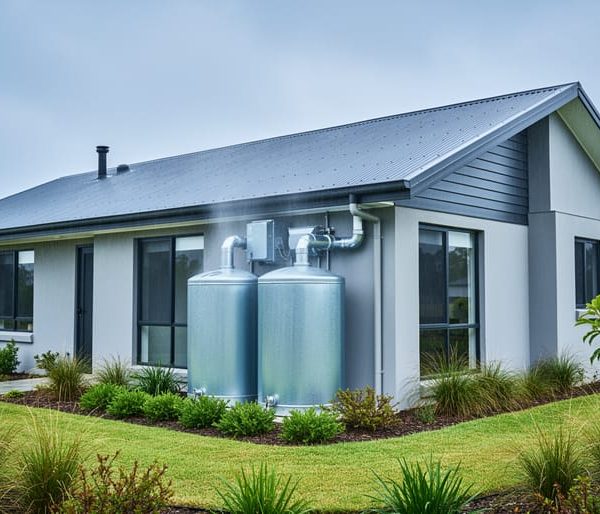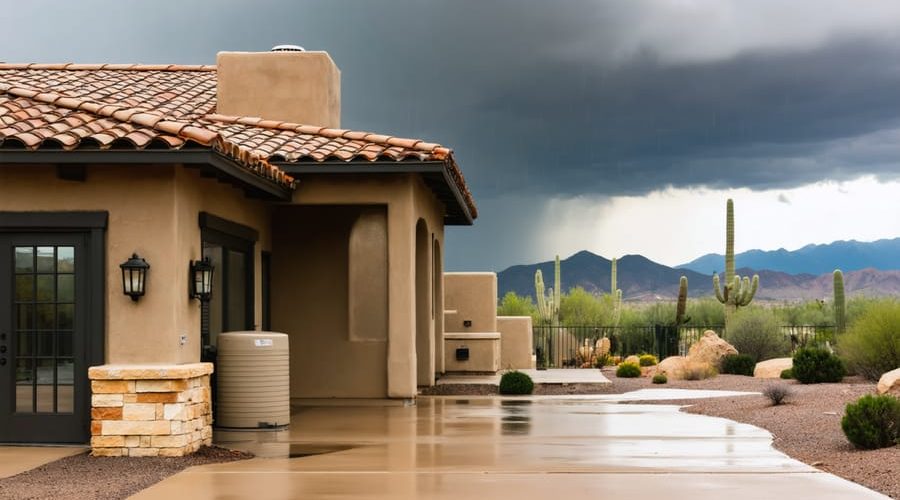
Capture Arizona’s monsoon rains in storage tanks positioned beneath downspouts to collect thousands of gallons during July and August storms—water that would otherwise flood streets and evaporate within hours. Install a 1,000 to 5,000-gallon cistern system with proper filtration to supplement your landscape irrigation needs throughout the state’s nine-month dry season, reducing municipal water bills by 30-50% annually.
Arizona law actively encourages rainwater collection, offering tax incentives and rebates for residential systems while placing no restrictions on rooftop harvesting for personal use. Unlike several western states, you can legally capture and use every drop that falls on your property without permits or water rights concerns, making implementation straightforward for homeowners.
The desert climate creates ideal conditions for rainwater harvesting since Arizona receives concentrated rainfall during predictable monsoon seasons, delivering intense downpours that fill storage systems rapidly. Your average roof collects approximately 600 gallons of water for every inch of rainfall, meaning a typical 2,000-square-foot home can harvest over 20,000 gallons annually even in low-rainfall regions like Phoenix or Tucson.
Understanding rainwater harvesting basics becomes essential for Arizona residents facing increasing water scarcity, rising utility costs, and recurring drought restrictions. Your collected rainwater serves multiple purposes—from landscape irrigation and vegetable gardens to toilet flushing and, with proper treatment, even potable household use. The initial investment typically pays for itself within 5-7 years through reduced water bills while increasing property value and environmental resilience.
Why Arizona Homeowners Should Harvest Rainwater
Arizona’s Water Reality: More Rain Than You Think
Arizona receives more rainfall than most people realize, making rainwater harvesting a surprisingly viable option for homeowners across the state. While the desert stereotype suggests minimal precipitation, the reality varies considerably by region.
Phoenix averages about 8 inches of rain annually, while Tucson receives approximately 12 inches. Northern Arizona sees even more, with Flagstaff collecting around 22 inches per year. The key is that much of this rain arrives concentrated during monsoon season, creating ideal harvesting opportunities when storms deliver significant water volumes in short periods.
Here’s where it gets interesting for your home: a typical 2,000-square-foot roof can capture substantial water even in drier regions. Using a simple calculation, multiply your roof’s square footage by the annual rainfall in inches, then multiply by 0.623 to convert to gallons. In Phoenix, that same roof could harvest approximately 10,000 gallons annually. In Tucson, you’re looking at around 15,000 gallons, while Flagstaff homeowners could collect over 27,000 gallons each year.
To put this in perspective, a family of four uses roughly 400 gallons daily for all household purposes. While rainwater harvesting won’t replace your entire water supply, those thousands of gallons can significantly offset outdoor irrigation needs, reduce water bills, and provide a sustainable backup source. Even in Arizona’s arid climate, your roof represents an untapped water resource that’s literally going to waste with every rainfall.

Financial and Environmental Benefits
Arizona homeowners who invest in rainwater harvesting systems discover significant advantages that extend far beyond simple water conservation. The financial benefits of rainwater collection become especially apparent when considering Arizona’s variable water rates and seasonal demand charges.
By capturing and using rainwater for landscape irrigation, toilet flushing, and outdoor cleaning, typical Arizona households can reduce their municipal water consumption by 30-50%. This translates to annual savings of $200-$800 depending on system size and household usage patterns. In areas with tiered water pricing structures, where costs increase dramatically at higher usage levels, these savings become even more pronounced. Additionally, some Arizona municipalities offer rebates or tax incentives for installing rainwater harvesting systems, helping offset initial installation costs.
Beyond your personal wallet, rainwater harvesting reduces strain on Arizona’s overtaxed municipal water infrastructure. During peak monsoon season and summer months, when water demand surges, decentralized rainwater systems help balance load on treatment facilities and distribution networks. This community benefit becomes increasingly vital as Arizona’s population continues growing while water resources remain limited.
The ecological advantages are equally compelling. Rainwater harvesting dramatically reduces stormwater runoff, which is particularly important in Arizona’s urban areas where flash flooding poses significant risks. When rain falls on impervious surfaces like rooftops and driveways, it typically rushes into storm drains carrying pollutants, debris, and sediment into natural waterways. By capturing this water instead, you prevent erosion, reduce flooding risks, and decrease pollution entering local watersheds. Your harvested rainwater also supports healthier landscapes, as it lacks the chlorine, fluoride, and other treatment chemicals found in municipal supplies, promoting more robust plant growth while supporting sustainable desert living.
Legal Landscape: What Arizona Law Says About Rainwater Harvesting
State Laws and Homeowner Rights
Arizona stands out as one of the most rainwater-friendly states in the nation. Unlike some regions where restrictions limit collection efforts, Arizona has no state-level prohibitions on rainwater harvesting. In fact, the state actively encourages the practice through supportive legislation designed to promote water conservation.
Arizona Revised Statute 48-3604 specifically protects your right to collect rainwater on residential property. This statute prevents homeowner associations from prohibiting rainwater harvesting systems, giving you legal backing if you decide to install collection infrastructure. Additionally, Arizona law includes tax incentives to make these systems more affordable for homeowners.
The state’s progressive stance reflects the reality of living in an arid climate where every drop counts. By embracing rainwater harvesting, you’re not only taking advantage of Arizona’s monsoon season rainfall but also participating in a broader community effort to build water resilience. Local municipalities may have specific guidelines about system installation and plumbing connections, so it’s wise to check with your city or county planning department before beginning your project. This supportive legal environment makes Arizona an ideal place to implement sustainable water collection practices that benefit both your household and the environment.
Local Ordinances and HOA Considerations
While Arizona state law encourages rainwater harvesting, your specific city or town may have additional requirements that affect your system design. Before installing any collection equipment, contact your local building department to inquire about permits, setback requirements, and approved storage tank materials. Some municipalities have guidelines about tank placement, overflow drainage, and mosquito prevention measures that you’ll need to follow.
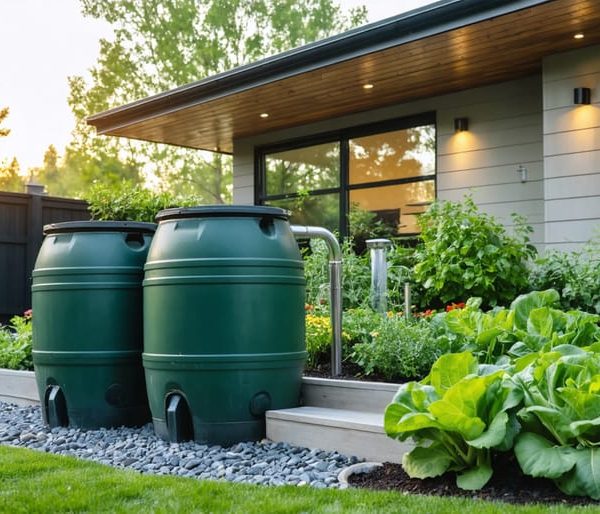
If you live in a community governed by a homeowners association, review your HOA covenants carefully. Some associations have architectural guidelines that restrict visible water storage tanks or require pre-approval for exterior modifications. The good news is that many HOAs in Arizona have become increasingly supportive of water conservation efforts, especially as drought awareness grows. When presenting your rainwater harvesting plans to your HOA board, emphasize the environmental benefits and water conservation aspects. Consider proposing aesthetically pleasing solutions, such as decorative rain barrels or landscaped areas that screen larger tanks from view. Providing photos of attractive installations and explaining how your system reduces community water demand can help gain approval. If your HOA initially resists, reference Arizona’s growing emphasis on sustainable water practices and offer to work with them on design modifications that meet both their aesthetic standards and your conservation goals.
Components of a Rainwater Harvesting System
Catchment Surface and Gutters
Your roof is the heart of any rainwater harvesting setup, serving as the primary catchment surface that collects rainfall during Arizona’s precious monsoon season and occasional winter storms. The larger your roof area, the more water you can potentially harvest—a typical 1,000 square foot roof can collect approximately 600 gallons from just one inch of rain.
The best roofing materials for water collection include metal, tile, and composition shingles. Metal roofs are ideal because they’re smooth, durable, and don’t shed particles into your water. Clay and concrete tiles also work well, though they may require more frequent gutter cleaning. Avoid wood shingles or asphalt roofs treated with chemicals, as these can contaminate your collected water.
Properly installed gutter collection systems are essential for channeling water from your roof to storage tanks. Use seamless aluminum or galvanized steel gutters with adequate slope—typically one-quarter inch per 10 feet—to prevent standing water and debris buildup. Install mesh screens or gutter guards to keep leaves, dirt, and desert debris out of your system, ensuring cleaner water enters your storage tanks and reducing maintenance needs.
First-Flush Diverters and Filtration
Arizona’s intense sun and dusty conditions make protecting your rainwater system essential from the moment rain hits your roof. The first flush of rainfall washes accumulated dirt, bird droppings, pollen, and other contaminants from your collection surface, which is why diverting this initial runoff is crucial for water quality.
A first-flush diverter automatically redirects the first gallon or two per 100 square feet of roof area away from your storage tank. This simple device ensures contaminated water never reaches your supply, dramatically reducing sediment and pollutants. Think of it as your system’s first line of defense against debris that accumulates during Arizona’s long dry spells between storms.
Beyond first-flush systems, your rainwater setup needs basic filtration layers. Start with gutter guards or screens that prevent leaves and larger debris from entering downspouts. A mesh screen with openings around 1/16 inch works well for most Arizona applications. Next, install a pre-tank filter basket that catches finer particles before water enters storage.
These filtration steps protect your stored water from contamination and extend the life of any additional treatment systems you might use later. Clean water in means less maintenance and better quality throughout your rainwater harvesting journey.
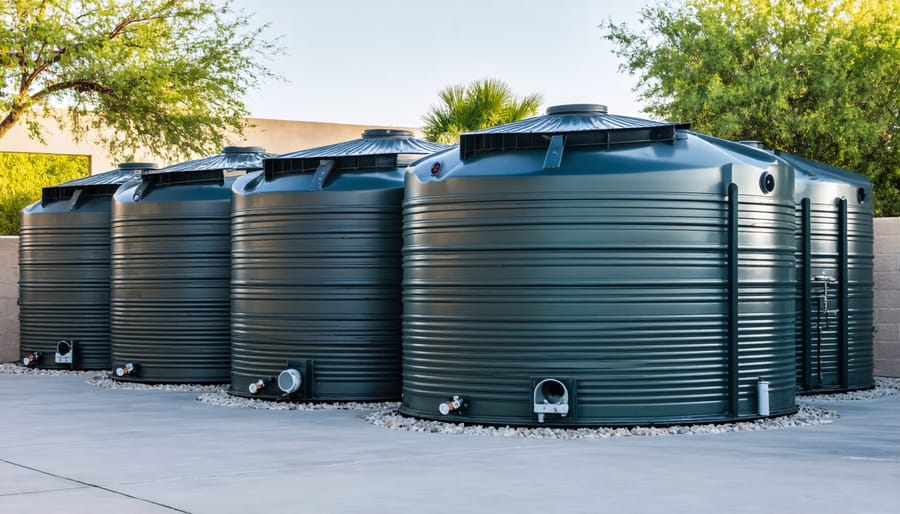
Storage Tanks and Cisterns
Selecting the right storage tank is crucial for maximizing your rainwater harvesting system’s efficiency in Arizona’s unique climate. Your tank size depends on several factors: your roof’s catchment area, local rainfall patterns, and household water needs. A good starting point is calculating your roof’s square footage and multiplying by 0.6 (since one inch of rain on 1,000 square feet yields approximately 600 gallons). Most Arizona homeowners find that tanks ranging from 500 to 5,000 gallons strike a balance between monsoon capture capacity and available space.
Material choice significantly impacts longevity and water quality. Plastic polyethylene tanks are popular due to their affordability, UV resistance, and lightweight construction, making them ideal for above-ground installations. However, they can degrade over time in Arizona’s intense sun if not properly shaded. Concrete cisterns offer excellent durability and natural cooling properties, keeping water temperatures lower during scorching summers. They’re best suited for underground or partially buried installations. Metal tanks, typically galvanized steel or stainless steel, provide strength and longevity but require protective coatings to prevent rust and may heat up quickly in direct sunlight.
Placement options include above-ground, partially buried, or fully underground installations. Above-ground tanks simplify installation and maintenance but need shade structures or strategic positioning to minimize heat absorption. Underground cisterns maintain cooler water temperatures and save space, though they require more extensive excavation and pumping systems. Consider accessibility for cleaning, proximity to downspouts, and foundation stability when determining your tank’s location.
Designing Your Arizona Rainwater System
Calculating Your Water Needs and Collection Potential
Understanding how much water you can collect starts with a straightforward calculation. Your roof’s catchment area is the foundation of this equation. Measure your roof’s footprint in square feet—not the angled surface area, but the flat area it covers when viewed from above. For example, a typical single-story Arizona home might have 1,500 square feet of catchment space.
Next, consider Arizona’s rainfall patterns. Phoenix averages about 8 inches annually, while Flagstaff receives around 22 inches. To estimate your collection potential, use this simple formula: catchment area (square feet) multiplied by rainfall (inches) multiplied by 0.623, then multiply by 0.85 to account for evaporation and system losses. So a 1,500 square foot roof in Phoenix could theoretically collect about 6,300 gallons yearly (1,500 x 8 x 0.623 x 0.85).
Now match this to your needs. Calculate your intended uses—perhaps garden irrigation requiring 50 gallons weekly during growing season, or toilet flushing using 30 gallons daily per household. Total your annual demand and compare it to your collection potential.
This comparison helps you right-size your storage tanks. In Arizona’s climate with intense but sporadic monsoon rainfall, aim for storage capacity that captures those heavy downpours while meeting your usage between rain events. Most homeowners find that 500 to 2,500-gallon tanks strike the right balance between investment and water security.
Arizona-Specific Design Considerations
Arizona’s unique desert climate presents specific challenges that require thoughtful planning for rainwater harvesting systems. Understanding these considerations ensures your system operates efficiently year-round while protecting your investment.
Monsoon season, typically running from June through September, delivers intense rainfall that can overwhelm unprepared systems. Your collection setup needs adequately sized gutters, downspouts, and conveyance pipes to handle sudden water surges without overflow or erosion. Installing first-flush diverters becomes especially important during monsoons, as these storms pick up accumulated dust, debris, and contaminants from your roof after months of dry weather.
The Arizona sun’s relentless UV exposure can degrade storage tanks and piping materials surprisingly quickly. Select tanks specifically designed with UV-resistant materials or UV inhibitors, or position them in shaded areas. Light-blocking tank materials are essential because sunlight penetrating your storage container accelerates algae growth, compromising water quality and potentially clogging your system.
Extreme heat poses additional challenges beyond UV damage. Summer temperatures exceeding 110°F can warm stored water significantly, creating ideal conditions for bacterial growth and algae proliferation. Insulated or buried tanks help maintain cooler water temperatures. Light-colored tanks reflect heat better than dark ones if above-ground installation is necessary.
Preventing algae requires a multi-pronged approach: opaque tank materials that block sunlight, proper screening on all entry points to prevent organic matter intrusion, and regular system maintenance. Some homeowners incorporate simple filtration methods before storage to remove debris that feeds algae growth. By addressing these Arizona-specific factors during your design phase, you’ll create a more resilient, longer-lasting rainwater harvesting system.
Water Quality and Treatment for Household Use
When Treatment Is Necessary
Understanding when rainwater treatment is necessary helps you use your harvested water safely and effectively. The rule is straightforward: if water will come into contact with your body internally, it needs treatment.
Drinking water and cooking applications require proper filtration and disinfection. Arizona’s rainwater can contain dust, bird droppings, roof debris, and atmospheric pollutants that make it unsafe for consumption without treatment. You’ll need a multi-stage system including sediment filters, carbon filtration, and UV sterilization or other disinfection methods to make harvested rainwater potable.
For non-potable uses, treatment requirements are minimal or unnecessary. Landscape irrigation is perfectly safe with untreated rainwater—your plants and garden will actually benefit from the lack of chlorine and added minerals found in municipal water. Toilet flushing requires no treatment whatsoever, as the water never enters your body. Similarly, laundry washing typically works fine with basic filtered rainwater, though you might want simple sediment filtration to protect your washing machine.
Arizona’s dry climate means your rainwater system should include first-flush diverters to remove initial roof runoff containing concentrated dust and debris. This simple addition improves water quality for all applications, reducing treatment needs for potable uses while keeping storage tanks cleaner for non-potable applications.

Filtration and Purification Options
Arizona’s desert dust, monsoon debris, and roof contaminants mean harvested rainwater requires proper treatment before household use. Understanding your filtration options helps you make the most of your collected water while keeping your family safe.
Start with sediment filters as your first line of defense. These physical barriers remove leaves, dirt, and particles from your harvested water. A two-stage approach works best: install a coarse screen filter at the gutter level to catch larger debris, then add a finer sediment filter (typically 5 to 20 microns) at your storage tank. These filters are affordable, easy to maintain, and essential for protecting your plumbing and appliances from Arizona’s dusty conditions.
For water you plan to use indoors, UV treatment systems provide powerful disinfection without chemicals. These units use ultraviolet light to neutralize bacteria, viruses, and other microorganisms that might contaminate your rainwater. UV systems work especially well in Arizona because our intense sunshine and low humidity create conditions where roof surfaces can harbor microbes between rain events.
Whole-house integration is increasingly popular among Arizona homeowners committed to water independence. This approach connects your treated rainwater to your home’s plumbing system, supplementing or replacing municipal water for toilets, laundry, irrigation, and with appropriate treatment, even drinking water. A complete system typically includes sediment filtration, UV treatment, and sometimes carbon filters to improve taste and remove any remaining impurities.
The investment in proper filtration transforms your harvested rainwater from a simple irrigation resource into a versatile, sustainable water source for your entire household.
Installation: DIY or Professional?
Simple Systems You Can Install Yourself
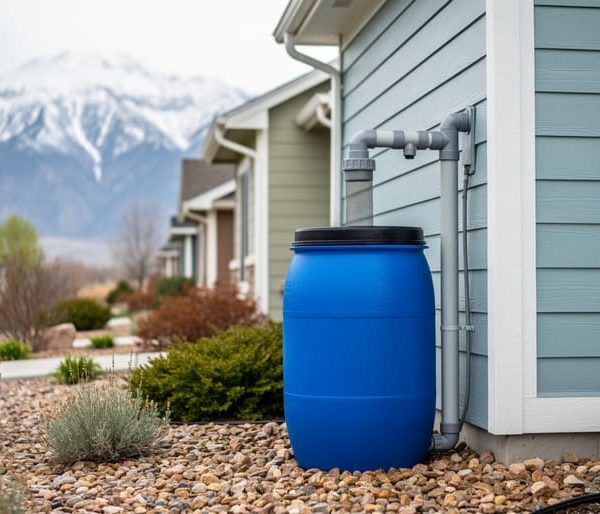
Getting started with rainwater harvesting doesn’t require professional installation or expensive equipment. Rain barrels are the simplest entry point—these 50-to-100-gallon containers connect directly to your downspout with a diverter kit, catching roof runoff during Arizona’s monsoon season. Position them on stable, level platforms near your home’s foundation, and add a spigot near the bottom for easy watering access. A screened lid prevents mosquito breeding and keeps debris out.
For slightly larger systems, consider passive collection methods like creating shallow berms and swales in your landscape. These earthworks redirect rainwater to tree roots and garden beds, allowing natural infiltration without pumps or storage tanks. This approach works exceptionally well in Arizona’s clay-heavy soils, where water tends to run off rather than soak in.
Both systems require minimal maintenance—just periodic cleaning and winter preparation. Start small with one or two barrels to gain confidence, then expand your collection capacity as you understand your property’s water flow patterns during summer storms.
When to Call the Experts
While many rainwater harvesting projects work well as DIY endeavors, certain situations call for professional expertise. If you’re planning to install large-capacity cisterns (typically 5,000 gallons or more), professionals ensure proper foundation work, structural integrity, and safe placement that complies with local building codes.
Complex integrated plumbing systems that connect your rainwater supply directly to household fixtures require licensed plumbers familiar with Arizona regulations and backflow prevention requirements. This ensures your system meets health standards and doesn’t compromise your municipal water connection.
Advanced filtration and purification systems designed for potable water use definitely warrant expert consultation. Professionals can properly size multi-stage filtration equipment, install UV sterilization units, and establish monitoring protocols to keep your water safe for drinking and cooking.
Additionally, if your property has unusual topography, multiple collection points, or you’re designing an automated system with pumps and electronic controls, professionals bring valuable engineering knowledge. They’ll optimize water pressure, prevent overflow issues, and integrate smart monitoring technology effectively. Investing in expert help for these complex scenarios protects your investment and ensures long-term system reliability.
Maintenance and Long-Term Care
Seasonal Maintenance Checklist
Maintaining your rainwater harvesting system throughout the year ensures it operates efficiently and provides clean water when you need it most. Arizona’s unique climate—with intense summer heat and dramatic monsoon seasons—requires specific attention to timing.
Spring (March-May) is ideal for a thorough system inspection before monsoon season arrives. Clean all gutters and downspouts, removing desert debris like leaves, dust, and bird nests. Check your first-flush diverter and replace filters if needed. Inspect storage tanks for cracks, leaks, or algae growth, and verify that overflow pipes are clear and functioning properly.
Pre-Monsoon Preparation (June) demands extra vigilance. Secure all connections and reinforce tank foundations, as monsoons can deliver several inches of rain in hours. Test your pump system if you have one, and ensure screens are intact to keep out debris and insects.
Fall (September-November) calls for post-monsoon assessment. Clean filters again after the heavy summer rains and check for any storm damage. Flush out accumulated sediment from tanks and inspect all seals.
Winter (December-February) requires minimal maintenance in most Arizona regions. However, if you live in northern Arizona’s higher elevations, protect exposed pipes from occasional freezing temperatures and monitor for any weather-related issues.
Quarterly inspections of water quality, tank integrity, and system components will maximize your harvesting system’s lifespan and performance.
Troubleshooting Common Issues
Arizona rainwater harvesting systems face several manageable challenges. Sediment buildup is common, especially after monsoons, when debris and dust wash into collection tanks. Installing first-flush diverters automatically discards the initial dirty runoff, while regular gutter cleaning and mesh screens prevent larger particles from entering your system. Check and clean filters monthly during monsoon season.
Mosquito prevention is essential in Arizona’s warm climate. Keep all storage containers tightly sealed with fine mesh screens on overflow pipes and vents. Mosquitoes need just seven days to breed, so inspect weekly for standing water. Consider adding mosquito dunks containing natural bacteria that kill larvae without harming water quality.
Water quality concerns often arise from roof contaminants and storage conditions. Avoid collecting from treated wood shingles or areas with bird droppings. UV-resistant tanks prevent algae growth, and adding simple filtration systems ensures your harvested water remains safe for its intended use. For drinking purposes, additional treatment like UV sterilization or carbon filtration becomes necessary. Regular tank inspections every six months help identify potential issues before they become serious problems.
Real-World Applications for Harvested Rainwater
Landscape Irrigation and Xeriscaping
Harvested rainwater is ideal for landscape irrigation, allowing Arizona homeowners to create beautiful outdoor spaces while dramatically reducing municipal water consumption. Native plants and desert-adapted species are perfect candidates for rainwater irrigation since they’ve evolved to thrive on periodic rainfall rather than constant watering. Plants like palo verde, mesquite, desert marigold, and agave flourish with collected rainwater and require minimal supplemental irrigation once established.
Xeriscaping, a landscaping approach designed for water conservation, pairs exceptionally well with rainwater harvesting systems. By grouping plants with similar water needs together and using mulch to retain soil moisture, you maximize every gallon of collected water. Drip irrigation systems connected to your rainwater storage tanks deliver water directly to plant roots, minimizing evaporation losses that can exceed 50% with traditional sprinklers in Arizona’s intense heat.
This approach not only conserves precious water resources but also reduces your utility bills while creating landscapes that support local wildlife and maintain natural desert beauty year-round.

Indoor Non-Potable Uses
Harvested rainwater can significantly reduce your household’s dependence on municipal water when used for indoor non-potable applications. With proper treatment, rainwater works wonderfully for toilet flushing, which typically accounts for nearly 30% of indoor water use. By directing filtered rainwater to your toilets, you’ll notice immediate savings on your water bills.
Laundry is another excellent application for treated rainwater. Arizona’s naturally soft rainwater actually reduces the need for detergents and leaves clothes feeling fresher compared to hard municipal water. You’ll need a basic filtration system with sediment filters and UV disinfection to ensure water quality meets household standards.
Other indoor uses include household cleaning and filling evaporative coolers, which are popular in Arizona’s dry climate. Some homeowners integrate rainwater systems with greywater recycling for maximum water conservation. Always install separate plumbing for non-potable water to prevent cross-contamination with drinking water lines, and clearly label all fixtures to avoid confusion.
Rainwater harvesting in Arizona isn’t just for large-scale operations or sustainability experts—it’s an accessible, practical solution for everyday homeowners looking to make a real difference. Whether you live in Phoenix, Tucson, or rural Arizona, capturing rainwater puts you in control of a valuable resource while reducing strain on municipal water supplies and groundwater reserves. The beauty of rainwater harvesting is its scalability. You don’t need to install an elaborate system overnight. Starting with a simple rain barrel to water your garden or landscape demonstrates environmental stewardship and helps you understand how rainwater collection works in your specific location.
As Arizona continues facing water scarcity challenges, every gallon you harvest contributes to long-term water security for your household and community. Beyond the environmental benefits, you’ll likely notice reduced water bills and greater resilience during drought conditions. Your harvested rainwater can supplement irrigation needs, reduce dependence on treated municipal water for outdoor use, and when properly filtered, even support household applications.
Taking that first step matters more than achieving perfection immediately. Review our complete rainwater harvesting guide to explore system options that fit your budget and property. Arizona’s climate and supportive regulations make this the ideal place to embrace rainwater harvesting as part of your sustainable living journey. Start small, learn as you go, and join thousands of Arizona residents already benefiting from this time-tested, cutting-edge approach to water independence.