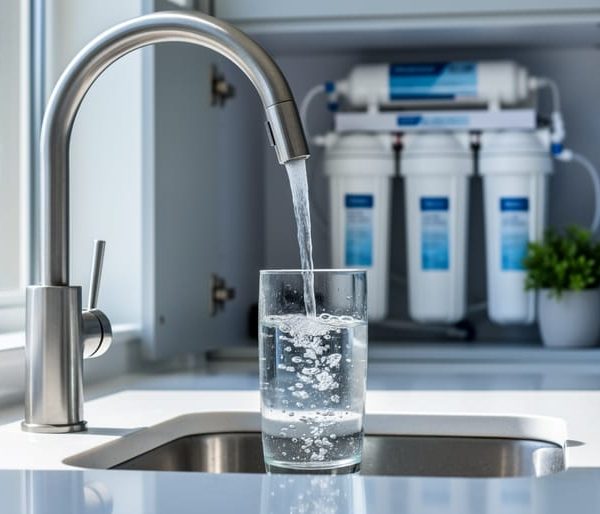
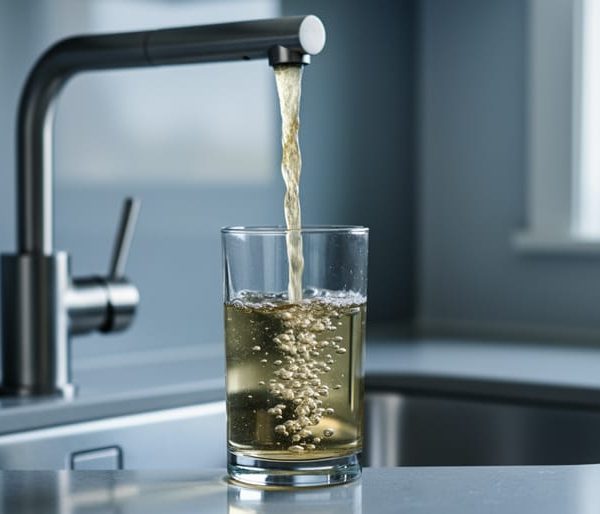
Invisible to the naked eye yet present in nearly every water source on Earth, microplastics have infiltrated our drinking water at alarming rates—with studies detecting these particles in 83% of tap water samples worldwide. These tiny plastic fragments, measuring less than five millimeters, carry potential health risks as they accumulate in our bodies and disrupt hormonal systems. For homeowners committed to protecting their families and the environment, understanding breakthrough water treatment technologies is no longer optional—it’s essential.
Recent innovations are transforming how we detect and eliminate microplastics from household water. Advanced filtration systems now combine multiple technologies, including ultrafiltration membranes that capture particles as small as 0.01 microns, reverse osmosis units that remove up to 99% of contaminants, and activated carbon filters enhanced with catalytic properties. Meanwhile, cutting-edge detection methods like Raman spectroscopy and fluorescence imaging allow scientists—and increasingly, consumer-grade devices—to identify microplastic concentrations in real-time.
The gap between laboratory research and practical home solutions is rapidly closing. Point-of-use water treatment systems incorporating these technologies are becoming more accessible and affordable, empowering everyday households to take control of their water quality. This article explores the most promising innovations in microplastics detection and removal, translating complex scientific advances into actionable steps you can implement today to safeguard your family’s health and contribute to a cleaner planet.
Why Microplastics in Your Water Should Worry You
Microplastics are tiny plastic particles, typically smaller than 5 millimeters, that have become an unavoidable presence in our environment and, unfortunately, in our drinking water. These microscopic fragments originate from various sources: the breakdown of larger plastic items, synthetic clothing fibers released during washing, personal care products, and industrial processes. Once released, they make their way into rivers, lakes, and groundwater systems, eventually flowing right into your home’s tap.
Recent studies have revealed the startling scope of this contamination. Research indicates that the average person may consume between 39,000 and 52,000 microplastic particles annually through food and water alone. When you consider inhalation, this number potentially doubles. While scientists are still investigating the full health implications, emerging evidence suggests these particles can accumulate in human tissues and organs, potentially carrying harmful chemicals and bacteria along with them.
What makes microplastics particularly concerning is their ability to bypass conventional water treatment systems. Traditional filtration methods were simply not designed to capture particles this small. As they enter your household water quality system, these particles can come from your municipal supply or even from plastic pipes within your own plumbing infrastructure.
The health concerns center around several key issues. Microplastics may act as carriers for toxic chemicals like BPA and phthalates, which are known endocrine disruptors. Additionally, their small size allows them to potentially cross biological barriers in our bodies, reaching organs where they shouldn’t be. Early research has linked microplastic exposure to inflammation, oxidative stress, and possible immune system disruption.
Understanding this problem is the first step toward protecting your household. Fortunately, innovative detection and filtration technologies are emerging that specifically target these microscopic invaders, offering hope for cleaner, safer drinking water in your home.

Breakthrough Detection Technologies Making Microplastics Visible
Portable Testing Devices for Home Use
Until recently, testing water for microplastics required expensive laboratory equipment and professional analysis. Today, innovative portable devices are bringing this capability directly into your home, empowering you to monitor your water quality with unprecedented ease.
These new consumer-friendly testing kits use simplified versions of professional detection methods. Most devices work by filtering a water sample through specialized membranes that capture particles as small as one micron. Some advanced models incorporate LED illumination and smartphone-compatible microscopes, allowing you to view and count microplastic particles right on your phone screen. The process typically takes 15-30 minutes from sample collection to results.
Leading devices in this category include portable spectroscopy units that identify plastic types based on their light absorption properties, and digital test strips that change color when microplastics are present. Many of these innovations integrate with smart water technology platforms, tracking your results over time and alerting you to concerning trends.
Prices range from affordable basic kits around fifty dollars to more comprehensive systems in the two-hundred-dollar range. While they may not match laboratory precision, these devices provide reliable baseline measurements that help you understand your water quality and evaluate whether your filtration system is working effectively. For homeowners committed to reducing microplastic exposure, these portable testers offer an accessible first step toward informed water management decisions.
Advanced Laboratory Techniques
Behind the scenes of water safety, scientists are using remarkable new tools to spot microplastics that were once invisible to detection. These advanced laboratory techniques are revolutionizing how we identify and measure tiny plastic particles in our water supply, giving us a clearer picture of contamination levels than ever before.
One breakthrough method is spectroscopy, which works like a fingerprint scanner for plastics. When light shines on a water sample, different types of plastics reflect unique patterns of light waves. Scientists can read these patterns to identify exactly what kind of plastic is present and how much of it exists in the water. Think of it as shining a special flashlight that reveals hidden particles and tells you their exact composition.
Another cutting-edge approach involves artificial intelligence-powered imaging systems. These smart cameras take thousands of microscopic photos of water samples and use AI algorithms to automatically recognize and count microplastic particles. What once took researchers days or weeks of manual counting now happens in minutes with greater accuracy. The AI learns to distinguish between plastic particles and natural materials like algae or sediment, reducing human error.
Raman spectroscopy takes detection even further by analyzing the molecular structure of particles without needing to touch or change the sample. This non-invasive method provides detailed chemical information about microplastics smaller than a grain of sand.
These sophisticated detection methods are crucial because you cannot effectively remove what you cannot see or measure. As these technologies become more affordable and accessible, they are helping water treatment facilities and researchers develop better filtration systems tailored to the specific types of microplastics found in different water sources.
Innovative Removal Technologies You Can Use at Home
Next-Generation Membrane Filtration Systems
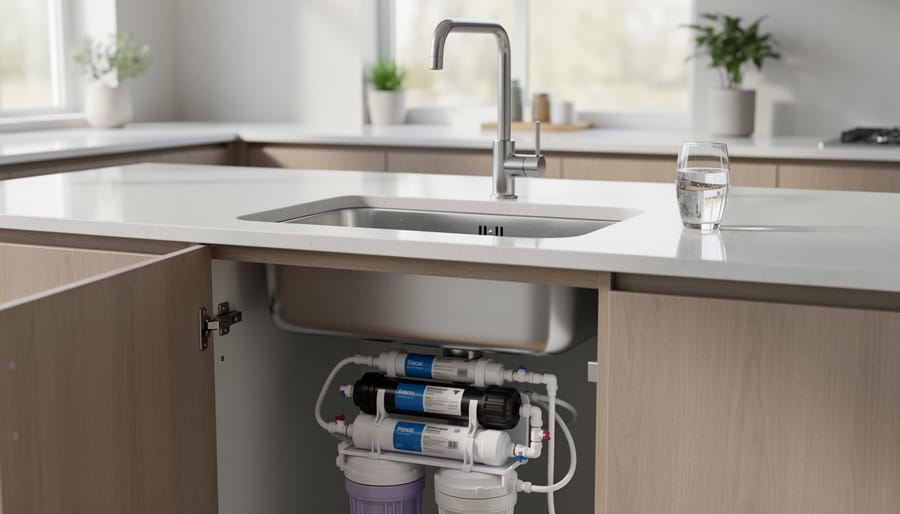
Next-generation membrane filtration represents one of the most promising breakthroughs in protecting your home’s water supply from microplastic contamination. These advanced filtration technologies work by using incredibly fine barriers that trap even the tiniest plastic particles before they reach your tap.
At the heart of these systems are two key players: ultrafiltration and nanofiltration membranes. Think of ultrafiltration as an extremely fine mesh screen with pores measuring just 0.01 to 0.1 microns, small enough to capture microplastics, bacteria, and other microscopic contaminants. Nanofiltration takes it even further with pores as small as 0.001 microns, effectively blocking particles that would easily slip through traditional filters.
Here’s how it works in practice: water flows through these membrane layers under pressure, forcing clean water molecules through while trapping larger particles like microplastics on the surface. The contaminated particles are then flushed away through a separate drain line, keeping your filter from getting clogged.
For homeowners, whole house membrane filtration systems offer comprehensive protection at every tap in your home. These systems typically install at your main water line and can process all incoming water, whether for drinking, cooking, or bathing. While they require a larger upfront investment than point-of-use filters, they provide peace of mind knowing every drop of water in your home receives the same high level of filtration.
Modern systems also feature smart technology that monitors filter performance and alerts you when maintenance is needed, making them surprisingly low-maintenance for the level of protection they provide.
Electrochemical Water Treatment
Electrochemical water treatment represents an exciting frontier in the fight against microplastic pollution. These systems use electrical currents to tackle microplastics in innovative ways, making them easier to capture and remove from your water supply.
Here’s how it works in simple terms: when an electrical charge passes through contaminated water, it triggers chemical reactions that either break down microplastic particles into less harmful compounds or cause them to clump together into larger masses. Think of it like using a magnet to gather scattered metal shavings, except we’re using electricity to manipulate plastic particles.
One promising method is electrocoagulation, which uses electrodes to create tiny bubbles and particles that attract microplastics like a cleaning sponge. The microplastics stick to these particles and form larger clusters that float to the surface or settle at the bottom, where they can be easily skimmed off or filtered out.
Another approach involves electrochemical oxidation, which essentially zaps microplastics with powerful oxidizing agents generated by the electrical current. This process can break down certain types of plastics into simpler, safer molecules, though research is still ongoing to perfect this technology for home use.
While most electrochemical systems are currently designed for municipal treatment facilities, researchers are working on smaller, household-scale versions. The technology shows particular promise because it doesn’t require adding chemicals to your water and can target particles that traditional filters might miss.
Bio-Based Filtration Solutions
Nature is providing some of the most promising solutions for removing microplastics from water, combining effectiveness with environmental responsibility. Scientists and innovators are developing filtration systems using materials like chitosan, a natural compound derived from crustacean shells, which acts like a microscopic magnet for tiny plastic particles. This biodegradable material can capture microplastics as small as one micrometer while breaking down naturally without harming the environment.
Another breakthrough involves biochar, a charcoal-like substance created from agricultural waste such as coconut husks and rice husks. When processed correctly, biochar develops a highly porous structure that traps microplastics while also filtering out other contaminants. This dual-purpose approach means you’re not just removing plastics but improving overall water quality with a material that would otherwise end up in landfills.
Researchers are also exploring cellulose-based filters made from wood pulp and other plant fibers. These filters can be manufactured sustainably and composted after use, creating a circular system that aligns with eco-conscious living principles. Some prototypes have shown remarkable success in capturing up to 95 percent of microplastics in laboratory testing.
For homeowners, these bio-based solutions represent the future of water treatment. While many are still in development or early market stages, several companies are beginning to offer home filtration systems incorporating these natural materials. The advantages are compelling: effective microplastic removal without contributing to environmental problems, often at comparable or lower costs than conventional synthetic filters.
When these technologies become widely available, they’ll offer an opportunity to protect your family’s health while supporting sustainable innovation. Keep an eye on emerging products that incorporate chitosan, biochar, or plant-based filtering materials as practical options for your home.
What Homeowners Can Do Right Now
While we await widespread availability of advanced microplastic removal technologies, there are several practical steps you can take today to reduce your exposure to these tiny pollutants in your drinking water.
Start by investing in a quality home filtration system. Research shows that activated carbon filters and reverse osmosis systems can capture many microplastic particles. When shopping for water filtration systems, look for products with pore sizes of 1 micron or smaller, as these are more effective at trapping microplastics. Remember to replace filter cartridges according to manufacturer guidelines, since clogged filters lose effectiveness over time.
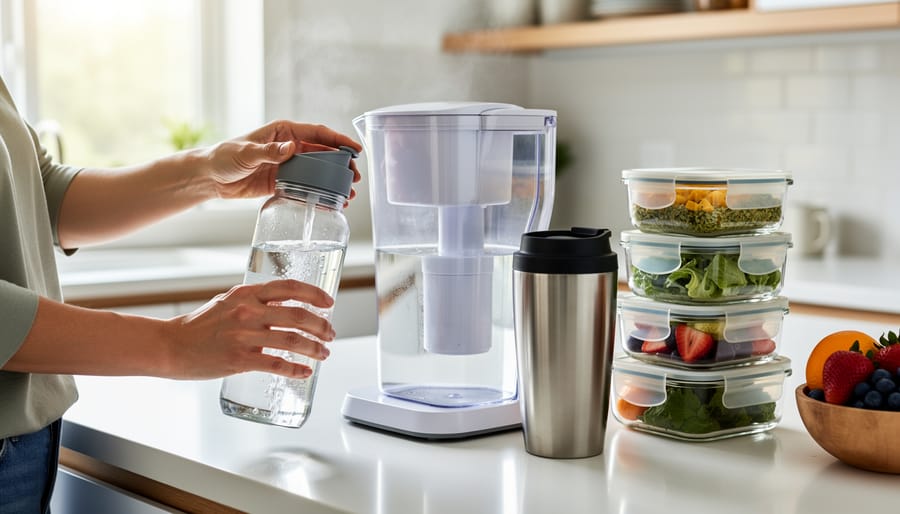
Minimize plastic use in your kitchen to prevent additional contamination. Switch to glass or stainless steel water bottles and food storage containers. Avoid heating food or beverages in plastic containers, as heat can cause plastics to break down and release particles into your food and drinks. When possible, choose beverages sold in glass bottles rather than plastic ones.
If you use a kettle or coffee maker, opt for stainless steel or glass models instead of plastic versions. These appliances come into contact with hot water regularly, which increases the risk of microplastic leaching. Similarly, replace plastic cutting boards with wood or bamboo alternatives to reduce microplastic generation during food preparation.
Reduce your reliance on single-use plastics throughout your home. This broader effort helps decrease microplastic pollution at its source, benefiting not just your household water but the entire water cycle.
Finally, stay informed about emerging filtration technologies and water quality issues in your area. Contact your local water utility to request information about microplastic testing and treatment measures they may already have in place. As detection methods improve and become more affordable, you’ll be better positioned to make informed decisions about protecting your family’s water quality.
The future of water treatment is evolving rapidly, and staying informed about these innovations is essential for protecting your family’s health and our planet. As microplastics detection and removal technologies continue to advance, homeowners have more tools than ever to make informed decisions about their water quality. From advanced filtration systems to promising nanotechnology solutions, these cutting-edge developments offer real hope for cleaner, safer water in every household.
The good news is that you don’t need to wait for perfect solutions to take action. Start by evaluating your current water treatment setup, consider upgrading to filters with proven microplastics removal capabilities, and stay curious about emerging technologies. Remember, every step toward better water quality counts, whether you’re installing a new filtration system or simply learning more about what flows from your tap.
By remaining engaged with water innovations and making thoughtful choices about your household water treatment, you’re contributing to a larger movement toward sustainable living. The technologies we’ve explored represent just the beginning of a cleaner water future, one where microplastics no longer threaten our health or environment.