Test your water first using an EPA-certified lab or home testing kit to identify specific contaminants like sediment, chlorine, iron, or bacteria—mobile home wells and municipal connections often carry different water quality issues than traditional homes. Choose filtration systems designed for lower water pressure (typically 40-50 PSI in manufactured homes versus 60-80 PSI in site-built homes), such as countertop filters, under-sink systems with compact footprints, or whole-house units with flow rates matching your home’s 1/2-inch to 3/4-inch supply lines. Install a pressure gauge at your main water line before purchasing any system, since many standard filtration units require minimum pressures that mobile homes can’t provide without a booster pump.
Mobile home water filtration doesn’t follow conventional rules. Your manufactured home’s unique plumbing configuration—featuring PEX or polybutylene pipes, restricted flow rates, and space-limited utility areas—means that big-box store solutions often fail or underperform. The good news: targeted filtration systems now exist specifically engineered for these constraints, combining modern water purification technology with designs that accommodate tight quarters and variable pressure conditions. Whether you’re dealing with metallic-tasting well water, chlorine-heavy city supply, or sediment issues common in rural mobile home parks, the right system transforms your tap water into clean, safe drinking water without requiring expensive plumbing overhauls or compromising your home’s water pressure throughout.
The Mobile Home Water Problem Nobody Talks About
Why Standard Filters Cause Problems
Standard whole-house filtration systems designed for traditional site-built homes can create serious headaches when installed in mobile homes. The main culprit? Water pressure. Mobile homes typically operate with lower water pressure than conventional houses—often between 40-50 PSI compared to 60-80 PSI in standard homes. When you add a conventional filter system that causes a pressure drop of 10-15 PSI, you’ll notice weak showers, slow-filling toilets, and frustrating faucet flow.
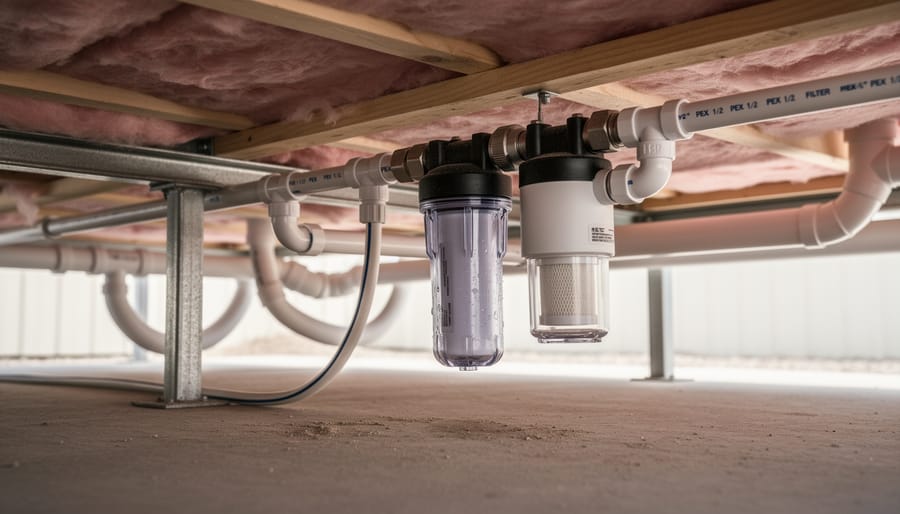
The installation challenges go beyond pressure issues. Mobile homes feature smaller diameter supply lines, usually half-inch copper or PEX piping, which means less space for bulky filter housings. The confined areas under sinks and in utility closets leave little room for oversized cartridge systems. Additionally, the unique pier-and-beam foundation design can make accessing main water lines tricky without proper knowledge of manufactured home construction.
These compatibility problems explain why simply copying your neighbor’s filtration setup won’t work. Mobile home residents need purpose-built solutions that account for lower pressure, compact spaces, and specialized plumbing configurations—ensuring clean water without sacrificing the convenience of adequate flow throughout your home.
Common Contaminants in Mobile Home Water
Mobile home plumbing systems face distinct water quality challenges that differ from traditional houses. Older manufactured homes often have galvanized steel pipes that corrode over time, releasing rust particles that discolor water and leave stains on fixtures. Sediment buildup is particularly common because mobile homes typically connect to well water or municipal systems through longer supply lines that accumulate mineral deposits.
If your water tastes like a swimming pool, that’s chlorine from municipal treatment facilities. While chlorine disinfects water, many people find it unpleasant and prefer chlorine removal for better-tasting drinking water.
Lead contamination poses another concern, especially in manufactured homes built before 1986 when lead solder and fixtures were still common. Brass fittings and faucets can also leach lead into your water supply. This type of heavy metal contamination is particularly worrisome for families with young children.
Testing your water is the essential first step before choosing a filtration system. Understanding your specific contaminants helps you select the most effective and eco-friendly solution for your mobile home’s unique needs.
Mobile Home Water Filtration Options That Actually Work
Under-Sink Systems: The Practical Starting Point
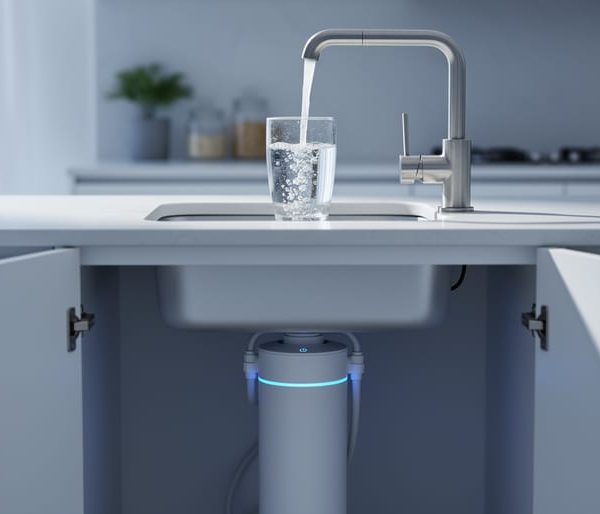
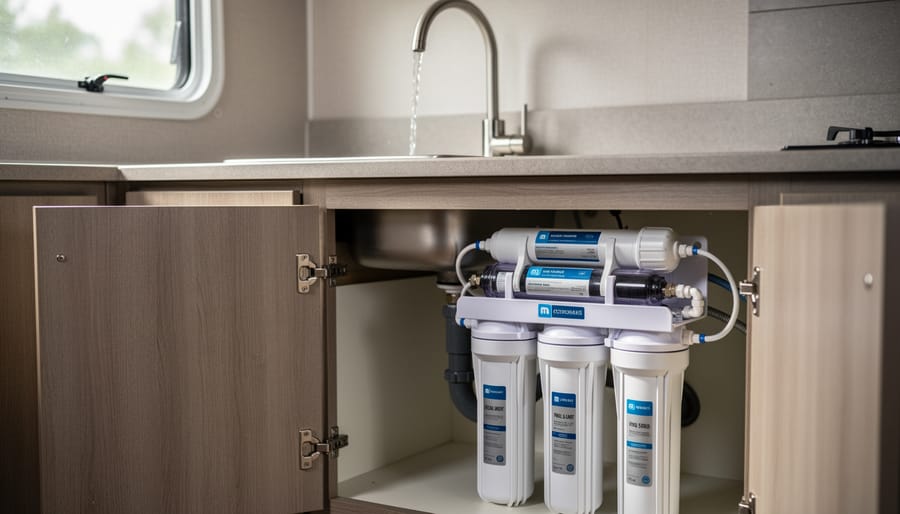
Under-sink filtration systems offer the perfect balance of performance and practicality for mobile home kitchens. These compact units fit neatly in the limited cabinet space beneath your sink while delivering exceptional drinking water quality right at your tap.
Compact reverse osmosis systems are particularly well-suited for manufactured homes. Modern RO units designed for smaller spaces can remove up to 99% of contaminants including lead, chlorine, and dissolved solids. Look for models with slim storage tanks that won’t crowd your cabinet space. These systems typically include three to five filtration stages, with the reverse osmosis membrane doing the heavy lifting to purify your water.
Multi-stage filters without reverse osmosis offer another excellent option. These systems use a combination of sediment filters, carbon blocks, and specialty media to tackle common mobile home water issues like sediment buildup and chlorine taste. They’re often less expensive and don’t produce wastewater like RO systems do, making them an eco-friendly choice.
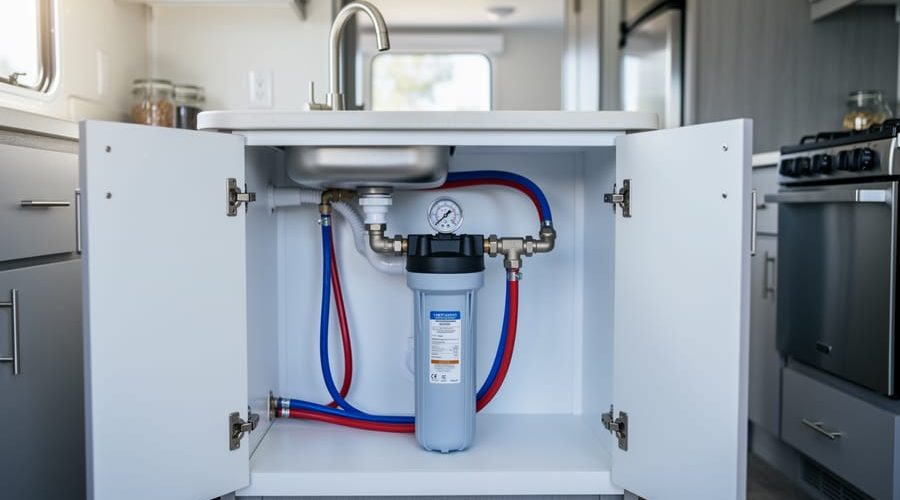
Installation is surprisingly straightforward for most homeowners. Basic models connect directly to your cold water line with simple twist-on fittings requiring no soldering. Many include a dedicated faucet that mounts through your sink or countertop. Maintenance involves replacing filters every six to twelve months depending on your water usage and quality.
The result is clean, great-tasting drinking water without the environmental impact of bottled water, providing peace of mind for your family while reducing plastic waste.
Whole-Home Systems Built for Lower Pressure
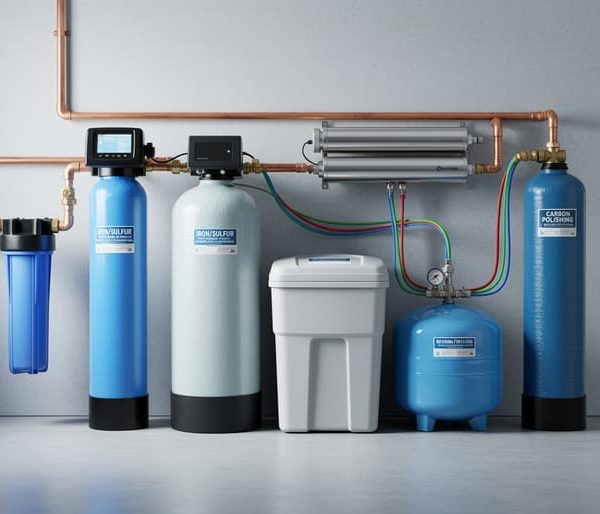
Mobile homes need specialized filtration solutions because their plumbing systems typically operate at lower water pressure than traditional houses. Standard whole-house water filters can create too much resistance, resulting in frustratingly slow flow from your faucets and showerheads.
When shopping for a main line filtration system, prioritize filters specifically designed with low pressure drop ratings. These innovative systems use larger filter housings, optimized internal pathways, and advanced media that clean water effectively without choking your water flow. Look for models advertising pressure drops of 5 PSI or less at typical flow rates.
Flow rate specifications matter tremendously for mobile home compatibility. Your system should handle at least 10 gallons per minute (GPM) to support simultaneous water use throughout your home. Check your current water pressure with an inexpensive gauge from any hardware store. If you’re starting below 60 PSI, which is common in manufactured housing communities, you’ll need filters engineered for low-pressure situations.
Installation happens at your main water line where it enters your home, filtering all water before it reaches any fixture. This protects your plumbing, appliances, and family from contaminants. Consider systems with bypass valves for easy maintenance and replaceable cartridge designs that don’t require a plumber for filter changes.
These eco-friendly solutions provide comprehensive protection while respecting your home’s unique infrastructure, ensuring clean water flows freely throughout your space without compromise.
Countertop and Portable Solutions
If you’re renting your mobile home or prefer not to modify existing plumbing, countertop and portable filtration systems offer excellent flexibility. These zero-installation options sit directly on your counter and connect to your faucet with a simple diverter valve, requiring no tools or permanent changes to your space.
Countertop filters typically use multi-stage filtration combining activated carbon and ceramic elements to remove contaminants like chlorine, heavy metals, and sediment. They’re particularly well-suited for mobile homes because they bypass potential low water pressure issues that can affect under-sink systems. Most models process water on-demand, eliminating the need for storage tanks in tight spaces.
Water filter pitchers represent the most budget-friendly and portable option, though they require regular filter replacements and manual filling. While convenient, they produce more plastic waste over time compared to long-lasting countertop units.
From an environmental perspective, countertop systems shine as sustainable alternatives to bottled water. A single countertop filter can replace thousands of plastic bottles annually, significantly reducing your carbon footprint. Look for models with recyclable filter cartridges and long-lasting components. Many innovative brands now offer filters made from coconut shell carbon and biodegradable materials, aligning filtration with eco-conscious living. These temporary solutions prove that improving water quality doesn’t require permanent commitments or complex installations.
Installation Considerations for Mobile Home Owners
Where to Install Your Filter
Finding the right spot for your water filtration system in a mobile home requires thinking differently than in traditional houses. The most common installation point is at the point-of-entry, where your main water line enters the home. In mobile homes, this typically means accessing the area under your home through the skirting panels. This location allows you to filter all water coming into your home, protecting your plumbing and ensuring clean water at every tap.
If crawling under your home isn’t practical, check your utility closet where the water heater lives. Many mobile homes have enough space here for a compact whole-house system or at minimum, a dedicated line for drinking water. This indoor access makes future filter changes much easier, especially during harsh weather.
For homes with limited crawl space or challenging under-skirting access, point-of-use systems installed under kitchen sinks offer an excellent alternative. While they only filter water at one location, they’re simple to install and maintain without special tools.
Keep in mind that mobile home plumbing often features smaller diameter pipes and lower water pressure than site-built homes. Choose an installation spot where you can easily add a pressure gauge to monitor system performance and ensure your filtration system won’t restrict water flow throughout your home.
DIY vs Professional Installation
Most mobile home water filtration systems fall into two categories: DIY-friendly and professional-grade installations. Under-sink filters, countertop units, and pitcher filters are typically straightforward enough for homeowners with basic tools and moderate confidence. These systems usually require minimal plumbing modifications and come with clear instructions designed for self-installation.
However, whole-house filtration systems often benefit from professional expertise, especially in mobile homes where plumbing configurations can be unique. Mobile homes commonly have lower water pressure and narrower pipes than traditional houses, making proper sizing crucial. A professional installer familiar with manufactured housing can assess your pressure levels, recommend appropriate flow rates, and ensure modifications won’t compromise your system.
Professional installation typically costs between $200-500 for labor, depending on system complexity and regional rates. This investment becomes worthwhile when dealing with pressure regulators, backflow prevention valves, or main line connections that require code compliance.
Consider professional help if you’re uncomfortable working with plumbing, your mobile home has older galvanized pipes, or you’re installing a UV purification or reverse osmosis system requiring electrical connections. The peace of mind and warranty protection often justify the additional expense, ensuring your eco-friendly water solution functions optimally from day one.
Testing Your Water First: Why This Step Matters
Before investing in a water filtration system for your mobile home, testing your water is the single most important step you can take. Without knowing what contaminants you’re dealing with, you might end up purchasing the wrong system—wasting money on a filter that doesn’t address your specific water issues.
Think of it this way: you wouldn’t buy prescription glasses without an eye exam. The same logic applies to water filtration. Your neighbor might battle hard water and mineral buildup, while your main concern could be chlorine taste or bacteria. Each problem requires a different solution.
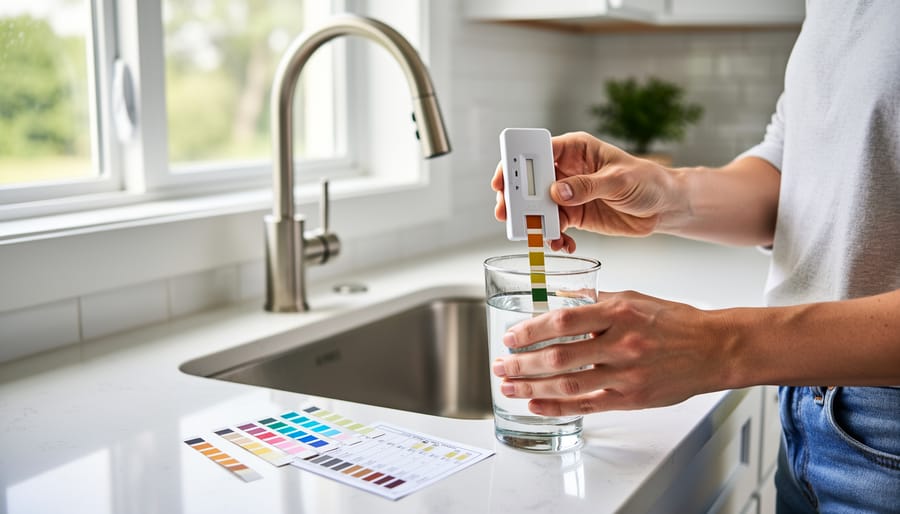
Getting your water tested is surprisingly straightforward. The most reliable option is purchasing a certified laboratory test kit, which typically costs between $20-$150 depending on how comprehensive you want it to be. These kits arrive with simple instructions—you collect water samples in provided containers and mail them back for analysis. Within a week or two, you’ll receive detailed results showing levels of common contaminants like lead, bacteria, nitrates, chlorine, pesticides, and minerals.
For a quicker snapshot, home test kits available at hardware stores offer basic screening for around $10-$30. While less thorough than lab tests, they’re helpful for identifying obvious issues like high chlorine or pH imbalances.
When interpreting your results, compare the numbers against EPA’s recommended maximum contaminant levels. Your report will typically highlight anything exceeding safe thresholds. If you see elevated lead, for example, you’ll need a system specifically certified for lead removal. High mineral content means you’ll want to consider water softening alongside filtration.
This upfront knowledge ensures you choose a filtration approach that actually solves your problems, making it a worthwhile investment that pays dividends in both health protection and long-term savings.
Maintenance That Won’t Break the Bank
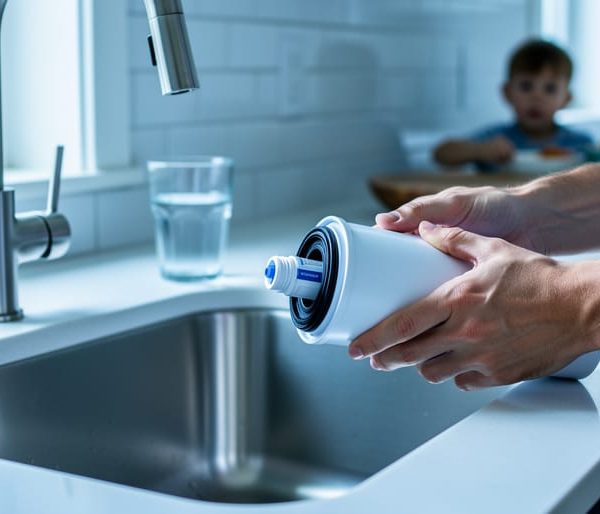
Maintaining your mobile home water filtration system doesn’t require a hefty budget or complicated schedule. Most systems need attention every 3-6 months, depending on your water quality and usage. Sediment pre-filters typically cost $10-25 and should be changed quarterly, while carbon filters run $30-70 and last 6-12 months. Reverse osmosis membranes are pricier at $50-100 but can last 2-3 years with proper care. Following recommended filter replacement schedules ensures your system performs optimally without wasting money on premature replacements.
You can extend your filters’ lifespan by addressing sediment issues with pre-filters and monitoring water pressure to prevent membrane damage. Setting phone reminders for maintenance checks helps you stay on track without overthinking it.
The environmental benefits are substantial. A family of four using a home filtration system instead of bottled water prevents approximately 2,000 plastic bottles from entering landfills annually. That’s roughly 150 pounds of plastic waste diverted each year, plus the carbon emissions saved from bottling and transportation. Your system pays for itself environmentally within months while costing just pennies per gallon compared to bottled water’s dollar-per-gallon price tag.
Regular maintenance also means better-tasting water consistently, protecting your mobile home’s plumbing from scale buildup, and knowing exactly what’s in your drinking water. This combination of affordability, sustainability, and peace of mind makes proper filter care a smart investment.
Finding the right water filtration system for your mobile home starts with understanding what’s actually in your water. Before investing in any equipment, get your water tested through a certified lab or home testing kit. This simple step reveals specific contaminants you need to address, whether it’s chlorine, sediment, heavy metals, or other impurities that vary by location.
Once you know what you’re dealing with, match your filtration system to your mobile home’s unique characteristics. Consider your water pressure capabilities, available installation space, and plumbing configuration. Under-sink systems work well for dedicated drinking water, while whole-house filters protect all your fixtures if you have adequate pressure and flow rates.
The investment pays off in multiple ways beyond cleaner, better-tasting water. You’ll reduce reliance on single-use plastic bottles, cutting down on environmental waste while saving money over time. Quality filtration also protects your health by removing potentially harmful contaminants, and it extends the life of your appliances by preventing mineral buildup and corrosion.
Remember, the best system for your mobile home is one that addresses your specific water issues, fits your space constraints, and matches your budget. Take that first step with water testing, and you’ll be on your way to enjoying cleaner, safer water for years to come.