Every time you turn on your tap, trace amounts of synthetic estrogens, testosterone derivatives, and pharmaceutical residues flow into your glass. These endocrine-disrupting compounds enter municipal water supplies through sewage treatment plants that weren’t designed to filter them, agricultural runoff carrying livestock hormones, and industrial discharge. Even at concentrations measured in parts per trillion, these substances can interfere with your body’s delicate hormonal balance.
The science is clear: hormone disruptors in drinking water affect human development, reproductive health, and long-term wellbeing. Research links exposure to early puberty in children, reduced fertility in adults, and increased risks of hormone-sensitive cancers. What makes these contaminants particularly concerning is their ability to mimic or block natural hormones at extremely low doses, meaning traditional water safety standards don’t adequately protect you.
Your municipal water treatment facility removes bacteria and some chemicals, but conventional processes like chlorination and basic filtration leave hormones largely untouched. Standard pitcher filters won’t eliminate these microscopic molecules either. The Environmental Protection Agency doesn’t currently regulate most endocrine disruptors in drinking water, placing the responsibility for protection squarely on your shoulders.
Understanding which hormones contaminate your water supply, how they impact your family’s health, and which filtration technologies actually remove them empowers you to make informed decisions. This isn’t about fear—it’s about knowledge. Advanced filtration methods like reverse osmosis and activated carbon systems effectively capture these compounds, while simple testing reveals what’s actually flowing through your pipes. Taking control of your household water quality starts with recognizing the invisible threat and implementing proven solutions that transform your tap water into the pure, safe resource your family deserves.
What Are Endocrine Disruptors and Why Are They in Your Water?
The Journey from Source to Tap
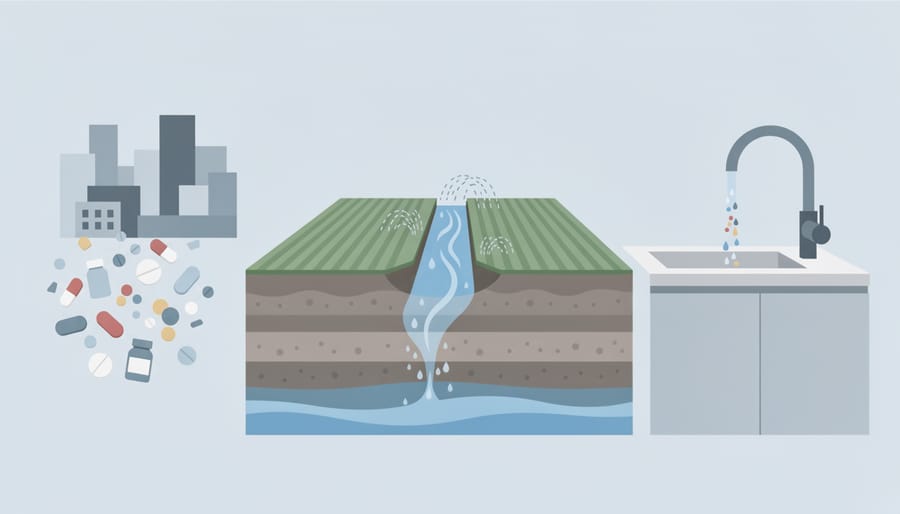
Understanding how hormones reach your drinking water helps explain why this issue has become a growing concern for many households. The journey begins in our homes and bodies—when people take prescription medications or use personal care products containing synthetic hormones, these substances are eventually excreted and flushed into wastewater systems.
Once in the sewage system, these compounds travel to municipal wastewater treatment plants. Here’s where the challenge intensifies: conventional treatment facilities were designed primarily to remove solid waste, bacteria, and basic pollutants. They typically use three stages—physical filtering, biological treatment, and chemical disinfection. While effective for traditional contaminants, these processes weren’t built to target microscopic hormone molecules and endocrine-disrupting chemicals.
Many of these substances pass through treatment plants relatively unchanged because they’re chemically stable and present in extremely small concentrations. After treatment, the water is discharged into rivers, lakes, and reservoirs—the same sources that supply drinking water to communities downstream.
When this water reaches drinking water treatment plants, the cycle continues. Standard municipal treatment—which includes coagulation, sedimentation, filtration, and chlorination—removes many harmful substances but often misses trace hormones. These compounds can be incredibly persistent, surviving even chlorine disinfection.
The result? Trace amounts of hormones and endocrine disruptors can potentially make their way through this entire system and arrive at your tap, highlighting why additional home filtration may be worth considering for concerned families.
Common Hormone Disruptors Lurking in Drinking Water
Your tap water may contain several types of hormone-disrupting substances that enter the water supply through various pathways. Understanding these common chemicals hijacking hormones helps you make informed decisions about protecting your household’s water quality.
BPA (Bisphenol A) is a chemical found in plastics and can leach into water from pipes, containers, and industrial runoff. It mimics estrogen in your body, potentially affecting reproductive health and development.
Phthalates are plasticizers used to make products flexible. They enter water supplies through manufacturing waste and everyday product breakdown. These chemicals can interfere with testosterone and estrogen production, impacting hormone balance across all ages.
Pesticides and herbicides, particularly atrazine and glyphosate, run off from agricultural lands into groundwater and surface water sources. These agricultural chemicals can disrupt thyroid function and reproductive hormones even at low concentrations.
Synthetic hormones, including estrogen and progesterone, primarily enter water through wastewater from pharmaceutical manufacturing and human excretion. Birth control pills and hormone replacement therapy medications pass through sewage treatment plants largely unchanged, as standard water treatment facilities aren’t designed to remove these compounds.
Pharmaceutical residues encompass a broader category of medications, including antidepressants, antibiotics, and other prescription drugs that affect hormone systems. These residues accumulate in water sources because conventional treatment processes cannot fully eliminate them.
The concerning reality is that these contaminants often exist together in your water, potentially creating combined effects that scientists are still working to understand. While concentrations may be measured in parts per billion, emerging research suggests even these tiny amounts may impact human health over time, particularly for vulnerable populations like children and pregnant women.
Health Effects You Need to Know About
Impact on Children and Development
Children face heightened vulnerability to hormone-disrupting contaminants in drinking water because their bodies are rapidly developing. During critical developmental windows, even low-level exposure to endocrine disruptors can interfere with normal growth patterns and organ development.
Research has linked exposure to these contaminants with shifts in puberty timing, with some studies observing earlier onset in girls exposed to certain compounds. These hormonal disruptions during childhood can affect reproductive system development, bone density formation, and metabolic function that carries into adulthood.
The developing brain is particularly sensitive during early childhood. Hormone disruptors in drinking water may influence cognitive development, attention span, and behavioral patterns, though scientists continue studying the full scope of these effects.
Infants and toddlers face additional risks because they consume more water relative to their body weight than adults, increasing their exposure levels. Parents preparing infant formula with tap water should be especially mindful of water quality, as their little ones have immature detoxification systems that cannot efficiently process these contaminants.
Understanding these developmental risks isn’t about creating panic but rather empowering families to take protective action through improved water filtration and regular testing.
Reproductive Health Concerns
Research indicates that hormonal contaminants in drinking water may affect reproductive health in several concerning ways. Studies have documented potential connections between endocrine disruptor exposure and reduced fertility rates in both men and women, though more research is needed to fully understand these relationships.
For women, exposure to hormone-disrupting chemicals during pregnancy raises particular concerns. These substances can potentially cross the placental barrier, and some research suggests possible links to complications like preterm birth or developmental issues. While the concentrations found in typical drinking water are generally low, the cumulative effects of daily exposure over time remain an area of active scientific investigation.
Men may experience impacts on sperm quality and testosterone levels when exposed to estrogenic compounds over extended periods. Animal studies have shown reproductive system changes, though human research is still developing a complete picture.
The good news is that these concerns are manageable. Understanding your water quality through testing and implementing appropriate filtration solutions can significantly reduce exposure to these contaminants. Modern water treatment technologies specifically designed to remove endocrine disruptors offer homeowners practical ways to protect their families while reproductive science continues advancing our knowledge in this important area.
Long-Term Health Implications
The long-term effects of hormone exposure through drinking water remain an active area of scientific research. Current studies suggest potential connections to thyroid disruption, as endocrine disruptors can interfere with hormone production and regulation throughout the body. Some research indicates possible impacts on metabolic function, including how our bodies process energy and maintain healthy weight.
Your immune system may also be affected by prolonged exposure to these compounds, though scientists are still working to understand the full scope of these interactions. Perhaps most concerning are studies exploring links between certain endocrine disruptors and increased cancer risk, particularly hormone-sensitive cancers like breast and prostate cancer.
It’s important to note that while these concerns are valid and worth taking seriously, most health effects depend on exposure levels and duration. The concentrations found in typical drinking water are generally lower than amounts shown to cause harm in laboratory studies. However, the cumulative effect of multiple chemical exposures over decades, especially during critical developmental periods, warrants a precautionary approach. For homeowners concerned about protecting their families, understanding these potential risks helps inform decisions about water testing and filtration options without creating unnecessary alarm.
How to Test Your Water for Hormones and Endocrine Disruptors
Understanding Your Local Water Quality Report
Every municipal water system serving more than 25 customers must provide an annual Consumer Confidence Report (CCR), typically available on your city’s website or by request. These reports detail contaminants tested and their levels, but here’s the catch: hormones and most endocrine disruptors aren’t on the EPA’s required testing list. Standard CCRs focus on regulated contaminants like lead, bacteria, and chlorine byproducts.
To access your report, search “water quality report” plus your city name, or check your utility bill for website links. When reviewing, pay attention to contaminants detected at levels approaching their Maximum Contaminant Level, even if technically “safe.” Look for pharmaceuticals or emerging contaminants sections, though many systems don’t test for these voluntarily.
Red flags include frequent compliance violations, outdated treatment infrastructure, or detection of agricultural runoff indicators like nitrates and atrazine, which suggest hormone contamination is possible. If your report lacks transparency or seems incomplete, contact your water utility directly with questions. Remember, absence of data doesn’t mean absence of contaminants. Consider independent testing for a complete picture of what’s flowing through your taps, especially for unregulated compounds like hormones.
When Professional Testing Makes Sense
While municipal water systems regularly test for regulated contaminants, they’re not required to screen for most hormones and endocrine disruptors. This gap makes professional testing particularly valuable in specific situations.
If you rely on well water, professional testing becomes essential. Private wells aren’t subject to EPA regulations, meaning you’re solely responsible for monitoring water quality. Agricultural runoff containing livestock hormones and pesticides can easily contaminate groundwater sources, making annual testing a smart preventive measure.
Homeowners with family members who have hormone-sensitive conditions should also consider professional analysis. This includes households with pregnant women, young children going through development, or anyone managing thyroid disorders or reproductive health issues. Understanding your water’s contamination profile helps you make informed decisions about appropriate filtration solutions.
Those living near agricultural operations, pharmaceutical manufacturing facilities, or wastewater treatment plants face higher exposure risks due to proximity to hormone sources. Similarly, if you’ve noticed changes in your water’s taste, smell, or appearance, professional testing can identify the underlying cause.
Certified laboratories use advanced detection methods like liquid chromatography-mass spectrometry to identify contaminants at parts-per-trillion levels. While testing costs typically range from $200-$500 depending on the panel selected, this investment provides baseline knowledge that guides your water treatment choices and protects your family’s long-term health.
Effective Filtration Solutions for Your Home
Reverse Osmosis: The Gold Standard
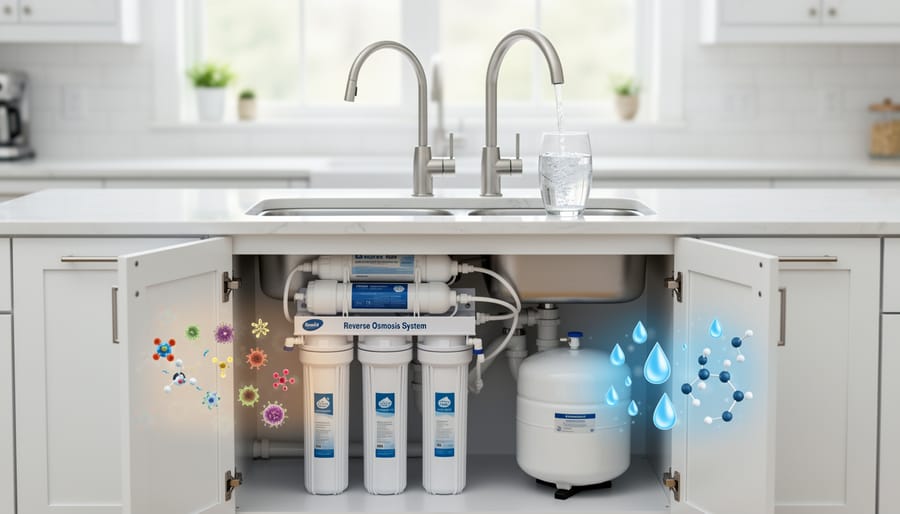
Reverse osmosis systems represent the most effective technology for removing hormones from your drinking water, with removal rates exceeding 95% for most endocrine disruptors. This advanced filtration method works by forcing water through an extremely fine semipermeable membrane with pores measuring just 0.0001 microns—small enough to block hormone molecules while allowing water to pass through.
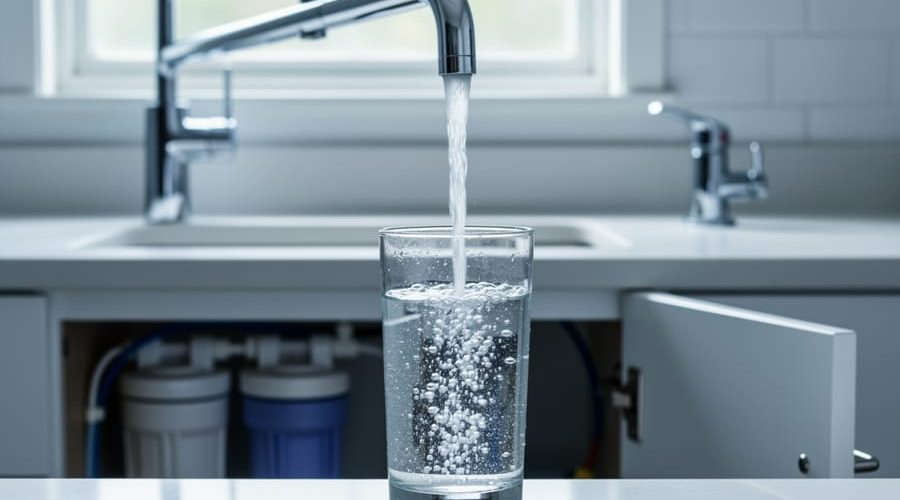
The process involves multiple filtration stages. Water first flows through pre-filters that remove sediment and chlorine, then passes through the RO membrane where hormones, pharmaceuticals, and other contaminants are rejected and flushed away. A final carbon filter polishes the water for drinking.
Under-sink systems are ideal for most households, providing purified water at one tap for drinking and cooking while being cost-effective and space-efficient. Whole-house systems offer comprehensive protection but require significant upfront investment and professional installation.
The main drawback is water waste—traditional RO systems discard 3-4 gallons for every gallon purified, though newer models have improved efficiency. Some minerals are also removed, which can be addressed through remineralization filters. Despite these considerations, RO remains the gold standard when hormone removal is your priority, offering proven protection and peace of mind for concerned families.
Activated Carbon Filters: What They Can and Can’t Do
Activated carbon filters are widely available and can reduce some hormone compounds in your drinking water, but they’re not a complete solution. These filters work by trapping contaminants in their porous surface as water passes through. They’re effective at removing certain synthetic hormones and pharmaceutical residues, particularly when the carbon is high-quality and regularly replaced.
However, standard carbon filters have limitations when it comes to endocrine-disrupting contaminants. Their effectiveness varies significantly based on the specific hormone compound, water flow rate, and filter age. Smaller hormone molecules may pass through more easily, and once the carbon becomes saturated, filtration efficiency drops dramatically. Most pitcher filters and basic faucet attachments use carbon filtration, which means they offer some protection but shouldn’t be considered comprehensive hormone removal systems.
For households concerned about hormones, carbon filters work best as part of a multi-stage filtration approach rather than as a standalone solution. They’re an affordable starting point that improves taste and removes chlorine along with some hormonal contaminants, but more advanced technologies may be necessary for complete peace of mind.
Whole House Systems vs. Point-of-Use Filters
When deciding how to protect your home from hormone contaminants, you’ll face a fundamental choice: filter water at every tap throughout your house, or focus on the specific faucets where you drink and cook.
Whole-house systems install at your main water line, treating all water before it enters your home. These comprehensive solutions typically use multiple filtration stages, including activated carbon and reverse osmosis, to remove endocrine disruptors from every shower, sink, and appliance. The upside? Complete protection and peace of mind knowing your entire family is covered, whether they’re drinking from the kitchen tap or rinsing vegetables at the bathroom sink. The downside comes down to cost, with whole-house systems requiring significant upfront investment, often ranging from $1,500 to $5,000, plus ongoing filter replacements and professional installation.
Point-of-use filters, by contrast, target specific locations like your kitchen faucet or refrigerator water dispenser. Under-sink reverse osmosis units and countertop filters can effectively remove hormones and other contaminants where it matters most, your drinking and cooking water, at a fraction of the cost. Most point-of-use systems range from $150 to $800 and homeowners can often install them without professional help.
For most families concerned about hormone exposure, a quality point-of-use reverse osmosis system at the kitchen sink provides excellent protection where consumption happens most. However, if your budget allows and you want comprehensive coverage including shower water, a whole-house approach offers unmatched thoroughness for reducing overall exposure to endocrine-disrupting chemicals.
Reducing Hormones at the Source: Your Role in the Bigger Picture
Proper Medication Disposal
One of the most important steps you can take to prevent hormones from entering our water supply starts right in your home. When you flush unused medications down the toilet or drain, these substances flow directly into wastewater treatment plants that weren’t designed to remove them. From there, they make their way into rivers, lakes, and eventually back into our drinking water sources.
Instead of flushing, take advantage of drug take-back programs available in most communities. Many pharmacies, police stations, and local health departments host collection events or maintain permanent drop-off locations year-round. These programs ensure medications are disposed of safely through incineration at high temperatures, which completely destroys pharmaceutical compounds including hormones.
If take-back programs aren’t accessible, you can safely dispose of most medications in your household trash. Mix pills with an undesirable substance like used coffee grounds or cat litter, seal them in a closed container or plastic bag, and place them in your garbage. Remember to remove any personal information from prescription labels before discarding containers.
By properly disposing of birth control pills, hormone replacement therapies, and other medications, you’re directly reducing the hormone load entering our water systems and protecting both environmental and human health.
Choosing Hormone-Free Household Products
Making thoughtful choices about household products is one of the most effective ways to prevent hormone-disrupting chemicals from entering our water supply. Many everyday items contain endocrine disruptors that eventually wash down drains and contaminate water sources, contributing to broader water quality concerns.
Start with personal care products by checking ingredient labels for parabens, phthalates, and triclosan—common hormone disruptors found in shampoos, lotions, and cosmetics. Choose products labeled “paraben-free” or “phthalate-free,” or better yet, look for certifications from organizations like EWG Verified or USDA Organic.
When it comes to plastics, avoid containers marked with recycling codes 3 (PVC) and 7 (often contains BPA). Instead, opt for glass, stainless steel, or plastics labeled BPA-free and phthalate-free. Never microwave food in plastic containers, as heat causes chemicals to leach more readily.
For cleaning supplies, traditional products often contain synthetic fragrances and chemicals that mimic hormones. Switch to plant-based cleaners or make your own using simple ingredients like vinegar, baking soda, and castile soap. These alternatives clean effectively without releasing endocrine disruptors into wastewater.
Remember that every product you choose has a lifecycle. What goes down your drain eventually reaches water treatment facilities, which weren’t designed to remove these synthetic hormones. By selecting hormone-free alternatives, you’re protecting both your family and your community’s water supply.

The Future of Water Treatment and Emerging Solutions
The good news is that scientists and water treatment facilities are making significant strides in addressing hormone contamination. Innovative technologies are emerging that go beyond traditional treatment methods, offering hope for cleaner, safer drinking water.
Advanced oxidation processes represent one of the most promising developments. These systems use combinations of ozone, ultraviolet light, and hydrogen peroxide to break down endocrine disruptors at the molecular level. Unlike conventional filtration that simply captures contaminants, these methods actually destroy them, preventing any possibility of re-entering the water supply. Several forward-thinking municipalities have already begun pilot programs with impressive results, removing up to 95% of pharmaceutical compounds from wastewater.
Membrane bioreactor technology is another game-changer. These systems combine biological treatment with advanced membrane filtration, creating a dual-action approach that effectively removes microscopic contaminants including hormones. While currently more common in industrial settings, the technology is becoming more affordable and accessible for municipal water treatment plants.
Researchers are also developing innovative materials like graphene-based filters and photocatalytic coatings that can target specific hormone molecules. These smart materials promise to make home filtration systems even more effective and affordable in the coming years.
On the regulatory front, awareness is growing. The Environmental Protection Agency continues to expand its Contaminant Candidate List, which guides future drinking water standards. Several states have taken proactive steps, implementing stricter monitoring requirements and investing in treatment infrastructure upgrades.
For homeowners today, the message is empowering: you have options. While we wait for widespread adoption of these emerging technologies in municipal systems, high-quality home filtration systems using reverse osmosis and activated carbon remain highly effective. By staying informed about water innovations and taking action to protect your household water quality, you’re not just safeguarding your family’s health but also supporting the broader movement toward cleaner water for everyone.
Understanding the presence of hormones and endocrine disruptors in drinking water can feel overwhelming, but the good news is that you’re now equipped with the knowledge to take meaningful action. While these contaminants are present in water systems across the country, they don’t have to make it into your family’s drinking glasses.
The key takeaway is simple: awareness leads to empowerment. You’ve learned that hormones enter water supplies through multiple pathways, from pharmaceuticals to agricultural runoff, and that even trace amounts can potentially affect health over time. But you’ve also discovered that effective, practical solutions exist right now. Modern water filtration technologies, particularly reverse osmosis systems and activated carbon filters, have proven remarkably effective at removing these microscopic contaminants.
Taking the first step doesn’t require a complete household overhaul. Start by testing your water to understand exactly what you’re dealing with. This baseline information helps you make informed decisions about which filtration approach best suits your family’s needs and budget. Whether you choose a whole-house system or point-of-use filters for drinking and cooking water, you’re making a proactive choice to reduce exposure.
Remember, protecting your family’s health through better water quality aligns perfectly with sustainable living principles. Quality filtration systems reduce reliance on bottled water, decrease plastic waste, and provide peace of mind for years to come. The investment you make today in understanding and filtering your water pays dividends in long-term health protection and environmental responsibility. Your journey toward cleaner, safer drinking water starts with a single, informed decision.