Every bottle you prepare for your baby involves a critical decision about water safety that many parents overlook. The water you use for mixing infant formula can contain contaminants ranging from lead and chlorine to nitrates and bacteria—substances that pose serious health risks to developing immune systems. While boiling water kills bacteria, it concentrates heavy metals and doesn’t remove chemical contaminants, leaving many parents uncertain about the safest preparation method.
Understanding which water sources are safe for formula preparation protects your baby from both immediate illness and long-term developmental concerns. Tap water quality varies dramatically by location, with some municipal systems containing fluoride levels inappropriate for infants and others harboring lead from aging infrastructure. Bottled water seems like a convenient solution, but it creates mountains of plastic waste, costs significantly more over time, and isn’t always purer than filtered tap water.
The most reliable approach combines water quality testing with appropriate filtration technology. Reverse osmosis systems, activated carbon filters, and distillation units each remove different contaminants, making it essential to match your filtration method to your water’s specific threats. This guide explains how to evaluate your home’s water safety, choose the right filtration system for formula preparation, and establish safe mixing practices that give you confidence with every bottle. You’ll discover practical, eco-friendly solutions that ensure your baby’s health while reducing plastic waste and long-term costs compared to bottled water dependency.
Why Water Quality Matters More for Babies Than Adults
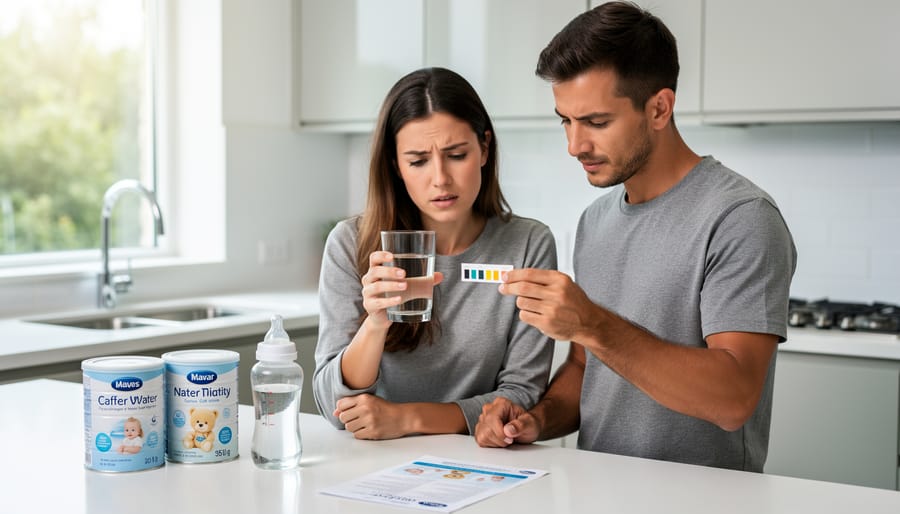
The Developing Immune System Factor
When you bring your newborn home, one of the most important things to understand is that their immune system is still a work in progress. During the first few months of life, babies have significantly lower defenses against harmful pathogens compared to older children and adults. This makes them particularly vulnerable to contaminants that might be present in your tap water.
Your baby’s developing digestive system also lacks the beneficial bacteria that help protect against illness. Their stomach produces less acid than an adult’s, which means harmful bacteria like E. coli, Salmonella, and other waterborne pathogens can survive and multiply more easily in their system. Even trace amounts of contaminants that wouldn’t affect healthy adults can cause serious illness in infants.
This heightened vulnerability is why proper water preparation for formula is so critical. What seems like perfectly safe tap water for your family may contain low levels of bacteria, lead, nitrates, or other contaminants that pose real risks to your baby’s health. Understanding this difference helps parents make informed decisions about water filtration and formula preparation methods. The good news is that with the right precautions and water treatment solutions, you can create a safe feeding environment that protects your little one during these crucial early months.
Concentration Effects in Formula
When you mix powdered formula with water, you’re actually concentrating whatever contaminants exist in that water. Here’s why this matters for your baby: powdered formula requires reconstitution at specific ratios, typically one scoop of powder to two ounces of water. This mixing process doesn’t dilute contaminants—it amplifies your baby’s exposure to them.
Think of it this way: if your tap water contains 10 parts per billion of lead, that concentration remains the same after mixing. However, because infants consume formula as their primary or sole nutrition source, they’re ingesting far more water relative to their body weight than adults do. A baby drinking 24 ounces of formula daily receives exponentially higher exposure to any waterborne contaminants compared to an adult drinking the same amount of water.
This concentration effect becomes particularly concerning with substances like nitrates, fluoride, arsenic, and heavy metals. While these contaminants might exist at levels considered “acceptable” for adult consumption, babies’ developing bodies are far more vulnerable. Their smaller size, immature organs, and rapid growth rate mean even trace amounts can have outsized impacts. Understanding this concentration principle helps explain why water quality isn’t just important—it’s critical when preparing infant formula.
Common Water Contaminants That Threaten Formula Safety
Bacterial and Microbial Threats
When preparing infant formula, understanding microbial threats in your water supply is essential for protecting your baby’s vulnerable immune system. Bacteria like E. coli can cause severe digestive issues, while Cryptosporidium—a parasitic organism—poses particular dangers to infants and may lead to prolonged diarrhea and dehydration. These pathogens often enter water systems through agricultural runoff, aging infrastructure, or contamination events.
Infants face heightened risks because their immune systems haven’t fully developed the defenses adults take for granted. Even small amounts of harmful bacteria that might cause minor discomfort in adults can result in serious illness requiring medical attention in babies under six months old. Other concerning microorganisms include Giardia and various strains of harmful bacteria that resist standard chlorination.
The good news is that proper water treatment effectively eliminates these threats. Boiling water for one minute kills most bacteria and parasites, making it the most accessible protection method for formula preparation. However, modern filtration systems with microbial reduction capabilities offer convenient, sustainable alternatives to constant boiling or relying on single-use bottled water. Understanding these risks empowers you to make informed decisions about your household water quality while protecting your little one’s health.
Chemical Contaminants to Watch
When preparing infant formula, understanding potential water contaminants is essential for protecting your baby’s developing system. Lead remains a top concern, as it can leach from older plumbing and cause irreversible developmental delays even at low levels. The EPA’s action level is 15 parts per billion, but no amount is truly safe for infants.
Fluoride, while beneficial for teeth, becomes problematic when formula-fed babies receive excessive amounts through both water and fortified formula. Concentrations above 0.7 mg/L may lead to dental fluorosis. Nitrates from agricultural runoff pose serious risks to babies under six months, potentially causing “blue baby syndrome” by interfering with oxygen transport in the blood.
Chlorine byproducts like trihalomethanes form when treatment facilities disinfect water. While these make water safer from bacteria, long-term exposure raises health concerns. Other contaminants in tap water include arsenic, pesticides, and microplastics, which can accumulate in a baby’s small body more quickly than in adults.
Testing your home’s water provides the clearest picture of what your baby might be consuming. Many contaminants are colorless and odorless, making detection impossible without proper analysis.
Heavy Metals and Minerals
When preparing formula for your baby, understanding what’s lurking in your tap water becomes especially important. Heavy metals and excessive minerals pose serious risks to developing infants, whose smaller body size and immature organ systems make them more vulnerable to contamination.
Lead remains a primary concern, particularly in homes with older plumbing systems. Even trace amounts can affect brain development and cause behavioral issues. Arsenic, which naturally occurs in groundwater in many regions, presents another hidden danger. Long-term exposure has been linked to developmental delays and increased cancer risk later in life.
Beyond these toxic metals, your water’s mineral content matters too. While some minerals are beneficial, excessive calcium and magnesium create “hard water” that can interfere with formula consistency and nutrient absorption. High sodium levels are particularly problematic for babies, whose kidneys aren’t equipped to process excess salt.
The challenge is that these contaminants are invisible, tasteless, and odorless. You can’t detect them without testing. Many parents assume municipal water treatment removes all harmful substances, but treatment standards don’t always account for infant-specific vulnerabilities. Well water users face additional concerns, as private wells aren’t regulated by federal safety standards.
Understanding your water’s composition through testing represents your first step toward protecting your baby while supporting sustainable household practices that benefit your entire family.
Safe Water Sources for Formula Preparation
Tap Water: When It’s Safe and When to Filter
Most municipal tap water in the United States meets federal safety standards for adults, but babies have different needs. Their developing immune systems and smaller bodies make them more vulnerable to contaminants that might be harmless to grown-ups.
Start by reviewing your community’s Consumer Confidence Report, which water utilities publish annually. This document reveals contaminant levels and any violations. You can request it from your water provider or find it online. Pay special attention to lead, nitrates, and bacterial contamination—these pose the greatest risks to infants.
If your home was built before 1986, lead pipes or fixtures may be present. Run cold water for 30 seconds before collecting it for formula to flush out any lead that accumulated in pipes overnight. However, this isn’t foolproof protection.
Consider water filtration if your report shows elevated contaminant levels, if you have well water, or if your home has older plumbing. Reverse osmosis systems remove the widest range of contaminants, though simpler carbon filters can address chlorine and improve taste. Well water users should test annually for bacteria, nitrates, and other common rural contaminants. When in doubt, filtration provides peace of mind without the environmental impact of bottled water.
Bottled Water Considerations
Bottled water might seem like a convenient option for formula preparation, but it requires careful consideration. Not all bottled water is created equal—some contains added minerals or fluoride that may not be suitable for infants. Always check labels for “purified,” “distilled,” or “demineralized” water specifically marketed for babies.
While bottled water offers portability, it creates significant environmental concerns. The plastic waste from single-use bottles contributes to landfills and ocean pollution, contradicting eco-conscious household values. A single baby can generate hundreds of plastic bottles annually through formula feeding alone.
From a practical standpoint, bottled water becomes expensive over time and requires constant restocking. If you do choose bottled water, look for BPA-free containers and consider larger refillable jugs to reduce plastic waste. However, investing in a quality home filtration system typically proves more economical and environmentally friendly long-term. This sustainable approach provides consistently safe water while eliminating ongoing plastic waste and reducing your household’s carbon footprint—aligning infant care with responsible environmental stewardship.
Well Water Special Precautions
Private well water requires extra vigilance since it’s not regulated by municipal water authorities. Unlike city water systems that undergo regular testing and treatment, well water quality is entirely your responsibility as a homeowner.
The EPA recommends testing well water at least annually for bacteria, nitrates, and other contaminants. However, families preparing infant formula should test more frequently—ideally every six months or immediately after any changes in taste, odor, or appearance. Newborns are particularly vulnerable to nitrate contamination, which can cause a serious condition called blue baby syndrome even at levels safe for adults.
Consider testing for additional contaminants beyond standard panels, including lead, arsenic, pesticides, and volatile organic compounds, especially if your well is located near agricultural areas or industrial sites. Local health departments often provide testing resources or can recommend certified laboratories.
If your well water shows any concerning levels of contaminants, avoid using it for formula preparation until you’ve addressed the issue through appropriate filtration or treatment. Installing a comprehensive filtration system designed to remove specific contaminants identified in your water tests provides the safest long-term solution for your family’s drinking water needs.
Water Filtration Solutions for Baby-Safe Formula Water
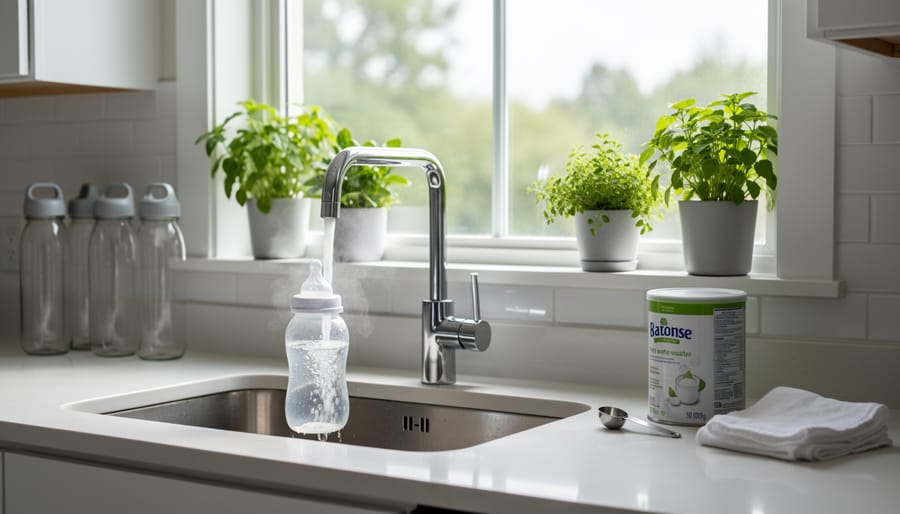
Point-of-Use Filters That Remove Critical Contaminants
When preparing formula for your baby, choosing the right filtration system makes a significant difference in water quality. Several filtered water systems effectively remove contaminants that pose risks to infant health.
Pitcher filters offer an affordable entry point for families concerned about water quality. These systems typically use activated carbon and ion-exchange technology to reduce chlorine, lead, and some heavy metals. While convenient and budget-friendly, they require regular filter replacements every two months and may not eliminate all harmful contaminants like fluoride or certain bacteria.
Faucet-mounted filters provide on-demand access to cleaner water without the wait time of pitcher systems. These compact units attach directly to your kitchen tap and filter out lead, chlorine, and sediment. They’re ideal for busy parents who need quick access to filtered water for formula preparation throughout the day.
Countertop filtration systems represent a more comprehensive solution, combining multiple filtration stages to address a broader range of contaminants. These eco-friendly alternatives to bottled water eliminate microplastics, pesticides, and pharmaceutical residues while maintaining beneficial minerals. Though requiring a larger initial investment, they offer superior protection and reduce plastic waste from disposable bottles.
Reverse Osmosis Systems for Ultimate Protection
Reverse osmosis systems represent the gold standard for baby water preparation, removing up to 99% of contaminants including heavy metals, nitrates, fluoride, and harmful microorganisms. These under-sink units use a multi-stage filtration process that pushes water through a semi-permeable membrane, catching particles as small as 0.0001 microns—far smaller than bacteria or viruses.
For families preparing formula regularly, RO systems offer convenient, on-demand access to purified water without the environmental waste of bottled water. Installation typically requires space under your kitchen sink and a connection to your cold water line. Most homeowners can expect professional installation costs between $300-500, with the system itself ranging from $200-600 depending on features.
One important consideration: RO filtration removes beneficial minerals along with contaminants. While this creates exceptionally pure water, some pediatricians recommend remineralization drops or filters for infant consumption. These inexpensive add-ons restore essential minerals like calcium and magnesium that support healthy development.
Modern RO systems feature improved water efficiency compared to older models, wasting less water during the filtration process—an eco-friendly advancement that aligns with sustainable household practices while protecting your baby’s health.
Eco-Friendly Filtration That Reduces Plastic Waste
Switching to reusable filtration solutions offers a powerful way to protect your baby while reducing environmental impact. The average family preparing infant formula with bottled water generates hundreds of plastic bottles annually, contributing to landfill waste and microplastic pollution that ultimately affects our water sources.
Modern home filtration systems provide a sustainable alternative that eliminates the need for single-use plastic bottles. These systems effectively remove contaminants like lead, chlorine, and fluoride while reducing your household’s plastic footprint. Pitcher filters, faucet-mounted units, and under-sink systems all offer varying levels of purification to meet your family’s needs.
Beyond environmental benefits, filtration systems prove more economical over time. The initial investment quickly pays for itself compared to ongoing bottled water purchases. Many systems also feature recyclable filter cartridges or take-back programs, further minimizing waste.
When choosing a filtration option, look for NSF-certified systems that specifically address contaminants relevant to infant formula preparation. This approach ensures your baby receives safe, clean water while supporting sustainable practices that protect the planet they’ll inherit.
Proper Formula and Water Preparation Techniques
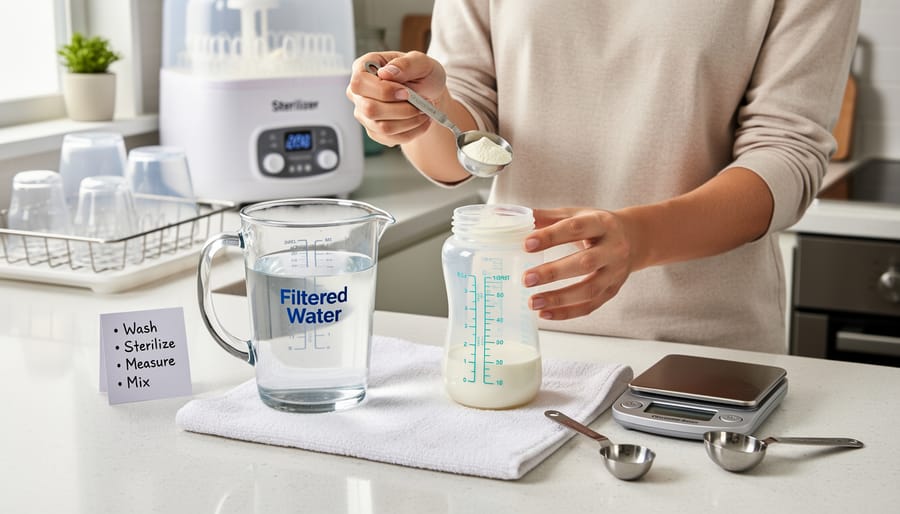
Boiling Water: When and How Long
Boiling water for formula preparation is essential when using well water, when your water source hasn’t been tested recently, or if your local health department issues a boil water advisory. For infants under three months, premature babies, or those with compromised immune systems, boiling tap water adds an extra safety layer regardless of your water source.
The proper boiling technique is straightforward: bring cold tap water to a rolling boil, then maintain that vigorous boil for one full minute. At elevations above 6,500 feet, extend the boiling time to three minutes to ensure complete sterilization. This process effectively eliminates harmful bacteria, parasites, and other microorganisms that could pose risks to your baby’s developing immune system.
After boiling, let the water cool naturally at room temperature for no more than 30 minutes before mixing with formula powder. The ideal temperature for mixing is lukewarm, around 98-100°F, which helps dissolve the formula properly without destroying vital nutrients. Never use artificially cooled water from ice or refrigeration immediately after boiling, as rapid temperature changes can affect the water’s safety properties. Always prepare fresh bottles rather than storing pre-boiled water for extended periods.
Temperature Guidelines for Mixing
Getting the water temperature right when preparing formula is essential for your baby’s safety and ensuring the nutrients remain intact. The World Health Organization recommends using water heated to at least 158°F (70°C) to effectively kill any harmful bacteria that might be present in powdered formula. This temperature is hot enough to eliminate pathogens like Cronobacter and Salmonella, which can pose serious health risks to infants.
However, boiling water and letting it cool for about 30 minutes typically achieves this ideal temperature range. Avoid using water that’s too hot, as temperatures above 175°F (80°C) can destroy heat-sensitive nutrients like vitamin C and certain probiotics that benefit your baby’s digestive system.
After mixing the formula at the proper temperature, always cool it down to body temperature—around 98°F (37°C)—before feeding. You can test this by shaking a few drops on your inner wrist; it should feel lukewarm, not hot. Using a reliable water filtration system at home ensures you’re starting with clean, contaminant-free water, reducing concerns about impurities while maintaining your commitment to sustainable living practices and minimizing plastic waste from bottled water.
Testing Your Home’s Water for Baby Safety
Essential Tests Every Parent Should Consider
When preparing formula for your infant, water quality testing helps identify specific contaminants that pose risks to developing immune systems. Priority tests should include lead, which can leach from older pipes and harm neurological development even at low levels. Nitrates deserve attention, particularly in rural areas with agricultural runoff, as they interfere with oxygen transport in infant blood. Arsenic testing matters since babies consume more water relative to body weight than adults, increasing exposure risks. Consider testing for bacteria like E. coli and total coliforms, especially if using well water. Fluoride levels warrant checking too, as excessive amounts can cause dental fluorosis in developing teeth. Finally, test for chlorine byproducts called trihalomethanes, which form when chlorine reacts with organic matter. Most municipal water suppliers provide annual quality reports, but independent testing offers current, household-specific results that reflect your home’s unique plumbing conditions.
DIY Testing Kits vs. Professional Analysis
When it comes to testing your tap water for baby formula preparation, you have two main options: at-home DIY testing kits and professional laboratory analysis. DIY test strips and kits offer convenience and affordability, typically ranging from $15 to $50, and provide quick results for common concerns like lead, chlorine, pH levels, and hardness. These work well for basic screening and give you immediate peace of mind about major contaminants.
However, professional laboratory testing offers comprehensive analysis of dozens of contaminants, including bacteria, nitrates, heavy metals, and emerging chemicals that DIY kits can’t detect. Labs use certified equipment and provide detailed reports with exact concentration levels, which is especially valuable if you live near agricultural areas, older infrastructure, or industrial sites. While more expensive ($100-$300), professional testing gives you the complete picture of your water quality. For most families preparing formula, starting with a quality DIY kit makes sense, then pursuing lab testing if you notice concerning results or have specific risk factors in your area.
Protecting your baby starts with understanding what goes into their formula preparation. Throughout this guide, we’ve explored the critical connection between water quality and infant health, from dangerous contaminants like lead and bacteria to the proper techniques for safe formula mixing. The message is clear: the water you use matters immensely for your little one’s wellbeing.
Taking action doesn’t have to be overwhelming. Start by testing your tap water to identify any concerns specific to your home. Whether you choose a simple pitcher filter for basic purification or install a comprehensive under-sink system for advanced protection, home filtration offers a reliable, eco-friendly solution that eliminates the ongoing cost and environmental impact of bottled water. By filtering at home, you’re reducing plastic waste while ensuring consistent access to safe water for every feeding.
Remember, small steps create lasting protection. Maintain your filtration system according to manufacturer guidelines, follow proper formula preparation temperatures, and stay informed about your local water quality reports. These practical measures empower you to confidently nourish your baby while contributing to a more sustainable household. Your baby’s health and our planet’s future both benefit from thoughtful choices about the water flowing through your home.