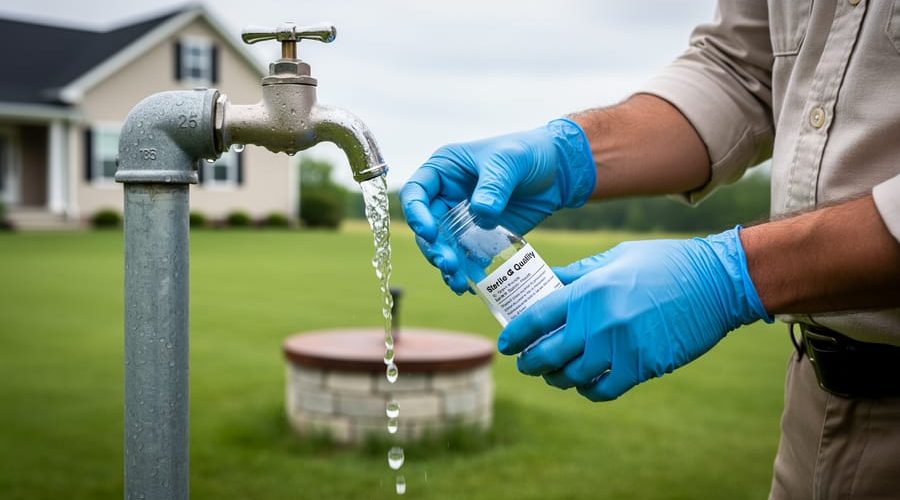
Test your well water annually for bacteria, heavy metals, nitrates, and pH levels through a certified laboratory—understanding your specific contaminants determines which treatment system you actually need rather than wasting money on unnecessary equipment. Private wells serve over 43 million Americans, yet many homeowners discover too late that untreated water contains invisible threats like arsenic, lead, or harmful microorganisms that standard municipal systems would filter out.
Start by identifying your water’s unique problems through comprehensive testing. Visible issues like rust stains, sulfur odors, or cloudiness signal specific contaminants, but the most dangerous pollutants—including bacteria, nitrates from agricultural runoff, and naturally occurring heavy metals—remain completely undetectable without laboratory analysis. Your test results will reveal whether you need sediment filtration, reverse osmosis, UV purification, water softening, or a combination of technologies.
Match treatment solutions to your household’s daily water usage and budget constraints. A family of four using 400 gallons daily requires different capacity than a weekend cabin, while your willingness to invest in whole-house systems versus point-of-use filters dramatically affects both upfront costs and long-term water quality outcomes.
Choose systems that balance effectiveness with environmental responsibility. Modern well water treatment has evolved beyond chemical-heavy methods to include sustainable options like catalytic carbon filters, salt-free conditioners, and energy-efficient UV sterilizers that protect your health without generating excessive waste or consuming unnecessary resources.
Understanding What’s Really in Your Well Water
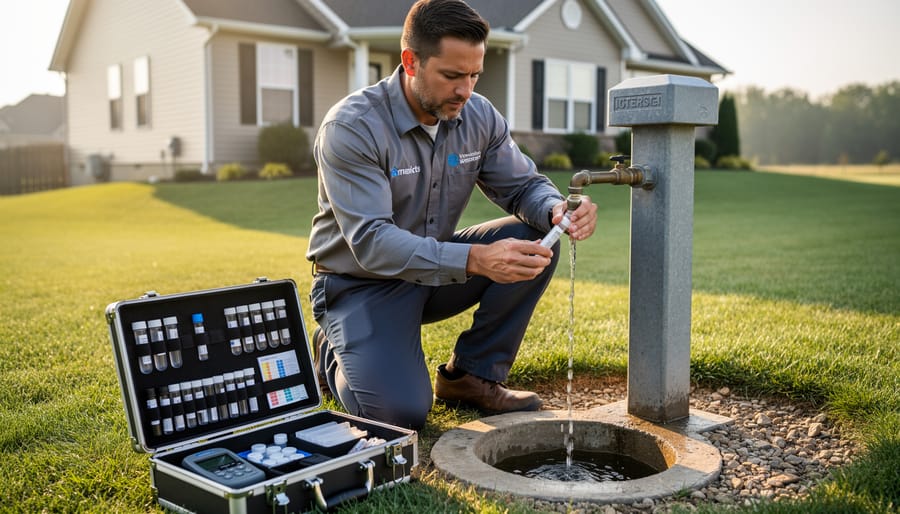
The Most Common Well Water Problems
Understanding what’s lurking in your well water is the first step toward finding the right treatment solution. While well water often provides fresh, naturally filtered groundwater, it can harbor various contaminants that affect both your health and home. Let’s explore the most common problems homeowners encounter.
Bacteria and microorganisms top the list of health concerns. Coliform bacteria, including E. coli, can enter wells through surface water runoff or faulty well construction. You might notice a slightly slimy texture or cloudy appearance, though many bacterial contaminants show no visible signs. Since these microorganisms can cause gastrointestinal illness, regular testing is essential.
Heavy metals like lead, arsenic, and mercury often dissolve into groundwater from natural deposits or industrial contamination. These invisible threats have no taste or odor but pose serious long-term health risks, including neurological damage and increased cancer risk. Only laboratory testing can detect their presence.
Hard water, caused by dissolved calcium and magnesium, affects nearly 85% of American homes. While not harmful to health, you’ll recognize it by soap scum buildup, spotty dishes, and dry skin after showering. Your appliances may also suffer from scale accumulation, reducing their efficiency and lifespan.
Iron and sulfur create some of the most noticeable water quality issues. Iron leaves reddish-brown stains on fixtures and laundry, while sulfur produces that distinctive rotten egg smell. Though primarily aesthetic problems, high concentrations can affect water taste and encourage bacterial growth.
Nitrates commonly enter wells through agricultural runoff and septic systems. Particularly dangerous for infants, nitrates can cause “blue baby syndrome” by interfering with oxygen transport in the blood. This colorless, odorless contaminant requires professional testing to identify.
Finally, sediment including sand, silt, and rust particles can make water appear cloudy or gritty. While usually more annoying than dangerous, sediment clogs pipes and damages water-using appliances over time.
Identifying these problems through proper testing allows you to select targeted, eco-friendly treatment solutions that protect both your family and the environment.
Why Professional Water Testing Matters
Understanding what’s actually in your well water is the essential first step before investing in any treatment system. Many homeowners make the mistake of purchasing equipment based on guesswork or assumptions, which can waste money and fail to address actual contaminants present in their water.
There are two main levels of water testing available. Basic testing typically checks for common issues like bacteria, pH levels, hardness, and iron. While this entry-level screening costs less and provides quick results, it only scratches the surface. In contrast, comprehensive water testing analyzes dozens of parameters including heavy metals like lead and arsenic, agricultural chemicals, nitrates, volatile organic compounds, and emerging contaminants such as PFAS. This thorough analysis gives you a complete picture of your water quality and any potential health risks.
Key parameters to evaluate include microbial contaminants (bacteria and viruses), inorganic compounds (heavy metals, nitrates, fluoride), organic chemicals (pesticides, herbicides), and physical properties (turbidity, sediment, taste, and odor). Each contaminant requires specific treatment approaches, which is why accurate testing is non-negotiable.
Your test results directly guide which treatment technologies you’ll need. For example, high iron levels might require an oxidation filter, while bacterial contamination demands UV disinfection or chlorination. Hard water calls for a softener, and arsenic presence necessitates specialized filtration. Testing eliminates guesswork, ensuring you invest in solutions that actually solve your unique water challenges while protecting your family’s health and your home’s plumbing infrastructure.
Types of Well Water Treatment Systems Explained
Sediment and Particulate Filters
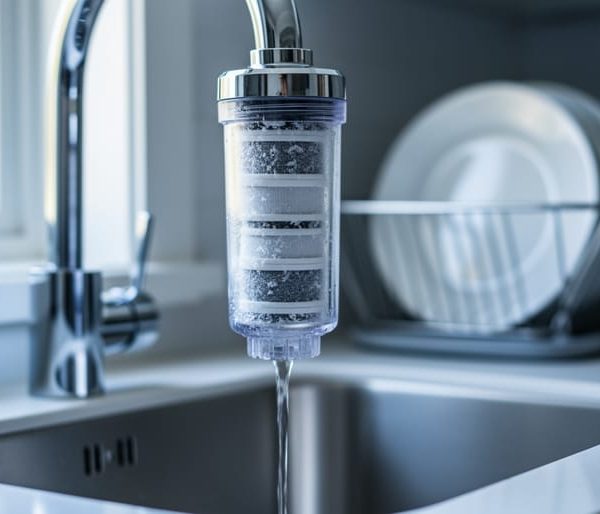
Sediment and particulate filters work through mechanical filtration—essentially acting as a barrier that captures solid particles as water passes through. Think of it like a coffee filter for your well water. These filters trap sand, dirt, rust, and other visible particles before they reach your faucets or damage appliances.
The effectiveness depends on the micron rating, which measures the size of particles the filter can catch. One micron equals one-millionth of a meter. A 5-micron filter removes particles you can see with your naked eye, while a 1-micron filter catches much finer sediment. Most homes start with a 20-micron pre-filter and follow with a 5-micron filter for better protection.
You need sediment filtration if your water appears cloudy, leaves gritty residue, or if you notice sandy buildup in fixtures. It’s particularly important as a first defense before other treatment systems, since sediment can clog more sophisticated filters and reduce their lifespan.
Basic sediment filter housings cost between $30-100, with replacement cartridges running $5-30 depending on quality and micron rating. Plan to replace cartridges every 3-6 months for optimal performance. This affordable solution protects your plumbing investment while reducing waste from appliance repairs.
Water Softeners for Hard Water
If you’ve noticed white buildup on faucets, dry skin after showering, or soap that won’t lather properly, you’re likely dealing with hard water problems. Water softeners offer an effective solution by using ion exchange technology to remove calcium and magnesium—the minerals responsible for water hardness.
How do they work? Salt-based water softeners contain resin beads that attract and trap calcium and magnesium ions, replacing them with sodium ions. As hard water flows through the system, these minerals stick to the beads, and softened water exits for household use. When the resin becomes saturated, the system regenerates using salt brine to flush away accumulated minerals.
Salt-based systems are the gold standard for treating severe hardness, but they do require regular salt refills and produce wastewater during regeneration. For eco-conscious homeowners, salt-free conditioners offer an alternative—they don’t actually remove minerals but instead prevent them from forming scale deposits. While gentler on the environment, they’re best suited for moderate hardness levels.
Maintenance is straightforward: check salt levels monthly, clean the brine tank annually, and schedule periodic professional inspections. Most modern systems include efficiency features that reduce water waste during regeneration cycles, aligning with sustainable living practices. When choosing between options, consider your water hardness level, household size, and environmental priorities to find the right fit for your well water needs.
Iron and Sulfur Removal Systems
Iron and sulfur problems are among the most common well water issues homeowners face. Iron exists in two forms: ferrous (dissolved, clear water iron) and ferric (oxidized, visible rust particles). When water containing ferrous iron sits exposed to air, it oxidizes and leaves those telltale rust stains on sinks and laundry.
For lower iron concentrations, oxidation filters work effectively by converting ferrous to ferric iron, then trapping the particles. These systems use natural oxygen or specialized media like manganese dioxide. For higher levels, chemical injection systems introduce oxidizers like chlorine or hydrogen peroxide before filtration, offering a more powerful solution.
If your water smells like rotten eggs, that’s hydrogen sulfide gas—a sulfur compound that’s unpleasant but typically harmless. Activated carbon filters can remove mild odors, while aeration systems effectively strip the gas from water by increasing air contact. For severe cases, oxidation combined with filtration proves most effective.
Combination systems tackle both iron and sulfur simultaneously, making them economical and space-efficient for wells with multiple contaminants. Modern innovations include catalytic carbon filters and advanced oxidation media that require minimal maintenance while delivering clean, odor-free water. These eco-friendly options reduce chemical usage compared to traditional treatment methods, aligning with sustainable household practices.
UV Disinfection Systems
UV disinfection systems offer a chemical-free, environmentally-friendly way to eliminate harmful microorganisms from your well water. These systems work by exposing water to ultraviolet light at a specific wavelength (typically 254 nanometers), which penetrates bacteria, viruses, and other pathogens, disrupting their DNA and rendering them unable to reproduce or cause illness. Think of it as giving these microbes a sunburn that stops them in their tracks.
UV treatment is particularly necessary if your water tests positive for coliform bacteria, E. coli, or other biological contaminants. It’s also smart protection after flooding or if your well is vulnerable to surface water infiltration. The beauty of UV systems is they don’t alter your water’s taste, pH, or mineral content, and they produce no chemical byproducts.
However, UV has limitations. It only addresses living organisms and won’t remove chemicals, heavy metals, or sediment. The water must be relatively clear since particles can shield microorganisms from UV exposure. Most experts recommend pairing UV with a sediment pre-filter for best results.
Maintenance is straightforward but essential. UV bulbs lose effectiveness over time and typically need replacement annually, even if still glowing. The quartz sleeve protecting the bulb requires periodic cleaning to maintain peak performance. Many modern systems include monitoring features that alert you when bulb replacement is due, ensuring continuous protection for your household.
Reverse Osmosis Systems
Reverse osmosis filtration represents one of the most effective technologies for removing stubborn well water contaminants. This process forces water through an incredibly fine membrane that blocks particles as small as 0.0001 microns, effectively eliminating heavy metals like lead and arsenic, nitrates, fluoride, dissolved salts, and many industrial chemicals that other systems miss.
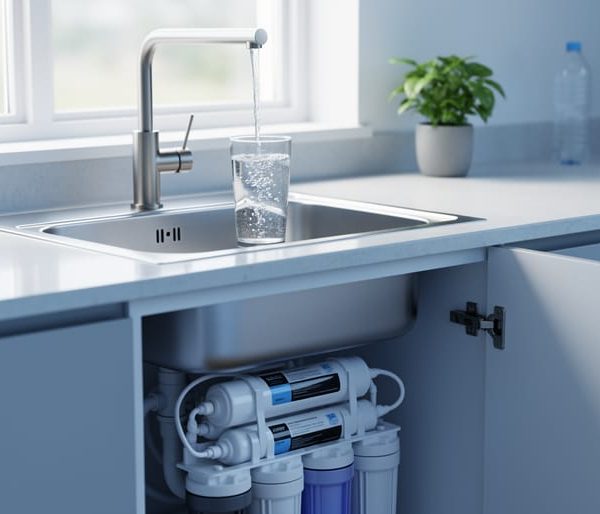
You can choose between point-of-use systems, typically installed under your kitchen sink for drinking and cooking water, or whole-house units that treat all water entering your home. Point-of-use systems are more affordable and practical for most households, while whole-house applications suit those needing comprehensive protection.
The main consideration with RO systems is water efficiency. Traditional units waste 3-4 gallons for every gallon of purified water produced, though newer eco-friendly models have improved this ratio significantly. Some innovative systems now recycle reject water for landscaping or laundry, reducing waste. While RO systems require periodic membrane and filter replacements, their thorough contaminant removal makes them invaluable for wells with multiple water quality challenges, particularly where health concerns exist.
Whole House Multi-Stage Systems
When your well water has multiple contaminants—like iron, bacteria, sediment, and hard minerals—a single filter won’t cut it. That’s where whole house multi-stage systems shine. These comprehensive setups combine different treatment technologies in a specific sequence to tackle various problems simultaneously.
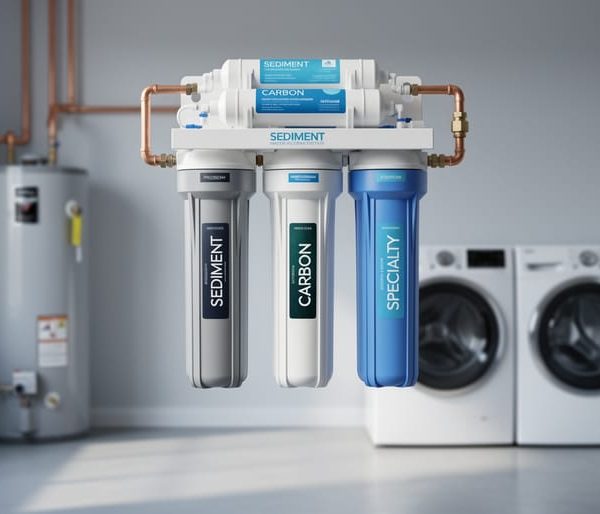
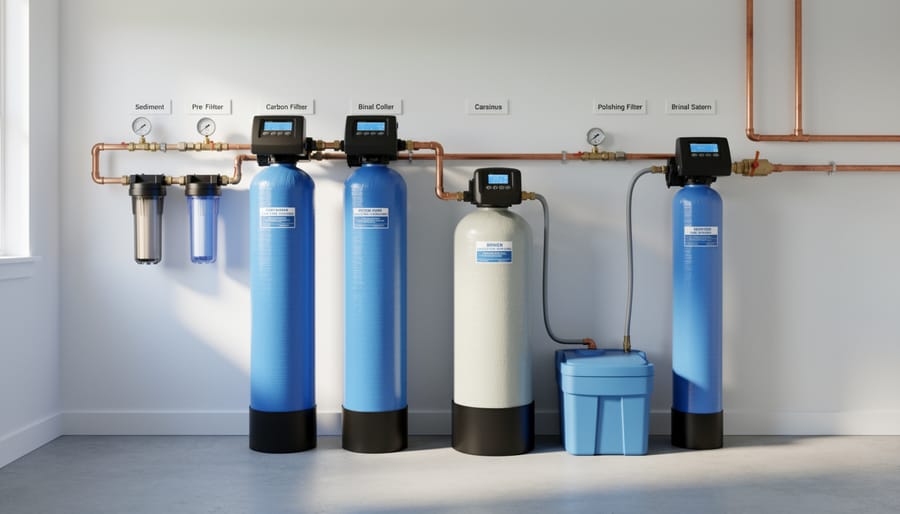
A typical multi-stage configuration starts with a sediment pre-filter to remove particles, followed by specialized treatments like iron filters or UV purifiers for bacteria, and finishes with activated carbon for taste and odor. For homes with hard water plus contamination issues, you might see a water softener paired with reverse osmosis or catalytic carbon filtration.
You’ll need a multi-stage system if your water test reveals three or more contaminants, or when issues like iron bacteria require both oxidation and disinfection. These systems are particularly valuable for eco-conscious homeowners because they target specific problems efficiently, reducing water waste compared to oversized single-technology solutions. Modern systems also feature smart monitoring that tracks filter life and water quality, helping you maintain optimal performance while minimizing environmental impact through timely maintenance rather than reactive replacements.
Key Features to Look for When Buying
Flow Rate and Household Capacity
Understanding your household’s water demand is essential before investing in any treatment system. To calculate your daily water needs, consider that the average American uses about 80-100 gallons per day. A family of four typically requires 300-400 gallons daily, though this varies based on lifestyle and appliance usage.
Flow rate, measured in gallons per minute (GPM), determines how well your system can handle simultaneous water use. Most households need a treatment system with a minimum flow rate of 6-10 GPM. To estimate your peak demand, count the fixtures you might use simultaneously. For example, a shower uses roughly 2.5 GPM, a washing machine about 3 GPM, and a kitchen faucet around 2 GPM. If these run together, you need at least 7.5 GPM capacity.
Installing an undersized system creates frustrating pressure drops when multiple taps run at once. You might notice weak showers during laundry cycles or slow-filling toilets when someone’s washing dishes. Beyond convenience, inadequate flow rates can reduce treatment effectiveness, allowing contaminants to pass through incompletely filtered water. Always size your system 20-30 percent above your calculated peak demand to account for future needs and maintain optimal performance while ensuring thorough contaminant removal.
Certification Standards That Matter
When choosing a well water treatment system, understanding NSF certification standards helps ensure you’re investing in reliable protection. NSF International and the American National Standards Institute (ANSI) have established independent testing protocols that verify whether treatment systems actually remove the contaminants they claim to address.
Different NSF/ANSI standards target specific water quality issues. NSF/ANSI 53 covers systems that reduce health-related contaminants like lead, mercury, and certain pesticides. NSF/ANSI 42 focuses on aesthetic concerns such as taste, odor, and chlorine. For well owners dealing with microbial threats, NSF/ANSI 55 certifies ultraviolet disinfection systems that eliminate bacteria and viruses.
Third-party testing matters because it provides unbiased verification. Unlike manufacturer claims, certified products undergo rigorous testing by independent laboratories to confirm their performance. This transparency protects your family’s health and your investment.
When evaluating treatment systems, look for certifications that match your specific water test results. A system certified to remove arsenic won’t necessarily address iron or hardness issues. Matching the right certification to your contaminant profile ensures effective treatment while supporting sustainable water practices through proven, efficient technology.
Maintenance Requirements and Ongoing Costs
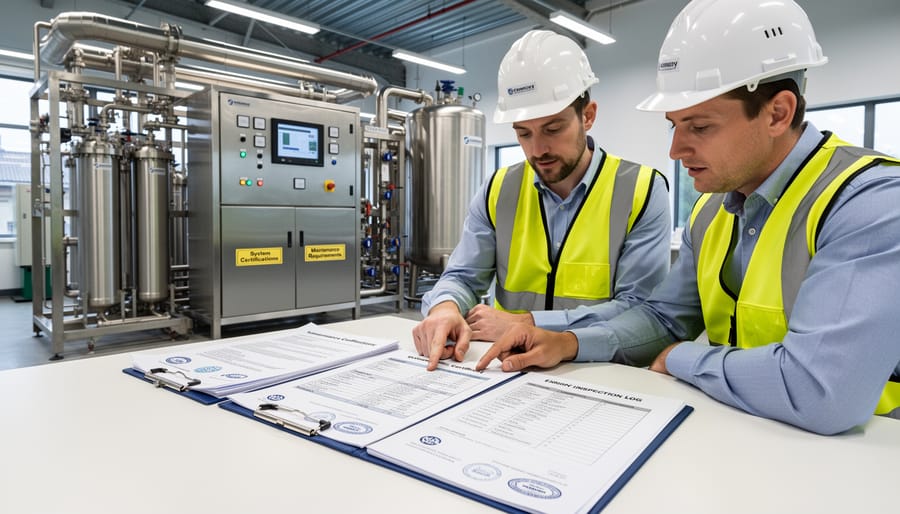
Understanding the ongoing maintenance costs helps you budget effectively and choose a sustainable well water treatment solution. Most systems require regular attention to function optimally.
Filter replacement schedules vary by system type. Sediment filters typically need changing every 3-6 months, while activated carbon filters last 6-12 months depending on water usage and contamination levels. Reverse osmosis membranes can last 2-3 years with proper care. Expect to spend $50-300 annually on filter replacements for most household systems.
Water softeners using ion exchange require salt refills, averaging $5-10 monthly, plus electricity costs of roughly $2-5 per month. Regeneration cycles occur automatically every few days, using about 50 gallons of water per cycle. UV systems consume minimal electricity (similar to a light bulb) but require annual bulb replacements costing $50-150.
Chemical injection systems need periodic refills of treatment solutions, with costs varying based on contamination severity. Budget $100-400 yearly for chemicals.
Calculate your total cost of ownership by adding purchase price, installation, annual maintenance, and energy costs over the system’s expected lifespan (typically 10-20 years). Systems with lower upfront costs sometimes require more frequent maintenance, while premium options with efficient designs and longer-lasting components can prove more economical long-term. Consider eco-friendly options that minimize water waste during regeneration and use sustainable materials.
Installation Considerations
Choosing the right installation approach depends on your system complexity and comfort level with plumbing work. Simple point-of-use filters and basic sediment systems are often suitable for DIY installation tips, requiring only basic tools and following manufacturer instructions. However, whole-house systems, UV purifiers, and reverse osmosis units typically benefit from professional installation to ensure proper water pressure, drainage connections, and optimal performance.
Space requirements vary significantly by system type. Whole-house filtration systems need approximately 2-4 feet of clearance along your main water line, while under-sink reverse osmosis units require about 15-20 inches of cabinet space. Consider future filter access when planning placement.
Electrical needs are minimal for most filtration systems, but UV sterilizers and some advanced systems require dedicated 110V outlets near the installation site. Ensure your location has proper GFCI protection for safety.
Drainage is essential for systems with backwash cycles or reverse osmosis units, which produce wastewater. You’ll need access to a floor drain, sump pump, or suitable discharge point. Some eco-friendly systems now feature minimal wastewater production, reducing environmental impact while maintaining effectiveness. Always verify local plumbing codes before installation.
Top-Rated Well Water Treatment Systems Reviewed
Best Overall Whole House System
The SpringWell Whole House Well Water Filter System stands out as our top recommendation for comprehensive well water treatment. This powerful multi-stage system combines a sediment pre-filter, catalytic carbon filter, and optional UV purification stage to tackle sediment, chlorine, iron, manganese, sulfur odors, and harmful microorganisms in one integrated solution.
With a robust flow rate of 12 gallons per minute, this system handles the demands of a family household without sacrificing water pressure. The four-stage filtration process removes particles down to 5 microns while the activated carbon media eliminates up to 99.6% of contaminants. The optional UV component provides an extra layer of protection against bacteria and viruses, making it ideal for households concerned about biological contamination.
Installation is straightforward for homeowners comfortable with basic plumbing, though professional setup is recommended. The system includes a 6-month money-back guarantee and lifetime warranty on tanks and valves, demonstrating the manufacturer’s confidence in durability. While the upfront investment is higher than single-purpose filters, the comprehensive protection and minimal maintenance requirements—filter changes every 6-12 months—deliver excellent long-term value for well-dependent homes seeking reliable, eco-conscious water treatment.
Best Budget-Friendly Option
For homeowners dealing with straightforward water quality issues like sediment, chlorine taste, or mild hardness, a basic sediment filter paired with a carbon filtration system offers reliable treatment at an accessible price point, typically ranging from $300 to $800 for complete setup. These entry-level systems effectively remove particles, improve taste and odor, and reduce common contaminants without the investment required for whole-house reverse osmosis or UV purification systems.
The main compromise at this price range involves limited contaminant removal. Budget-friendly options won’t address heavy metals, bacteria, or complex chemical pollutants that require more advanced technologies. You’ll also need to replace filters more frequently—often every three to six months—which adds to long-term costs. Flow rates may be slower, and you won’t find smart monitoring features or automatic alerts common in premium systems.
However, for wells with minimal contamination confirmed through proper water testing, these affordable solutions provide essential protection while staying environmentally conscious through reduced plastic bottle waste. Consider starting here and upgrading specific components as your water quality needs evolve, creating a customized system that grows with your requirements.
Best for Iron and Sulfur Removal
If your well water has a rotten egg smell or leaves rusty orange stains on fixtures and laundry, you’re likely dealing with iron and sulfur contamination. These are among the most common well water complaints, but fortunately, specialized filtration systems effectively tackle both issues.
Air injection oxidation systems represent the cutting-edge solution for simultaneous iron and sulfur removal. These innovative units introduce oxygen into your water, converting dissolved iron and sulfur into particles that can be filtered out. The process is chemical-free, making it an environmentally friendly choice that doesn’t add anything artificial to your water supply.
For homes with lower contamination levels, catalytic carbon filters offer an economical alternative. These systems use specially treated carbon media that removes iron, sulfur, and manganese while also improving taste and odor. They’re particularly effective when iron levels stay below 3 parts per million.
When choosing a system, have your water professionally tested to determine exact iron and sulfur concentrations. This ensures you select appropriately sized equipment. Most quality systems require minimal maintenance, typically just annual media replacement or backwashing, making them practical long-term investments for cleaner, odor-free well water.
Best UV Disinfection System
The Viqua D4 Premium UV Water Disinfection System stands out as our top choice for eliminating bacterial contamination in well water. This system uses ultraviolet light technology to destroy 99.99% of harmful microorganisms including E. coli, cryptosporidium, and giardia without adding chemicals to your water supply. The D4 model handles flow rates up to 12 gallons per minute, making it suitable for most households.
What makes this system particularly homeowner-friendly is its straightforward maintenance schedule. You’ll need to replace the UV lamp annually and clean the quartz sleeve every six months, both simple tasks that take just minutes. The visual lamp life indicator eliminates guesswork about when replacements are due. Built with high-quality stainless steel construction, this unit offers exceptional durability and consistent performance for years.
The eco-friendly nature of UV disinfection is worth highlighting – it requires no chemicals, produces no wastewater, and uses roughly the same energy as a 40-watt light bulb. For homeowners seeking reliable bacterial protection without environmental impact, the Viqua D4 delivers outstanding value and peace of mind.
Best Eco-Friendly System
For environmentally-conscious homeowners, choosing a well water treatment system that aligns with sustainable living practices matters just as much as water quality itself. The good news? Several innovative systems now minimize environmental impact while delivering excellent results.
Salt-free water conditioners represent one of the most eco-friendly options available. Unlike traditional water softeners that require salt and discharge brine wastewater, these systems use template-assisted crystallization to prevent scale buildup without chemicals or regeneration cycles. They consume zero water during operation and require minimal electricity.
Reverse osmosis systems with permeate pumps have revolutionized water efficiency. Traditional RO systems waste up to four gallons for every gallon purified, but permeate pump technology reduces waste to just one gallon per gallon treated—a 75% improvement that saves thousands of gallons annually.
UV purification systems deserve recognition for chemical-free disinfection. These systems use ultraviolet light to neutralize bacteria and viruses without adding anything to your water or generating wastewater. Modern LED UV systems consume less than 40 watts—similar to a standard lightbulb—while providing continuous protection.
When evaluating eco-friendly systems, consider the total environmental footprint including energy consumption, water waste, chemical usage, and filter replacement frequency. Many manufacturers now publish sustainability metrics to help you make informed choices.
Installation and Maintenance Best Practices
Setting Up Your System for Success
Proper installation of your well water treatment system can mean the difference between years of reliable performance and ongoing frustration. Start by choosing the right location—ideally in a climate-controlled space like your basement or utility room where temperatures remain stable year-round. This protects sensitive components and prevents freezing during winter months.
Before installing your primary treatment system, consider adding a sediment pre-filter. Think of it as a protective guard that catches larger particles like sand, silt, and rust before they reach your main filtration equipment. This simple addition can dramatically extend the lifespan of your system and reduce maintenance needs. Most pre-filters cost under fifty dollars and take just minutes to install on your main water line.
When positioning your system, ensure adequate clearance on all sides for filter changes and maintenance access. Leave at least two feet of working space around the unit—your future self will thank you when it’s time to replace cartridges. Install a bypass valve during setup so you can divert water flow if repairs are needed without shutting down your entire household supply.
Pay attention to water pressure requirements too. Most treatment systems operate best between 40-80 PSI. If your well pump delivers pressure outside this range, install a pressure regulator to protect your investment. Finally, mark your calendar for the recommended maintenance schedule immediately after installation. This proactive approach prevents small issues from becoming costly problems down the road.
Keeping Your System Running Efficiently
Regular maintenance keeps your well water treatment system working effectively for years while preventing costly repairs. Most systems require quarterly filter checks and annual professional inspections, though specific schedules vary by equipment type. Mark your calendar to inspect visible components monthly—look for leaks, unusual sounds, or changes in water pressure that signal potential issues.
Simple DIY tasks make a significant difference in system longevity. Replace sediment pre-filters every three to six months, depending on your water quality. For reverse osmosis systems, sanitize storage tanks annually and replace membrane filters every two to three years. Softener users should check salt levels monthly and clean the brine tank once yearly to prevent buildup that reduces efficiency.
Watch for warning signs that indicate your system needs attention. Sudden changes in water taste, odor, or appearance mean filters may be exhausted. Decreased water pressure often points to clogged filters or mineral accumulation. If your softener uses more salt than usual or you notice hard water symptoms returning, the resin bed may need replacement or regeneration adjustments.
Keep detailed maintenance records including filter changes, water test results, and any repairs. This documentation helps identify patterns and ensures you stay on schedule. Most modern systems include monitoring features or smartphone apps that track performance and send replacement reminders—embrace these eco-friendly innovations that prevent waste from premature equipment failure while ensuring your family always has access to clean, safe water.
Environmental Impact and Sustainable Choices
When choosing well water treatment solutions, it’s important to consider their environmental footprint alongside their effectiveness. Many homeowners today want systems that protect both their family’s health and the planet, making sustainability a key factor in the decision-making process.
Water waste is a primary concern with certain treatment methods. Reverse osmosis systems, while highly effective at removing contaminants, typically discharge 3-5 gallons of wastewater for every gallon of purified water produced. This can add up to thousands of gallons monthly for an average household. If you’re considering RO systems, look for newer models with improved efficiency ratios or consider point-of-use systems for drinking water only rather than whole-house applications.
Chemical usage varies significantly across treatment options. Traditional water softeners rely on salt, which enters wastewater and can impact local ecosystems and septic systems. Salt-free conditioners and catalytic media systems offer alternatives that don’t discharge sodium into the environment. For disinfection, UV light systems provide chemical-free pathogen elimination, using only electricity to protect your water supply without adding chlorine or other substances.
Energy consumption differs substantially between systems. UV purifiers and electric water softeners use continuous power, though modern Energy Star certified models minimize this impact. Gravity-fed ceramic filters and certain carbon filtration systems require zero electricity, making them excellent choices for off-grid living or reducing your carbon footprint.
When exploring eco-friendly water treatment options, prioritize systems with long-lasting filter media to reduce replacement frequency and waste. Look for manufacturers offering recycling programs for spent filters and cartridges. Consider solar-powered well pumps paired with efficient treatment systems to create a truly sustainable water supply chain.
Making environmentally responsible choices doesn’t mean compromising on water quality. By carefully evaluating efficiency ratings, chemical requirements, and waste production, you can select treatment solutions that deliver pure, safe water while minimizing environmental impact.
Making the right choice for your well water treatment system starts with understanding what’s actually in your water. Before investing in any treatment solution, comprehensive water testing is essential. This simple step reveals exactly which contaminants you’re dealing with and prevents you from purchasing equipment you don’t need or, worse, equipment that won’t address your specific issues.
As you evaluate your options, keep several key factors in mind. Consider the types of contaminants present in your water, your household’s daily water usage, your budget for both initial purchase and ongoing maintenance, and the environmental impact of your chosen system. Systems that reduce water waste, operate efficiently, and use eco-friendly methods align with sustainable living principles while protecting your family’s health.
Today’s cutting-edge water innovations offer solutions that balance effectiveness with environmental responsibility. From chemical-free UV purification to multi-stage filtration systems that tackle multiple contaminants simultaneously, you have more choices than ever to create a treatment approach tailored to your needs.
Ready to take action? Start by scheduling a professional water test or purchasing a reliable home testing kit. Review your results carefully, identify your priority contaminants, and research treatment systems designed to address those specific issues. Consider consulting with water treatment professionals who can provide personalized recommendations based on your unique situation. Remember, investing in the right well water treatment system is an investment in your family’s health and our planet’s future.