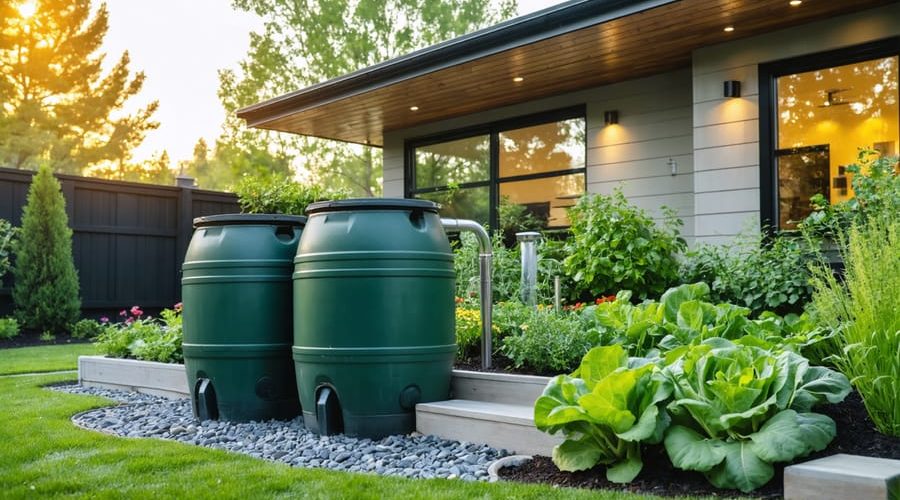
Capture free water falling on your roof and slash your municipal water bills by 30-50% annually while securing an independent supply during droughts and restrictions. Modern rainwater harvesting systems range from simple rain barrel setups costing under $100 to whole-home solutions that can meet 100% of your outdoor watering needs and supplement indoor usage. Install a basic collection system in a single weekend using your existing gutters and downspouts, positioning barrels to gravity-feed garden beds and lawn areas without electrical pumps.
The average American household uses 300 gallons of water daily, with nearly 30% dedicated to outdoor purposes. Rainwater collection directly offsets this demand while providing chemical-free water that plants actually prefer over treated tap water. Your roof becomes a productive asset, transforming an average rainfall of 30 inches per year on a 1,500 square foot surface into roughly 28,000 gallons of harvestable water.
Beyond immediate cost savings, collected rainwater reduces stormwater runoff that overwhelms municipal systems and carries pollutants into local waterways. You gain resilience against water restrictions, climate variability, and rising utility rates while decreasing your household’s environmental footprint. Whether you start with a single barrel for garden irrigation or invest in a comprehensive filtration system for household use, rainwater harvesting delivers measurable financial returns alongside tangible sustainability benefits that compound over decades of use.
Slash Your Water Bills While You Sleep
What Your Roof Is Really Worth
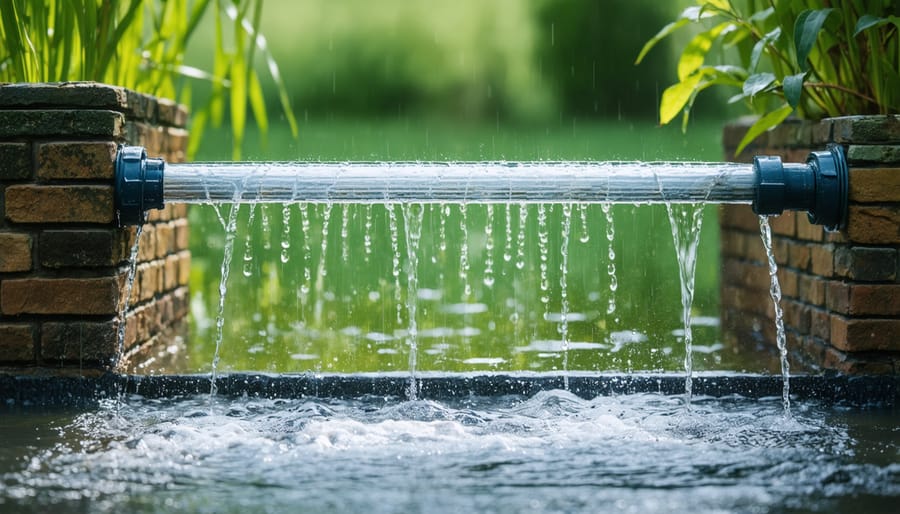
Your roof is essentially a water-catching machine that most homeowners completely overlook. Let’s put this into perspective with real numbers. The average American home has about 1,600 square feet of roof space. In an area receiving 30 inches of annual rainfall (close to the U.S. average), that roof can collect approximately 30,000 gallons of water each year. That’s enough to fill a standard swimming pool.
Now, let’s translate those gallons into actual dollar savings. With the average U.S. water rate hovering around $1.50 per 1,000 gallons, harvesting even half of your roof’s runoff through gutter collection systems could save you approximately $22 annually just on outdoor watering needs. In regions with higher water costs like California or Nevada, where rates can exceed $3 per 1,000 gallons, those savings double or triple.
For a household using collected rainwater for toilets, laundry, and outdoor irrigation, annual savings can reach $200-400. The numbers climb even higher in drought-prone areas where tiered pricing penalizes heavy water users with premium rates.
The Payback Timeline Nobody Talks About
Understanding when your rainwater collection system will pay for itself helps you make an informed decision. The timeline varies significantly based on system size and your local water rates.
For a basic roof water collection setup with simple rain barrels (costing $200-500), most homeowners see payback within 2-4 years if they regularly water gardens or lawns. These systems can save $150-250 annually on water bills for typical outdoor watering needs.
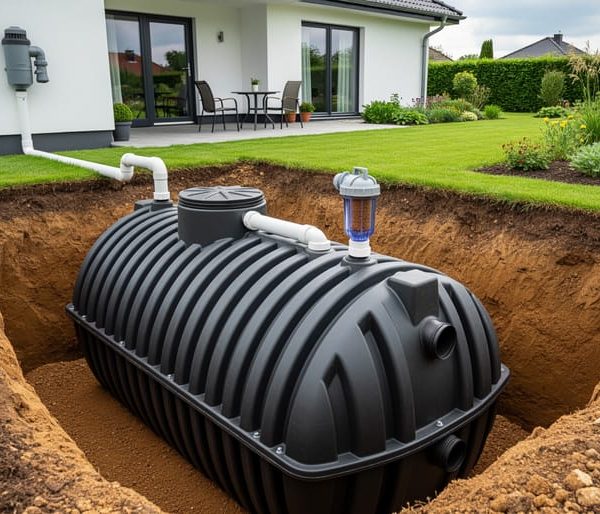
Mid-range systems ($2,000-5,000) that include larger storage tanks and filtration typically pay for themselves in 5-10 years. These work well for households using harvested water for toilets, laundry, and irrigation, potentially saving $400-800 per year depending on local water costs.
Whole-house systems ($8,000-15,000) with advanced filtration and pumps have longer payback periods of 10-20 years. However, they offer the greatest water independence and savings of $800-1,500 annually in areas with high water rates or frequent droughts.
The key factor is your water usage patterns and local utility costs. Homes in water-scarce regions or those with extensive landscaping see faster returns on investment.
Your Garden Will Actually Thank You
If you’ve ever wondered why your plants seem to thrive during rainy seasons, there’s science behind it. Rainwater is naturally superior to tap water for your garden, and your plants can actually tell the difference.
Unlike municipal water, rainwater is free from chlorine and chloramines—chemicals added to tap water to kill bacteria but that can actually inhibit beneficial soil microorganisms. These microscopic helpers play a crucial role in breaking down organic matter and making nutrients available to plant roots. When you water with rainwater, you’re preserving this vital underground ecosystem.
The pH level of rainwater typically falls between 5.0 and 6.0, which is slightly acidic and ideal for most garden plants. This natural acidity helps release nutrients from the soil, making them more accessible to your plants. In contrast, treated water often has a higher pH, sometimes requiring soil amendments to achieve optimal growing conditions.
Rainwater is also naturally soft, meaning it lacks the dissolved minerals like calcium and magnesium found in hard tap water. While these minerals aren’t harmful, they can build up in soil over time, creating a crusty white residue and potentially affecting nutrient absorption. Soft rainwater penetrates soil more effectively, reaching deeper root zones without leaving behind mineral deposits.
Perhaps most importantly, rainwater contains dissolved nitrogen from the atmosphere—a natural fertilizer that gives plants a subtle growth boost with every watering. This is why lawns often look greener after a rainstorm compared to after irrigation.
The benefits become even more noticeable with container plants and delicate seedlings, which are particularly sensitive to water quality. Many gardeners report fewer transplant shock issues and faster establishment when using collected rainwater. Your garden isn’t just accepting rainwater—it’s actually optimized to thrive on it.

Protect Your Home When Droughts Hit
When droughts strike or water restrictions come into effect, having a rainwater collection system transforms from a nice-to-have into a genuine lifeline for your property. Climate patterns are becoming increasingly unpredictable, and many regions now face regular water shortages that can last weeks or even months. A well-designed rainwater harvesting system gives you control over your water supply when municipal sources become unreliable or restricted.
During mandatory water bans, your neighbors may watch their carefully cultivated gardens wither and lawns turn brown, but you’ll have reserve water to keep your landscaping alive. Most water restrictions specifically exempt stored rainwater from usage limitations, meaning you can continue watering plants, washing outdoor surfaces, and maintaining your property’s appearance and value. This proves especially valuable if you’ve invested time and money developing mature gardens or maintaining specific plantings that can’t easily be replaced.
Beyond landscaping, rainwater storage provides essential backup during emergencies. Natural disasters, infrastructure failures, or contamination events can disrupt municipal water supplies without warning. Having several hundred or even thousand gallons of collected rainwater means your household can continue basic operations while others scramble for bottled water or wait for services to restore. You can flush toilets, wash clothes, clean dishes, and handle outdoor tasks without rationing your drinking water supplies.
The peace of mind this backup provides shouldn’t be underestimated. Knowing you’re not entirely dependent on a single water source reduces anxiety during dry spells and gives you genuine independence. Your rainwater system becomes an insurance policy that pays dividends precisely when you need it most. As climate variability increases and water resources face mounting pressure, this security only becomes more valuable. You’re not just collecting water; you’re building resilience into your home’s infrastructure for whatever weather patterns the future holds.
The Environmental Impact That Actually Matters

Stop Flooding Before It Starts
When heavy rains hit, neighborhoods without proper drainage systems face serious flooding risks. Installing a rainwater collection system acts as your first line of defense by capturing rainfall before it becomes problematic runoff. Every gallon your system collects is one less gallon rushing through storm drains, overwhelming municipal systems, and potentially flooding streets and basements.
In urban areas, impervious surfaces like driveways, rooftops, and sidewalks prevent water from naturally absorbing into the ground. This creates fast-moving torrents that erode soil, carry pollutants into waterways, and strain aging infrastructure. By harvesting rainwater at your property, you’re essentially creating a buffer that slows down and reduces the volume of stormwater entering public systems.
The impact multiplies when entire communities adopt rainwater collection. Studies show that widespread residential harvesting can reduce neighborhood stormwater runoff by 20-30 percent during typical rainfall events. This collective effort protects local ecosystems from erosion while reducing the flood risk that threatens both property values and community safety.
Give Your Local Water Treatment Plant a Break
Every time you turn on your tap, your local water treatment plant works overtime to deliver clean water to your home. This process requires substantial energy—from pumping raw water from reservoirs, running it through multiple filtration stages, adding treatment chemicals, to pushing the finished product through miles of underground pipes. When you collect rainwater for outdoor tasks like watering gardens, washing cars, or filling pools, you’re directly reducing demand on this energy-intensive system.
Think of it as carpooling for your water supply. The less municipal water your household needs, the less strain on treatment facilities and distribution networks. This collective reduction means your community’s infrastructure can operate more efficiently, requiring fewer equipment upgrades and consuming less electricity. For municipalities, this translates to lower operational costs and reduced carbon emissions from water processing. Your rain barrel becomes a small but meaningful contribution to a more sustainable local water system—one that benefits everyone through reduced energy consumption and infrastructure wear.
Surprisingly Easy Ways to Use Collected Rainwater
Once you’ve set up your rainwater collection system, you’ll discover it’s remarkably versatile beyond just watering your vegetable garden. The applications are surprisingly simple and require minimal modifications to implement.
One of the easiest starting points is outdoor cleaning tasks. Collected rainwater works perfectly for washing your car, cleaning patio furniture, or rinsing off muddy boots and gardening tools. Since you’re not paying for this water, you can use it freely without worrying about your utility bill climbing.
Inside your home, toilet flushing represents one of the highest water consumption activities, accounting for nearly 30% of household water use. Connecting your rainwater system to your toilet cistern is straightforward with basic plumbing knowledge or a professional installer. This single application can dramatically reduce your municipal water dependency.
Laundry is another practical application that many homeowners overlook. Rainwater is naturally soft, meaning it contains fewer minerals than tap water. This softness actually improves washing efficiency, allowing you to use less detergent while achieving cleaner results. Your clothes will thank you, and so will your wallet.
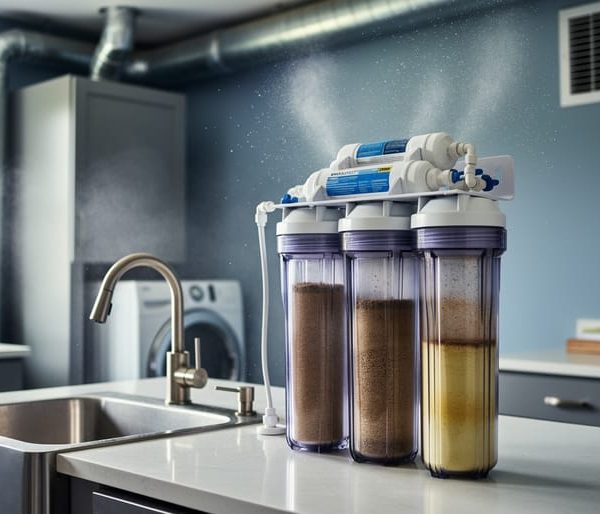
For those willing to invest in proper filtration systems, rainwater can serve nearly all household needs. Multi-stage filtration with UV purification makes collected rainwater suitable for bathing, dishwashing, and even drinking in some jurisdictions. This approach pairs well with greywater recycling for a comprehensive water management strategy.
The key to success is starting simple. Begin with outdoor uses and toilet flushing, then gradually expand as you become comfortable with the system. Many homeowners report that using rainwater becomes second nature within weeks, and the satisfaction of reducing municipal water consumption makes the initial setup effort worthwhile.
Better Water Quality Than You Think
Rainwater is surprisingly pure compared to what flows from your tap. Unlike municipal water that travels through miles of pipes and treatment facilities, rainwater falls directly from the sky, naturally soft and free from the heavy minerals found in groundwater sources.
The quality advantage starts with what’s not in rainwater. Municipal water often contains high levels of calcium, magnesium, and other minerals that create limescale buildup in your pipes, appliances, and water heater. This hard water reduces the lifespan of your dishwasher, washing machine, and other household equipment. Rainwater’s natural softness eliminates these problems entirely, potentially extending appliance life by several years and improving their efficiency.
Your skin and hair will notice the difference too. Hard water prevents soap from lathering properly and leaves residue on skin that can cause dryness and irritation. Soft rainwater allows soap to work more effectively, rinses cleaner, and leaves skin feeling naturally moisturized. Many homeowners report needing less shampoo, soap, and detergent when using collected rainwater.
For safety, rainwater requires only simple filtration to become suitable for most household uses. A basic first-flush diverter removes debris from the initial rainfall, while standard filters eliminate any remaining particles. For non-potable applications like laundry, gardening, and toilet flushing, this minimal treatment is entirely sufficient. Even for drinking water purposes, rainwater typically needs fewer treatment steps than municipal supplies since it starts cleaner and contains fewer contaminants.
The combination of natural purity and minimal mineral content makes rainwater an often-overlooked upgrade for household water quality.
What Most Homeowners Get Wrong About Starting
Many homeowners hesitate to start rainwater harvesting because they believe it requires massive storage tanks, complicated plumbing systems, or thousands of dollars upfront. The truth is far more encouraging. You can begin with something as simple as a single rain barrel connected to a downspout, costing less than $100. This modest setup can collect hundreds of gallons during rainy seasons, perfect for watering gardens or washing outdoor equipment.
Another widespread misconception is that rainwater systems demand constant maintenance. While any water system benefits from periodic attention, modern rainwater collection requires minimal upkeep. Most homeowners spend just 30 minutes quarterly cleaning debris screens and checking connections. The rainwater collection basics are straightforward and manageable for anyone comfortable with basic home maintenance.
Space concerns also prevent many people from starting. Reality check: you don’t need acres of property. Compact systems fit neatly against house foundations, and vertical storage solutions work perfectly for urban settings. Even apartment dwellers can collect rainwater using balcony containers, though collection volumes will naturally be smaller.
Legal worries create unnecessary barriers too. While regulations vary by location, most areas permit residential rainwater harvesting for non-potable uses like irrigation. Some regions even offer tax incentives or rebates for installing collection systems. Check your local regulations before investing significantly, but don’t let fear of red tape stop you from researching options.
The biggest mistake homeowners make is waiting for the “perfect” system rather than starting small and scaling up. Begin with basic collection methods, learn what works for your property, then expand gradually. This approach spreads costs over time, minimizes risk, and helps you understand your actual water needs before committing to larger infrastructure investments.
Rainwater harvesting offers homeowners a powerful combination of benefits that make it a smart investment for both your wallet and the planet. From reducing monthly water bills and providing backup water security during droughts to creating healthier gardens and reducing stormwater runoff, the advantages extend far beyond simple water savings. You’ll gain greater independence from municipal water systems while contributing to groundwater recharge and protecting local waterways from pollution.
The beauty of rainwater collection is its scalability. Whether you start with a simple rain barrel for watering plants or invest in a comprehensive whole-house system, every gallon collected represents progress toward water independence and sustainable living. The initial investment pays dividends through lower utility costs, improved water quality for specific uses, and the satisfaction of taking meaningful action for environmental conservation.
Now is the perfect time to take your first step. Assess your property’s rainfall patterns, calculate your potential collection capacity, and choose a system that matches your budget and goals. Join the growing community of homeowners who are transforming a free natural resource into practical everyday solutions. Your journey toward water independence and a more sustainable lifestyle starts with capturing that next rainfall.