**Rainwater harvesting is the practice of collecting and storing rain from rooftops, land surfaces, or other catchment areas for later use.** Instead of letting rainfall run off into storm drains and disappear, this sustainable water management technique captures nature’s free resource for household needs like irrigation, toilet flushing, and with proper treatment, even drinking water.
This ancient practice has gained remarkable momentum among modern homeowners facing rising water bills, drought restrictions, and environmental concerns. By installing a simple collection system—typically consisting of gutters, downspouts, and storage tanks—you can reduce municipal water dependence by 30-50% while preventing stormwater runoff that contributes to erosion and pollution.
Whether you’re motivated by lower utility costs, sustainable living goals, or securing water supply during shortages, rainwater harvesting offers a practical solution that pays dividends for both your wallet and the planet. The beauty lies in its scalability: systems range from basic rain barrels collecting 50 gallons to sophisticated underground cisterns storing thousands of gallons with filtration capabilities.
Understanding the fundamentals helps you determine whether this eco-friendly innovation fits your home, budget, and water needs—transforming every rainstorm from wasted runoff into valuable household resource.
What Is Rainwater Harvesting? The Simple Definition
Rainwater harvesting is simply the practice of collecting and storing rain that falls on your roof, driveway, or other surfaces instead of letting it run off into storm drains. Think of it as capturing free water from the sky and saving it for later use in your home, garden, or yard.
At its core, the process is remarkably straightforward: rain falls on your property, flows into gutters or specially designed collection surfaces, travels through pipes or channels, and gets stored in tanks, barrels, or underground cisterns. Once collected, you can use this water for watering plants, washing cars, flushing toilets, or even drinking if properly filtered and treated.
This age-old practice has been used for thousands of years across different cultures, but it’s experiencing a modern revival as homeowners seek sustainable solutions to reduce water bills, decrease reliance on municipal supplies, and minimize their environmental footprint. The beauty of rainwater harvesting lies in its scalability—you can start with something as simple as a single rain barrel under a downspout or invest in a sophisticated whole-house system with filtration and pumps.
For the average homeowner, rainwater harvesting represents an accessible entry point into eco-living. It transforms what was once wasted runoff into a valuable resource, helping you conserve water while taking a practical step toward sustainable household management.
How Rainwater Harvesting Actually Works
The Collection Surface (Usually Your Roof)
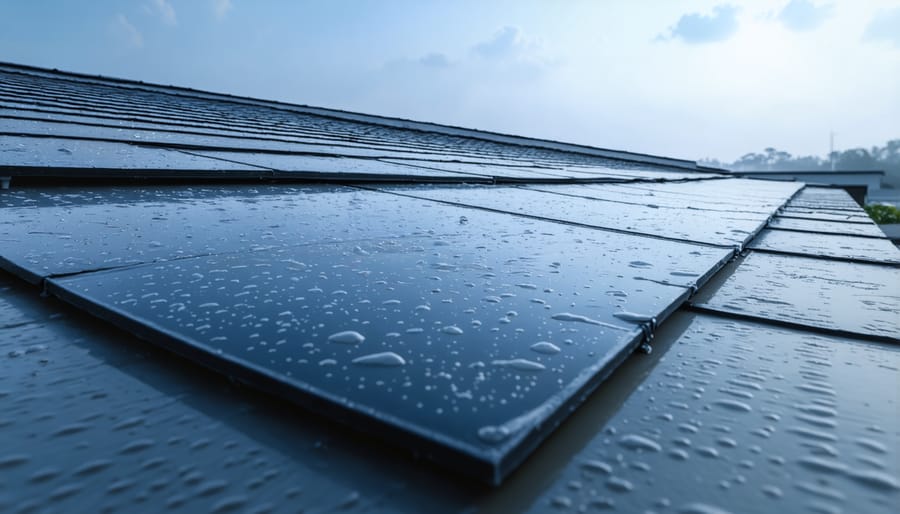
Your roof is the primary collection surface in most rainwater harvesting systems. When rain falls, your roof acts as a catchment area, channeling water through gutters and downspouts for storage. Roof water collection is ideal because it’s already an existing structure with built-in drainage.
The type of roofing material matters—metal, tile, and asphalt shingles all work well, though metal roofs are often preferred for their cleanliness. Other surfaces like patios, driveways, or specially designed ground catchment areas can also collect rainwater, though roofs remain the most practical and efficient choice for homeowners looking to harvest rainwater sustainably.
Gutters and Downspouts: Your Water Highway
Your home’s existing gutters already do most of the heavy lifting for rainwater harvesting. These channels attached to your roofline catch rain as it runs off, directing it into downspouts rather than letting it cascade randomly around your foundation. When you harvest rainwater, you’re simply intercepting this flow before it reaches the ground.
Gutter collection systems act as your water highway, funneling precipitation from potentially hundreds of square feet of roof surface into a single collection point. By adding a diverter or redirecting your downspout, you can channel this water into barrels, tanks, or underground cisterns. It’s a straightforward retrofit that transforms rainwater from runoff into a valuable resource for irrigation, outdoor cleaning, or even indoor use with proper treatment.
Storage Tanks: Where Your Free Water Lives
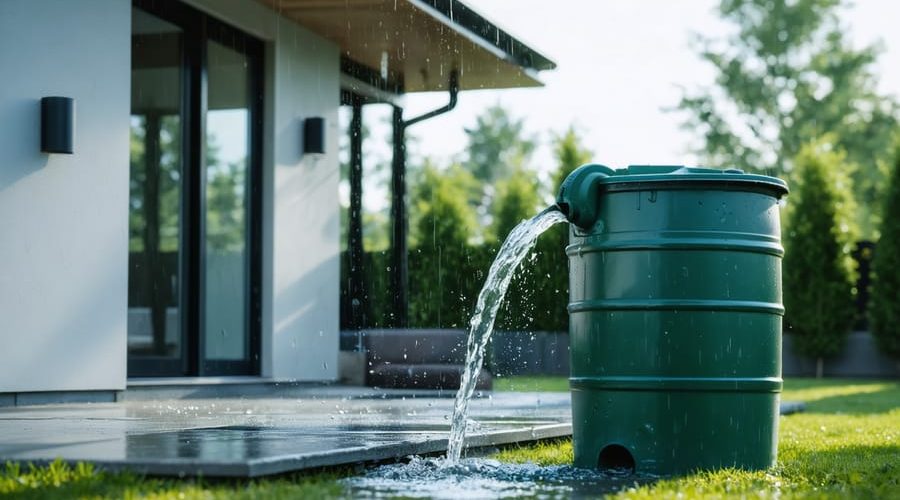
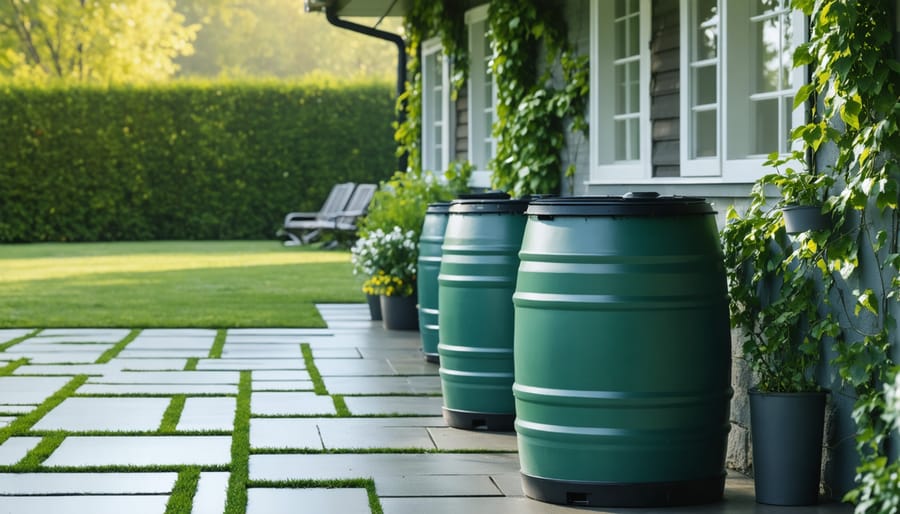
Your collected rainwater needs somewhere to go, and that’s where storage tanks come in. The most basic option is a rain barrel—typically a 50-gallon container that connects directly to your downspout. These compact units work perfectly for small gardens and are budget-friendly for beginners.
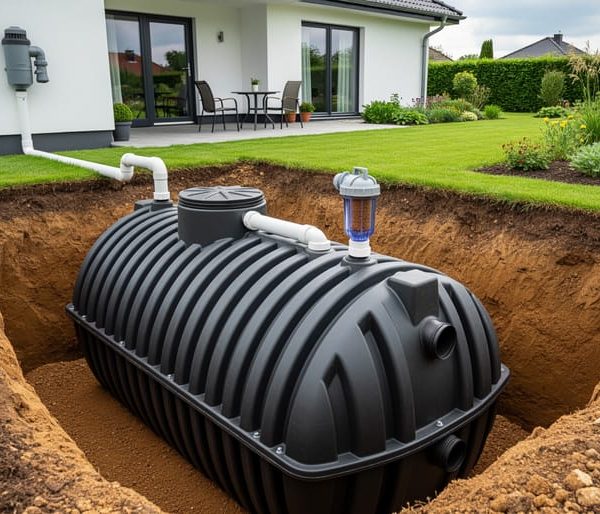
For households wanting more capacity, larger cisterns range from 200 to several thousand gallons. These can be installed above ground or buried underground to save space and protect water from freezing. Above-ground tanks are easier to install and maintain, while underground cisterns stay out of sight and keep water cooler naturally.
Modern storage solutions use food-grade materials that keep your water clean and safe. Many include overflow mechanisms, screens to keep out debris, and spigots for easy access. The size you choose depends on your roof area, local rainfall, and how you plan to use the water.
Why Homeowners Are Turning to Rainwater Harvesting
Slash Your Water Bills
Rainwater harvesting can significantly reduce your municipal water bills by replacing treated tap water for outdoor uses. A typical household uses 30-50% of its water supply for lawn irrigation, garden watering, and landscape maintenance—activities that don’t require expensive, purified drinking water. By capturing rainfall from your roof, you can redirect these costs while maintaining a lush yard. For example, a 1,000 square foot roof collects approximately 600 gallons of water from just one inch of rain. Homeowners using harvested rainwater for car washing, filling pools, and watering vegetable gardens often see monthly water bills drop by 40% or more during growing seasons, creating meaningful savings year after year.
Your Environmental Impact Actually Matters
Choosing rainwater harvesting creates a meaningful positive impact on your local environment and the planet. Every gallon of rainwater you collect reduces stormwater runoff—a major contributor to urban flooding and water pollution. When rain flows over rooftops, driveways, and streets, it picks up contaminants like oil, pesticides, and debris before dumping them into streams and rivers. By capturing this water, you’re keeping pollutants out of natural waterways.
You’re also conserving precious treated water resources. Municipal water undergoes energy-intensive treatment processes before reaching your tap. Using harvested rainwater for gardening, car washing, or toilet flushing significantly reduces demand on these systems. Combined with other sustainable practices like greywater recycling, you can dramatically shrink your household’s water footprint.
Even small-scale systems make a difference. A typical roof can collect thousands of gallons annually—water that would otherwise overwhelm storm drains or require energy to treat and deliver. Your individual choice multiplies across communities, reducing infrastructure strain while protecting ecosystems that depend on clean water sources.
Backup Water Security
One of rainwater harvesting’s most valuable benefits is the reliable backup water supply it creates when you need it most. During drought conditions or municipal water restrictions, having stored rainwater means you won’t have to watch your garden wither or stress about basic household water needs. Many regions now experience seasonal water shortages, and having a rainwater system provides genuine peace of mind and independence from these disruptions.
Your collected rainwater keeps flowing even when outdoor watering bans are in effect, allowing you to maintain your landscape and continue essential outdoor tasks. For households in rural areas or regions with unreliable municipal supplies, rainwater systems offer crucial water security. This self-sufficiency becomes especially important during emergencies when main water lines fail or natural disasters disrupt regular water service, ensuring your family maintains access to water for essential needs.
What You Can Use Harvested Rainwater For
Outdoor Uses (No Treatment Needed)
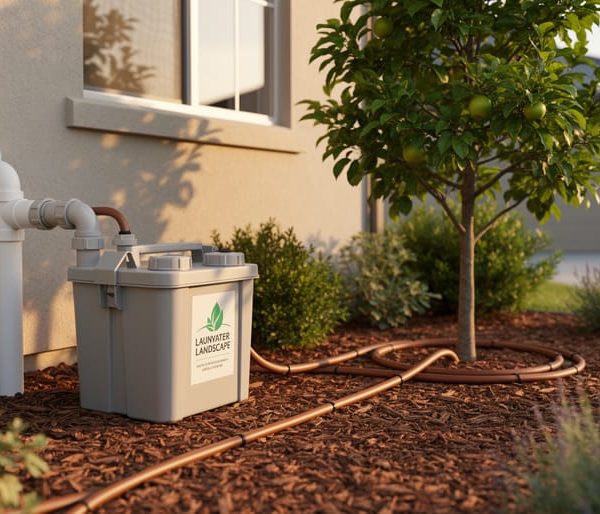
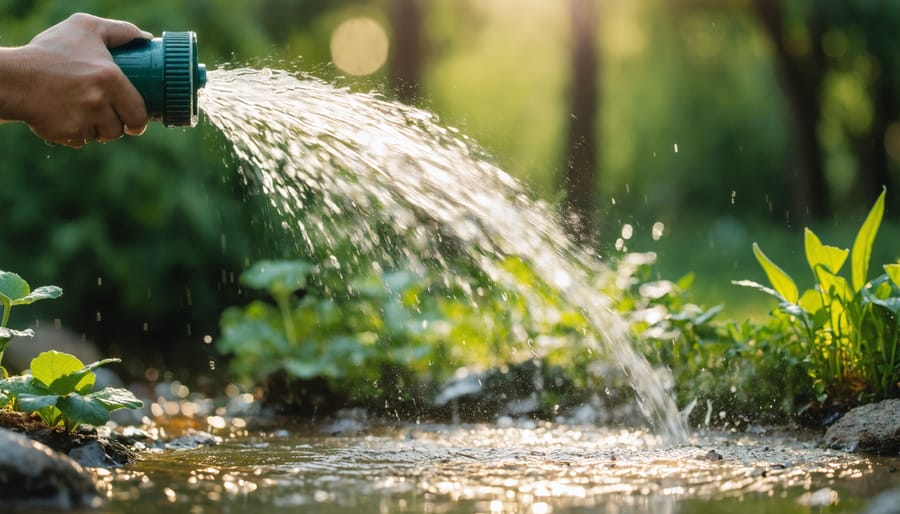
The beauty of rainwater harvesting is that most outdoor applications require zero treatment—you can use the water straight from your collection barrel. Watering your garden, flower beds, and lawn are perfect uses since plants actually prefer rainwater over chlorinated tap water. It’s naturally soft and free of added chemicals, making it ideal for keeping your yard lush and healthy.
Beyond gardening, untreated rainwater works wonderfully for washing cars, driveways, and outdoor furniture. You can also use it to fill decorative ponds, bird baths, and swimming pools, significantly reducing your municipal water consumption. These simple applications let you experience immediate water savings without investing in filtration systems, making rainwater harvesting an accessible entry point for eco-conscious homeowners looking to reduce their environmental footprint while cutting utility costs.
Indoor Non-Potable Uses
Collected rainwater works wonderfully for indoor non-drinking purposes, helping you reduce your household water consumption significantly. The most common use is toilet flushing, which accounts for nearly 30% of home water use—no treatment needed since toilets don’t require potable water. You can also use harvested rainwater for laundry with basic filtration through simple mesh screens or cloth filters to remove debris and sediment. This straightforward filtering removes leaves, dirt, and particles, making the water safe for washing clothes. These indoor applications let you conserve treated municipal water for drinking and cooking while lowering your utility bills sustainably.
Drinking Water (With Proper Treatment)
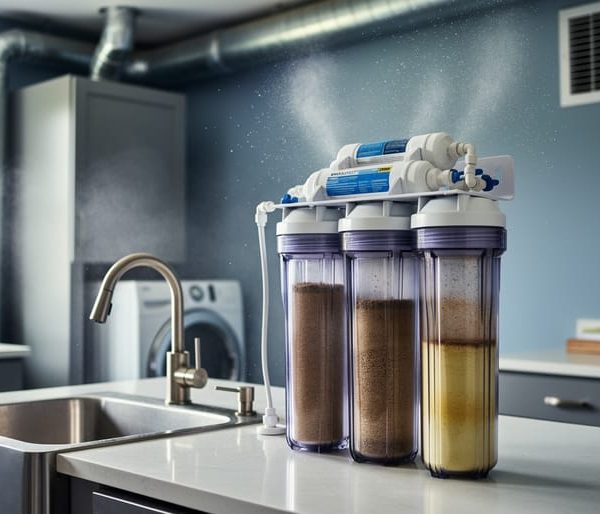
Collected rainwater isn’t automatically safe to drink straight from your storage tank, but it absolutely can become drinking water with the right treatment approach. Modern filtration systems—including sediment filters, activated carbon filters, and UV purification—effectively remove contaminants, debris, and pathogens. Many homeowners successfully incorporate rainwater into their household drinking supply by installing multi-stage treatment systems designed specifically for harvested water. With proper filtration technology and regular maintenance, rainwater can meet or exceed typical drinking water standards, making it a viable sustainable option for your home.
Getting Started: Easier Than You Think
The beauty of rainwater harvesting is that you don’t need a degree in engineering or a massive budget to get started. For most homeowners, the journey begins with something as simple as a rain barrel—a container placed under your downspout to catch roof runoff during storms.
A basic 50-gallon rain barrel setup costs between $50-$150 and can be installed in an afternoon without professional help. You’ll capture enough water to keep your garden thriving through dry spells, reducing your reliance on municipal water for outdoor use. Position your barrel on a stable platform, attach it to your gutter system, and you’re already harvesting rainwater.
As you become comfortable with this system, you can expand gradually. Consider connecting multiple barrels for increased storage capacity, or explore first-flush diverters—simple devices that redirect the initial dirty runoff before filling your clean storage tanks. These upgrades remain affordable and manageable for the average homeowner.
For those interested in larger-scale systems that supply indoor water needs, professional consultation becomes valuable. You’ll need to consider filtration methods, storage capacity based on your roof size and local rainfall patterns, and potential plumbing modifications. However, even these advanced systems are increasingly accessible, with modular designs that can be implemented in phases as your budget allows.
The key is simply to start somewhere. Every gallon you harvest is a step toward water independence and environmental stewardship.
Rainwater harvesting is simply collecting and storing rain for later use—a straightforward practice that connects you directly to one of nature’s most valuable resources. The beauty lies in its accessibility; you don’t need elaborate systems or significant investment to begin. Starting small with a single rain barrel can introduce you to the benefits while building confidence for future expansion.
Beyond reducing your water bills, rainwater harvesting represents a meaningful step toward environmental stewardship. Each gallon you collect eases demand on municipal water supplies and reduces stormwater runoff that can harm local ecosystems. When combined with other water conservation strategies, you’re creating a comprehensive approach to sustainable living that extends far beyond your property line.
The path to water independence begins with a single decision. Whether you’re watering your garden, washing your car, or simply reducing your household’s environmental footprint, rainwater harvesting empowers you to take control. Start today—your garden, your wallet, and the planet will thank you for it.